
Germany Reconsiders Coal Power Amid Rising Natural Gas Costs
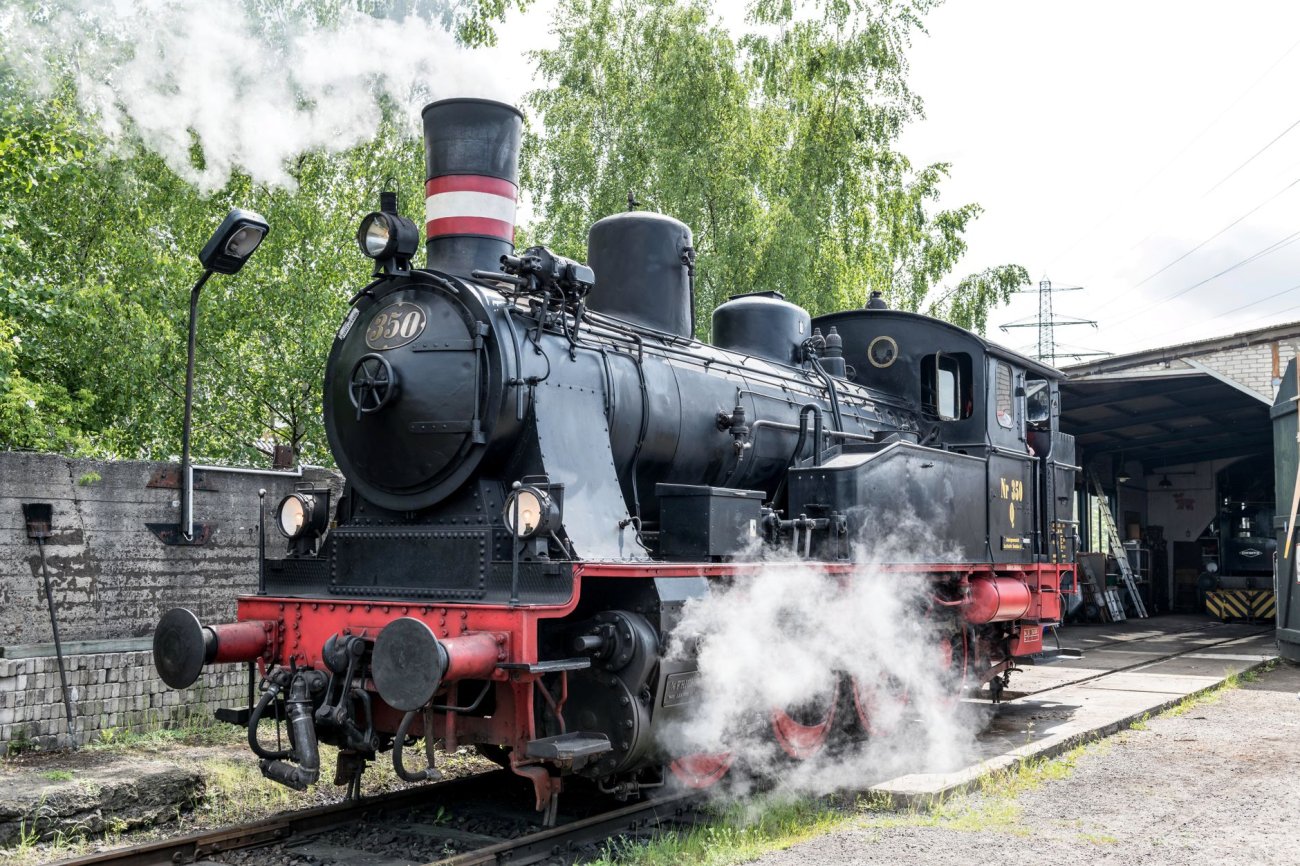
Germany is re-evaluating its stance on coal power as soaring natural gas prices put pressure on its energy strategy. The nation, which had set ambitious goals to phase out coal by 2038 as part of its Energiewende, finds itself at a crossroads due to economic constraints exacerbated by geopolitical tensions impacting gas supplies from Russia. Germany's Federal Minister for Economic Affairs and Climate Action, Robert Habeck, has acknowledged the situation's complexity, stating, "While our commitment to renewable energy remains steadfast, we must consider all options to ensure energy security and economic stability."
The surge in natural gas prices, influenced by ongoing conflicts and trade disruptions, has prompted Germany to consider extending the lifespan of its coal-fired power plants. The Federal Statistical Office of Germany reported a 15% increase in household energy costs over the past year, with natural gas prices being a significant contributor. This has led to growing concerns about energy affordability for both consumers and industries, sparking debates within the government and among environmental groups.
Globally, Germany's potential shift could have significant implications. As the largest economy in Europe, its energy policies often set a precedent for the region. A return to coal could impact the European Union's collective climate goals, which aim to cut greenhouse gas emissions by 55% by 2030 compared to 1990 levels. Frans Timmermans, Executive Vice President of the European Commission, has emphasized the need for a balanced approach, remarking, "Our path to a sustainable future must consider immediate energy needs without compromising our long-term climate commitments."
The potential policy reversal has also raised questions about its implications for Africa and other developing regions. Coal remains a critical but controversial energy source in many developing countries, where access to renewable technology and infrastructure is limited. If an industrial leader like Germany revisits coal, it may influence similar reconsiderations in these regions. However, experts caution against such a move, emphasizing the importance of investing in sustainable solutions. The International Energy Agency (IEA) has highlighted that coal's environmental cost can outweigh short-term economic benefits, urging countries to "prioritize innovative and clean energy technologies."
As Germany navigates this energy dilemma, the international community will closely watch its decisions in the coming months. The outcomes could reshape discussions at upcoming climate forums and influence the trajectory of global energy policies. In the meantime, stakeholders from various sectors continue to advocate for a diversified and sustainable energy strategy that aligns with both environmental goals and economic realities.





Comments
No comments yet — be the first.