
Currency Devaluation and Visa Restrictions Alter Indian Students’ Overseas Education Plans
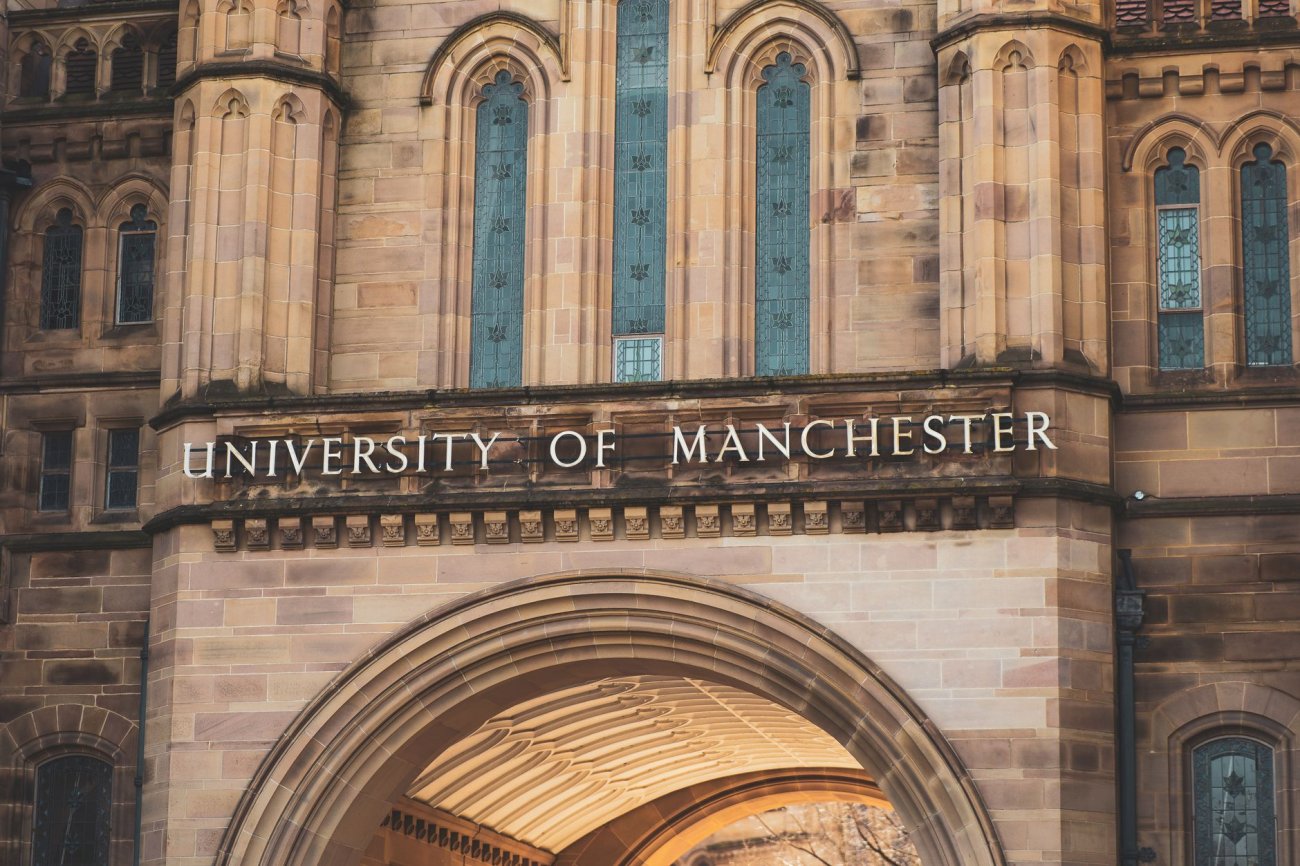
The recent currency depreciation and stringent visa regulations have posed significant challenges for Indian students aspiring to pursue education abroad, primarily in the United States and the United Kingdom. The Indian rupee has faced considerable devaluation, plummeting to a record low against the US dollar and the British pound, causing financial strain on students and their families. According to data from the Reserve Bank of India, the rupee's value has fallen by over 10% in the last six months, exacerbating the financial burden of overseas education.
In tandem with economic pressures, changes in immigration policies in the US and UK are dissuading many students from considering these traditionally popular destinations. The US Department of Homeland Security has implemented more rigorous visa requirements and extended processing times, complicating the application process for prospective students. Additionally, the UK Home Office has introduced tighter regulations on student visas, potentially reducing the influx of international students.
Nirmala Sitharaman, the Indian Finance Minister, highlighted the impact of these developments, stating, “The currency devaluation is a direct consequence of the global economic turmoil, and we are working towards stabilizing the economy. However, students should explore diverse educational opportunities across various countries.” Her statement underscores a need for Indian students to diversify their study abroad options beyond the traditional English-speaking countries.
The financial strain and visa complications are prompting students to explore alternative destinations with more favorable conditions. Countries like Germany, Canada, and Australia have become attractive options due to their relatively stable currency exchange rates and more welcoming immigration policies. Mark Carney, the Prime Minister of Canada, noted, “Canada remains open and welcoming to international students. We value the diversity and cultural exchange they bring to our academic institutions.”
The ripple effects of these challenges extend beyond India, affecting global educational trends. African and other developing nations, which often look to India as a benchmark for educational mobility, might grapple with similar issues as they navigate economic and immigration hurdles. However, the diversification of study destinations could foster new academic partnerships and collaborations across different regions.
As the international education landscape evolves, educational consultants and institutions worldwide are witnessing a shift in student preferences. Universities in Europe and Asia are ramping up efforts to attract international students by offering scholarships, reducing tuition fees, and ensuring a supportive learning environment. This shift is evident in the rising number of applications to universities in countries like Singapore and New Zealand.
The ongoing changes necessitate a strategic approach for students planning to study abroad. Financial planning, awareness of changing visa policies, and a willingness to explore emerging educational hubs will be crucial in navigating this complex landscape. As the global situation unfolds, stakeholders in the education sector will need to adapt to maintain the flow of international students, which is vital for cultural exchange and economic contributions to host nations.





Comments
No comments yet — be the first.