
US-Iran Deal Reshapes Global Economic Landscape, Raises Concerns
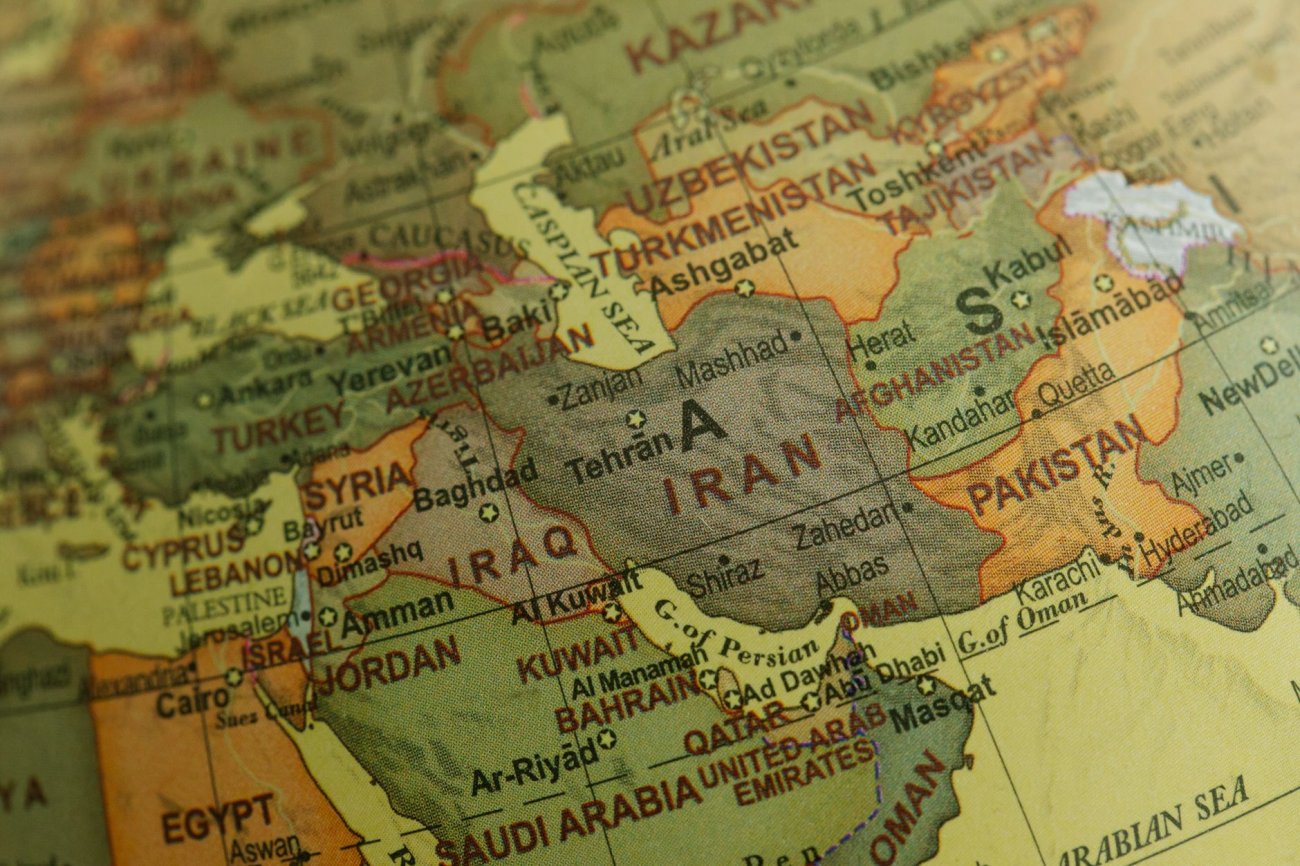
The recent accord between the United States and Iran has sparked significant shifts in international economic dynamics, with both countries claiming strategic victories while facing challenges in maintaining the agreement's integrity. Announced on June 15, 2026, the deal primarily focuses on easing longstanding U.S. sanctions in exchange for Iran's commitments to restrict certain nuclear activities and enhance regional stability. This development carries far-reaching implications for global markets, particularly in the energy sector, as well as geopolitical stability in the Middle East.
U.S. Secretary of State Marco Rubio emphasized the deal's potential to foster regional peace and reintegrate Iran into the global economy. "This agreement opens a pathway for Iran to become a responsible player on the world stage, while ensuring that their nuclear ambitions remain in check," Rubio stated. His optimism was matched by Iran's President Ebrahim Raisi, who hailed the deal as a vindication of Iran's sovereignty and economic prospects.
Central to the agreement is the U.S. decision to lift several economic sanctions that have crippled Iran's oil exports, allowing the nation to boost its output to an expected 3.8 million barrels per day by the end of 2026. This increase is poised to influence global oil prices significantly, with potential downward pressure as additional Iranian crude enters the market. According to the International Energy Agency, Iranian oil production could increase by nearly 1 million barrels daily, potentially easing global supply constraints.
The deal stipulates that Iran will adhere to renewed inspections by the International Atomic Energy Agency (IAEA) and implement measures to restrict its uranium enrichment activities. This aspect is designed to allay international fears over Iran's nuclear intentions, yet skepticism remains among key regional players, including Israel and Saudi Arabia, who continue to express reservations about enforcement and compliance.
Economic repercussions of the deal extend beyond energy markets, with potential benefits and challenges for developing nations. The easing of sanctions is expected to stimulate Iran's economy, potentially opening new opportunities for trade partnerships with countries in Africa and Asia keen to capitalize on Iranian markets. However, the increased competition in the oil market could negatively impact economies heavily reliant on oil exports, including several African nations.
Critics of the deal argue that it may embolden Iran's regional behavior, citing concerns over its support for proxy groups in conflict zones. U.S. officials have countered this by underscoring mechanisms within the agreement aimed at monitoring and curbing such activities. "This deal is not just about nukes; it's about creating a framework for accountability and cooperation," emphasized an official from the State Department.
As the deal progresses, attention will be focused on its implementation and the geopolitical balance in the region. Observers will closely monitor Iran's adherence to its commitments and the international community's response to any deviations. The agreement's success or failure could have profound implications for U.S. foreign policy in the Middle East and the broader international order.





Comments
No comments yet — be the first.