
Germany Seeks Foreign Workers for More Than 1,300 Transport and Logistics Jobs
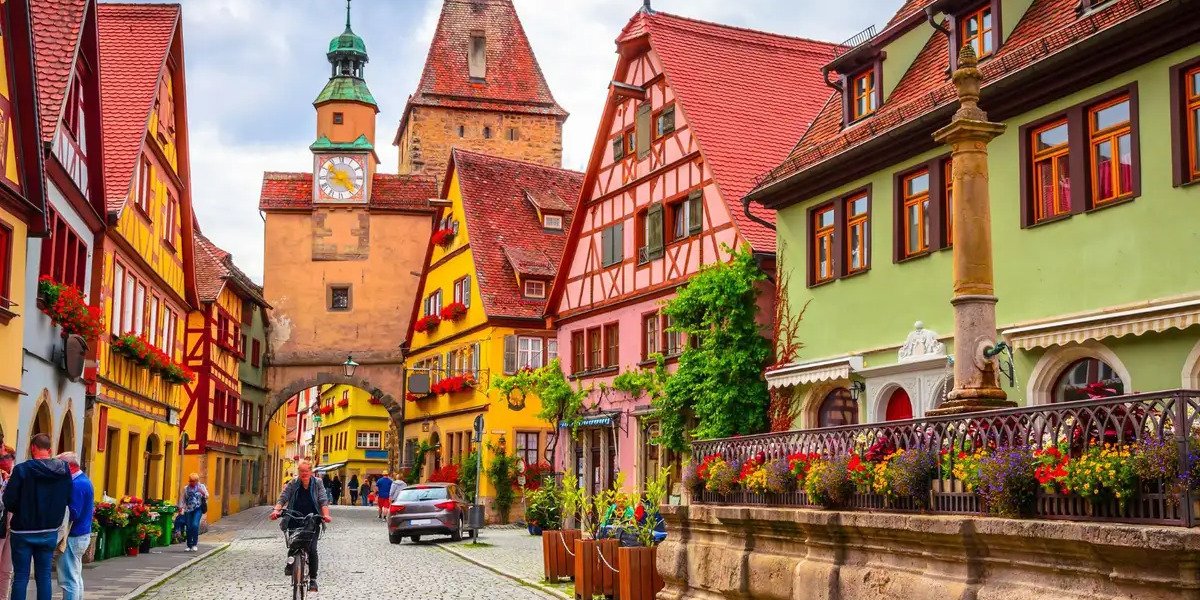
Germany is advertising more than 1,300 jobs in transport and logistics as it seeks to address a growing shortage of professional drivers and other skilled workers.
The vacancies are listed on the official Make it in Germany employment portal and include 1,294 positions for drivers and operators of vehicles and transport equipment, as well as 13 roles in traffic and logistics that do not involve direct driving. The jobs cover several areas of the transport industry, including heavy goods vehicle driving, train operations, bus and tram services, inland shipping, port logistics and ship mechanics.
The range of vacancies reflects the demand for skilled workers across Germany’s road, rail and maritime transport networks. Germany’s shortage of professional drivers has become an increasing concern for policymakers and industry leaders. The deficit exceeded 70,000 drivers in 2023 and is expected to grow as older workers retire while freight volumes remain high.
Heavy goods vehicles transport most domestic freight, while rail, inland waterways and maritime shipping also depend on skilled workers. Germany’s central location in Europe and extensive transport infrastructure make logistics an important part of its economy. However, labour shortages are placing increasing pressure on the sector.
Foreign workers already play a significant role in Germany’s transport industry. Almost 40 percent of professional drivers in the country are foreign nationals, highlighting the sector’s reliance on international recruitment.
Eligibility requirements depend on an applicant’s nationality and qualifications. People from EU and EEA countries who hold the relevant driving licence and professional certification can generally apply directly.
Applicants from outside the EU can also enter Germany through a legal pathway that allows them to obtain the required driving licence and professional qualifications after arrival. Citizens of EU member states, Liechtenstein, Iceland, Norway and Switzerland do not need visas or residence permits to work in Germany.
Nationals of other countries generally need a residence permit and, in most cases, formal recognition of their vocational qualifications. Germany has also introduced the Opportunity Card, which allows qualified jobseekers to stay in the country for up to one year while looking for employment.
The Make it in Germany portal provides a quick-check tool that allows prospective applicants to assess whether they meet the requirements before applying. The recruitment drive comes as migrant workers continue to share experiences of building lives in Germany through employment.
Kenyan woman Charity Watetu, who lives in Germany, recently described how taking a hotel cleaning job helped her meet immigration requirements and reunite with her sons. Watetu said the work was initially difficult and poorly paid, but she continued and eventually became one of the hotel’s most valued cleaners. Her income and determination enabled her children to join her in Germany.
She encouraged other migrants to accept available work and remain focused on their long-term goals. “No money comes with a label explaining how it was earned,” she said.





Comments
No comments yet — be the first.