
US Implements Stricter Public Charge Test for Green Card Applicants
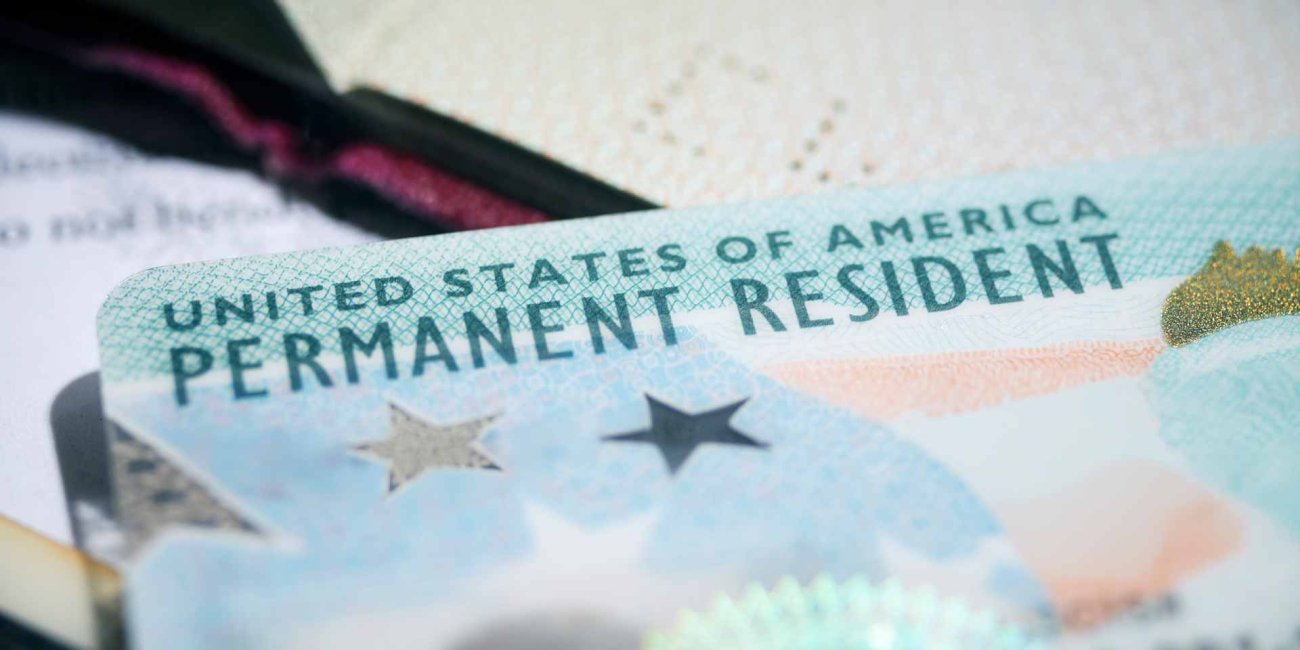
The United States Citizenship and Immigration Services (USCIS) has announced an update to the public charge assessment for green card applicants, set to take effect on September 18, 2026. This new policy reflects a tighter scrutiny of applicants based on their potential dependency on government assistance, a move that could impact many prospective immigrants seeking to adjust their status to lawful permanent residence in the United States.
The updated guidance, released by the USCIS, outlines how officers will evaluate whether an immigrant is likely to become a public charge, which is defined as someone primarily dependent on government support. This evaluation will be based on five statutory factors: the applicant's age, health, family status, assets, resources and financial status, as well as their education and skills.
According to the USCIS, officers will examine all relevant evidence in an applicant's record, making decisions on a case-by-case basis by considering the totality of the applicant's circumstances. This comprehensive approach will enable officers to assess each application individually, taking into account various aspects of an applicant's life that might influence their ability to sustain themselves independently in the United States.
Moreover, the guidance specifies that officers may consider other relevant factors, including any receipt of means-tested public benefits. For benefits received before September 18, 2026, the focus will be on public cash assistance for income maintenance and long-term institutionalization at government expense. However, for benefits received on or after this date, the scope will expand to include a broader range of means-tested benefits.
This policy update marks a continuation of efforts to refine immigration assessments under the public charge rule, a concept that has been subject to various interpretations over the years. The previous administration had also made changes to the public charge rule, which were subsequently revised under the Biden administration. The current administration's approach appears to align with a more stringent evaluation process.
The public charge rule has historically been a contentious aspect of U.S. immigration policy, affecting immigrants' access to permanent residency based on their perceived economic self-sufficiency. Critics argue that such measures could disproportionately affect lower-income immigrants and those from developing countries. On the other hand, proponents assert that the rule ensures that immigrants are financially independent and do not become burdens on U.S. taxpayers.
USCIS's decision to implement the stricter public charge assessment reflects broader immigration policy priorities under the current U.S. administration. As these changes are set to take effect, potential green card applicants are advised to familiarize themselves with the new requirements and prepare accordingly to address any potential concerns related to their eligibility under the updated rule.
Immigration attorneys and advocacy groups are likely to closely monitor the impact of these changes, as they may influence the strategies employed by individuals seeking to navigate the U.S. immigration system successfully. With the effective date approaching, stakeholders within the immigration community are expected to provide guidance and support to ensure applicants are well-informed and adequately prepared for the new assessment criteria.
The USCIS has encouraged applicants and their representatives to review the detailed guidance available on its website and to seek legal advice as needed to ensure compliance with the revised requirements. As the immigration landscape continues to evolve, staying informed and proactive will be key for those aspiring to secure permanent residency in the United States.



Comments
No comments yet — be the first.