

Why Kenyans Believe Flies Mean Their Meat Is Fresh and Safe
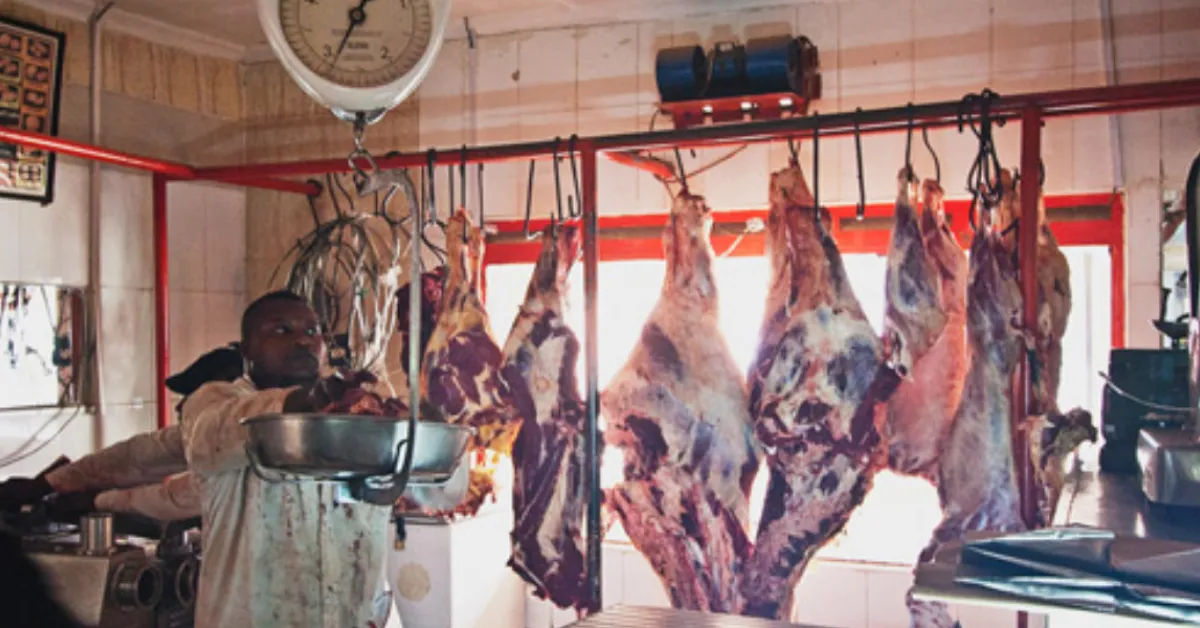
Flies gathering around meat are often seen by some Kenyan consumers as a sign that the meat is fresh and free from chemical preservatives, rather than as a hygiene concern.
The belief is particularly common around neighbourhood butcheries, where customers often rely on the appearance and smell of meat, as well as their relationship with the butcher, when deciding what to buy. Reliable information about how animals were raised, treated and slaughtered is often unavailable.
Butcher Peter Kamau says traders can usually identify different cuts of meat and, in some cases, trace carcasses to the slaughterhouse. However, they rarely know details such as the animal's diet, veterinary history or exact slaughter date. Independent verification beyond the farm remains limited.
Kenya has a formal meat grading system under the Kenya Meat Commission Act. Meat is classified into categories such as “choice” and “standard”, based on factors including the animal's age, fat cover and dentition.
The Kenya Bureau of Standards has also established specifications for beef, pork and poultry. However, these systems largely cover meat processed through licensed abattoirs and sold through supermarkets. Oversight is less consistent in neighbourhood butcheries and open-air markets.
Authorities have reported cases of diseased animals entering the food chain, collusion between inspectors and traders, and unlabelled meat imports passing through regulatory controls. Premium meat products marketed as grass-fed, organic or dry-aged have also become more common, particularly among wealthier consumers.
Some producers follow the practices associated with these claims, but Kenya does not have a single certification system that independently verifies them. As a result, some labels depend largely on claims made by suppliers.
The formal inspection process is more stringent. Veterinary officers conduct checks before slaughter to identify signs of disease. After slaughter, they examine carcasses for lesions, parasites and other abnormalities.
Carcasses that pass inspection receive an official stamp, with each veterinary inspector responsible for their individual stamp. Meat that fails inspection is condemned and removed from the food chain.
The inspection stamp remains one of the clearest forms of assurance available to consumers. However, many customers do not know how to identify or interpret the mark, while its visibility can vary between outlets.
The Food and Feed Safety Control Co-ordination Act, enacted in July 2026, introduces tighter requirements for auditing traceability systems. It remains unclear how extensively the new measures will be applied to small neighbourhood butcheries and informal markets.
Research in Nairobi and Machakos has documented the belief that flies indicate safe meat. The belief is linked partly to public concerns that followed a 2017 exposé about the use of chemical preservatives on meat.
Studies have also found that some consumers associate freshness with safety, distrust refrigerated meat and place greater confidence in familiar vendors than in formal hygiene measures. A separate survey of butcheries in Nairobi's peri-urban estates found that many traders understood the importance of meat inspection but lacked formal training, health certificates and knowledge of international food safety guidelines.
Microbiological testing found high levels of bacterial contamination. Researchers linked the contamination to poor infrastructure and hygiene practices, including a lack of running water and the use of shared cloth towels.


















Add new comment