
Trump Administration Moves to End Work Permits for H-1B Spouses, Impacting Diaspora
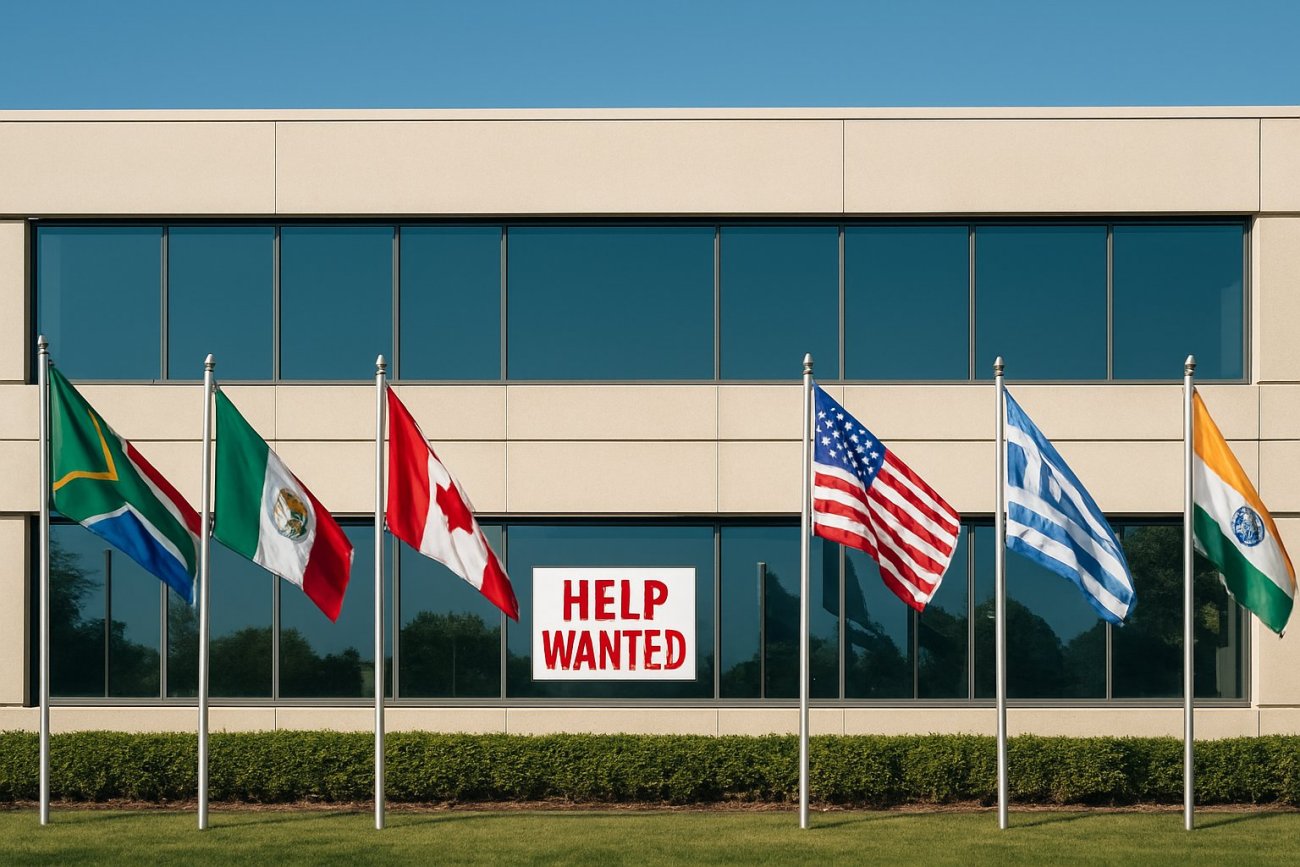
The Trump administration has announced a new proposal that could revoke work permits for spouses of H-1B visa holders, a move that has raised concerns among the Kenyan and African diaspora in the United States. This policy shift, expected to impact thousands of families dependent on dual incomes, was disclosed in a report by Bloomberg Law News on August 30, 2026.
The potential revocation of work permits, known as H-4 Employment Authorization Documents (EAD), would directly affect spouses of H-1B visa holders who are working professionals in specialized fields such as technology, engineering, and healthcare. According to the U.S. Citizenship and Immigration Services (USCIS), there are over 90,000 H-4 visa holders currently employed in the U.S., a significant portion of whom hail from African nations, including Kenya.
U.S. Attorney General Todd Blanche, who has been acting in his role since April 2026, stated, "The administration is committed to prioritizing American workers and ensuring that immigration policies are aligned with this goal." This remark highlights the administration's broader immigration policy approach focused on reducing foreign labor competition.
Critics of the proposal argue that it undermines the economic contributions of immigrant families. Kenya's Ambassador to the United States, Lazarus Amayo, expressed concern over the impact on Kenyan professionals and their families. "This policy change could have significant repercussions on our diaspora community, who play a vital role in fostering bilateral relations and economic ties," Ambassador Amayo noted in a recent press release.
In 2015, the Obama administration introduced the H-4 EAD program, enabling spouses of certain H-1B visa holders awaiting green card processing to work legally in the U.S. This policy was seen as a way to alleviate financial burdens on immigrant families and facilitate their integration into American society. The Trump administration's proposal to rescind this program has reignited debates over the balance between protecting domestic jobs and supporting immigrant families.
Kenya Diaspora Alliance (KDA) Chairman, Dr. Shem Ochuodho, emphasized the potential negative impact on the community's economic stability. "Many Kenyan families rely on dual incomes to support themselves while contributing significantly to both the U.S. and Kenyan economies through remittances," Dr. Ochuodho stated. Recent data shows that remittances from the Kenyan diaspora amounted to over $3.7 billion in 2025, highlighting their crucial role in the country's economy.
The proposed change is expected to undergo a public comment period before any final decision is made. During this time, affected parties and advocacy groups are likely to express their opposition and concerns. The impending decision comes amid a broader context of immigration policy shifts under the Trump administration, which has also proposed significant fee increases for H-1B visas and changes to other visa programs.
This latest development has sparked widespread discussion among immigration experts and policymakers. As the situation unfolds, the Kenyan and African diaspora in the United States will be closely monitoring the administration's next steps, while preparing to navigate potential challenges arising from this policy change.



Comments
No comments yet — be the first.