
US Court Blocks Trump Administration From Deporting Students Over Political Views
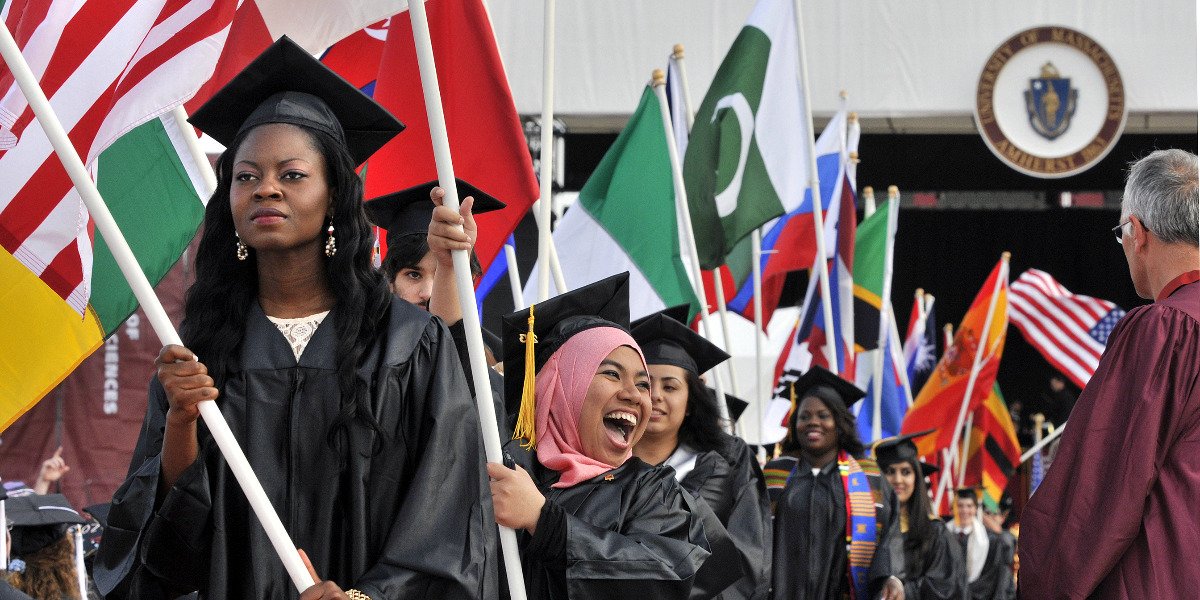
A federal court in California has ruled that international students cannot be deported for their political views, dealing a setback to the Trump administration’s efforts to use immigration law against political speech.
Judge Noel Wise ruled that provisions of the Immigration and Nationality Act relied upon by the administration to revoke visas and begin deportation proceedings were unconstitutional when applied to political expression. The case was brought by The Stanford Daily, which argued that students had been targeted because of their criticism of Israel and participation in pro-Palestinian activism.
Wise, a Biden appointee, said the government could not punish people based on the content of their speech. She wrote that freedom of speech, including the right to criticise governments and political leaders, is protected by the Constitution. She also warned that using immigration enforcement to punish political expression could lead people to censor themselves.
The California ruling follows a similar decision earlier this year in Boston. Judge William Young, a Republican appointee, also rejected efforts to penalise foreign students because of their political activism. The two decisions indicate growing judicial opposition to the administration's use of immigration law in cases involving political dissent.
The cases received national attention after students at Columbia University and Tufts University were arrested. The arrests raised questions over whether political expression by international students was being treated as a basis for immigration enforcement.
The legal disputes come as the administration introduces major changes to the US student visa system. In July, the Department of Homeland Security finalised rules ending the long-standing duration-of-status system. Under the previous system, students could remain in the United States for as long as they maintained their academic status.
Starting on 15 September, F-1 and J-1 visa holders will instead be subject to fixed four-year periods of admission. The new rules also provide shorter grace periods after graduation and impose stricter requirements for students seeking extensions.
Universities and business groups have warned that the changes could make the United States less attractive to international students and affect the country's research capacity.
The administration's wider immigration measures have already affected thousands of students. By January, officials had reported the cancellation of 8,000 student visas, while applicants from China and Hong Kong faced increased scrutiny. Mass terminations of Student and Exchange Visitor Information System (SEVIS) records, restrictions affecting H-1B visas and Optional Practical Training, and other high-profile visa cancellations have added to the uncertainty.
Analysts estimate that the measures could cost US universities nearly $7 billion, while international student enrolment is projected to decline by more than 100,000 this autumn. The resulting reduction in spending could affect local economies by billions of dollars and put tens of thousands of jobs at risk.
The California and Massachusetts rulings establish that political speech cannot be restricted through immigration enforcement where constitutional protections apply. However, international students continue to face uncertainty as visa rules change and the administration maintains stricter immigration policies.
Comments
No comments yet — be the first.