
Haitians Struggle as U.S. Deportations Leave Them Stranded
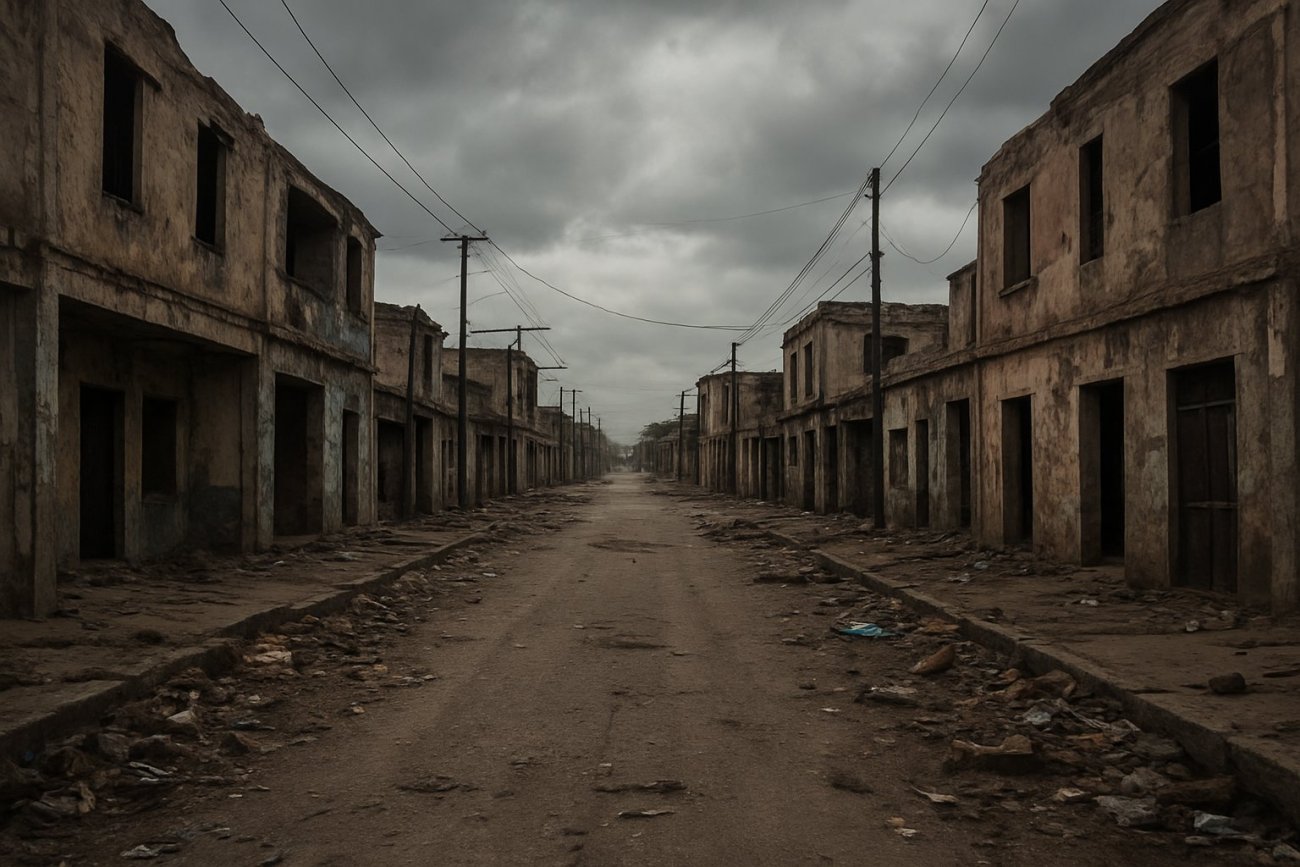
Recent developments in immigration enforcement have seen hundreds of Haitians deported from the United States, a move that has left many individuals in dire circumstances upon their return to Haiti. These deportees, arriving in a nation beleaguered by political instability and pervasive gang violence, are often left without financial resources, protection, or shelter, compounding their already precarious situation.
The influx of deported individuals into Haiti has underscored the challenges faced by countries in the Caribbean and other developing nations when dealing with the repercussions of stringent immigration policies from wealthier states. Many of those deported describe being sent back with nothing in hand, exacerbating their vulnerability in a country where security is uncertain and economic opportunities are scarce.
This situation comes amid heightened tensions between the United States and Haiti, with the latter struggling to manage the returnees in the absence of adequate support systems. The deportations have sparked criticism from human rights organizations, which argue that the U.S. is failing to consider the humanitarian implications of its deportation practices.
In recent weeks, the Haitian government has been pressed to respond to the urgent needs of those who have been forcibly returned. However, with limited resources, the effectiveness of any immediate intervention remains in question. This has led to a call for increased international aid and cooperation to address the root causes of this migration, alongside efforts to stabilize the nation internally.
For the deported individuals, the return to Haiti often marks the beginning of a new struggle for survival. Many are left to navigate life in a country where the threat from gangs is a daily reality, and the lack of economic stability offers few, if any, pathways to rebuilding their lives. As the world watches, the plight of these individuals highlights broader issues within global immigration policies and the pressing need for comprehensive solutions that address both security and humanitarian considerations.





Comments
No comments yet — be the first.