
US Green Card Lottery: 53,939 Africans Could Miss Out Amid Visa Suspension

More than 53,000 African applicants selected for the 2026 US Diversity Visa programme face an uncertain future as a suspension of visa issuance threatens to prevent them from completing the process before the 30 September deadline.
Figures released by the US State Department show that 53,939 people from 49 African countries were selected for DV-2026. The figure includes principal applicants, spouses and dependants. Egypt had the highest number of selectees at 5,527, followed by Algeria with 5,457 and Sudan with 5,226. Kenya, Morocco, Cameroon and Ethiopia also recorded significant numbers.
Selection in the lottery is only the first stage of the process. Applicants must submit the required documents, complete medical examinations and attend consular interviews or apply to adjust their status if they are already in the United States. A visa can be issued only after these requirements have been met.
The State Department’s suspension of visa issuance has interrupted the final stage of the process. Applicants can continue with interviews and other paperwork, but the issuance of visas remains on hold.
The suspension has increased the risk that applicants will miss the programme’s statutory deadline. Under the programme’s rules, applicants must receive their visas or complete adjustment of status by 30 September. Cases that remain unresolved after that date cannot be carried over or deferred to the following fiscal year.
Legal proceedings have provided some hope for affected applicants. A federal court in California recently ordered the Trump administration to resume processing Diversity Visa applications and certified a class of FY-2026 selectees affected by the suspension. US Citizenship and Immigration Services (USCIS) has indicated that it will comply with the ruling while also seeking further judicial review.
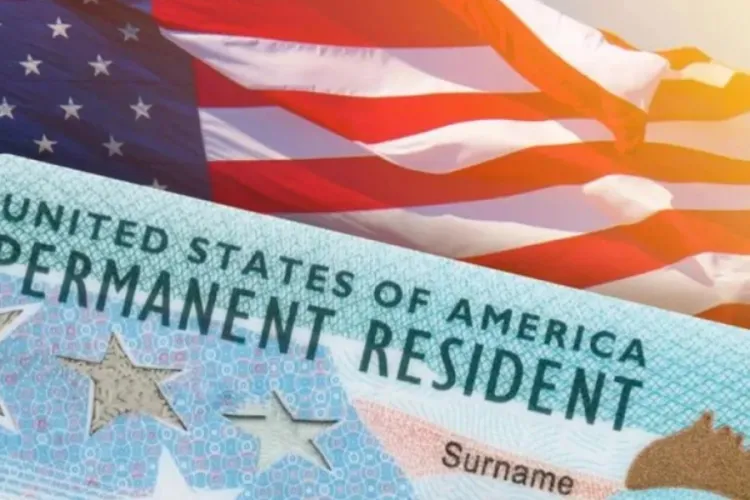
The Diversity Visa programme, commonly known as the Green Card lottery, provides a legal immigration route to the United States for nationals of countries with historically low levels of migration to the country. It is particularly significant for applicants from African countries, where demand for legal migration opportunities remains high.


Comments
No comments yet — be the first.