
Kenya's Crackdown on Foreign Traders Sparks Fear Among Migrants
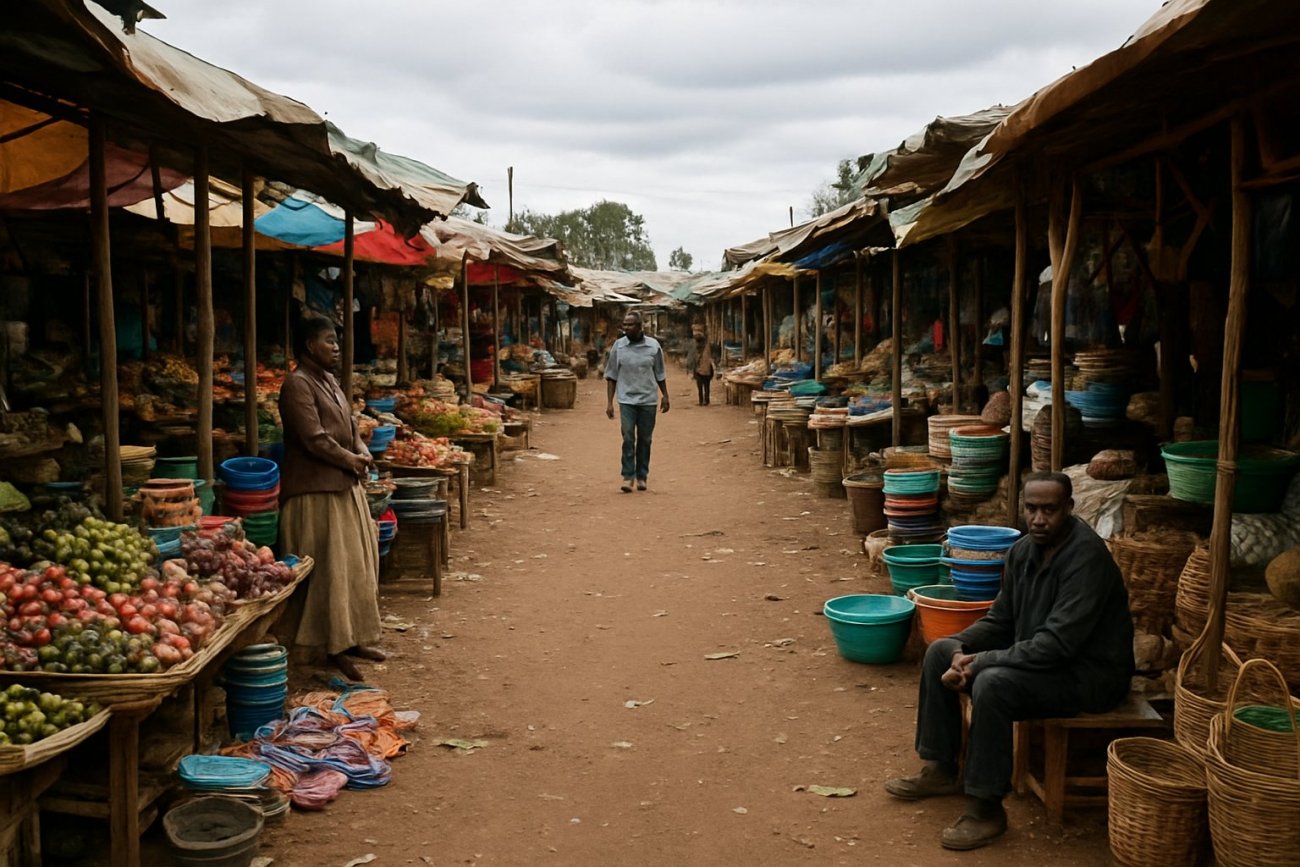
In a move that has ignited fear among foreign traders, Kenyan authorities have embarked on a crackdown aimed at regulating non-citizen business activities. This initiative is taking place amidst growing concerns over the influx of foreign traders in the country's markets, particularly in urban areas like Nairobi. The crackdown has led to a significant number of migrants choosing to flee the country as fear and uncertainty grip the trading community.
The government's decision to intensify regulation comes as part of broader efforts to address what authorities describe as uncontrolled foreign participation in small and medium-sized enterprises. This endeavor is seen as a response to rising complaints from local traders about competition and market saturation, which they argue has been exacerbated by foreign nationals.
However, the measures have not gone without criticism. Human rights organizations and migrant support groups have raised alarms over potential human rights violations. Reports suggest that several foreign traders have been subjected to aggressive enforcement actions, including forced evictions and raids. These developments have created an atmosphere of tension and despair among the affected communities.
One of the pressing concerns is the economic impact on migrants who have established livelihoods through their trading activities in Kenya. Many of these traders come from neighboring countries in search of economic opportunities, contributing significantly to the local economy. The crackdown, however, threatens to undermine these contributions, leading to a potential loss of income and economic instability for those affected.
The situation has drawn attention beyond Kenya's borders, with regional observers expressing concern about the precedent it sets for other countries in Africa. There is an apprehension that similar measures could be adopted elsewhere, which might lead to increased xenophobia and strained diplomatic relations within the continent.
As the situation unfolds, the international community is keenly watching for Kenya's next steps. The government faces the challenge of balancing its regulatory objectives with the need to uphold the rights and dignity of all individuals residing within its borders, regardless of their nationality. The outcome of this crackdown will likely influence Kenya's socio-economic landscape and its relationships with neighboring nations.






Comments
No comments yet — be the first.