

Applying for a US Green Card? Here’s What the New Rules Mean for Kenyans
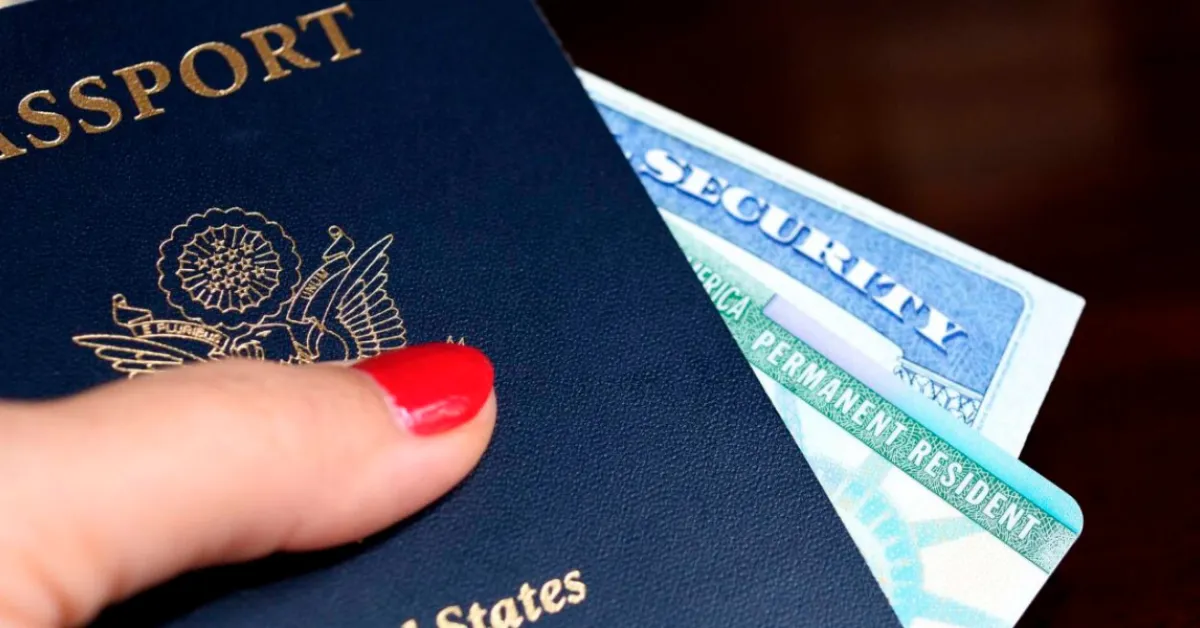
Kenyans seeking permanent residence in the United States now face broader scrutiny of their financial circumstances under a new immigration rule that took effect on 18 September.
Issued by the US Department of Homeland Security (DHS), the regulation expands the range of public benefits that immigration officers may consider when deciding whether an applicant is likely to become a “public charge”. The rule, first published in July, replaces the framework introduced in 2022 under President Joe Biden, which limited the benefits considered in residency applications.
Under the new rules, officers of US Citizenship and Immigration Services (USCIS) may consider “any and all” means-tested public assistance received by an applicant. This includes Medicaid, food assistance and housing programmes. Under the previous framework, assessments were generally limited to cash assistance for income maintenance and long-term institutional care.
The DHS says receiving government assistance does not automatically disqualify an applicant. Instead, officers must assess each case based on the totality of the circumstances.
Factors that may be considered include an applicant’s age, health, family circumstances, financial resources, education and skills. USCIS spokesperson Zach Kahler said the policy was intended to ensure that immigrants are self-reliant and do not become dependent on taxpayer-funded programmes.
The change gives immigration officers broader discretion than under the 2022 framework. Rather than relying primarily on a prescribed formula, officers can consider a wider range of individual circumstances when assessing an applicant’s likelihood of becoming a public charge.
For Kenyans already living in the US, the date an application is filed is important. Adjustment-of-status applications submitted before 18 September will be assessed under the previous rules, and benefits received before that date will not be considered retroactively under the new framework.
Applications submitted from 18 September onwards are subject to the expanded criteria. Use of certain public programmes may therefore be considered as part of an applicant’s overall circumstances.
The change could affect Kenyan families that rely on government-supported healthcare, food assistance or housing programmes while seeking permanent residence. Advocacy groups have warned that the broader rules could discourage immigrant households from using benefits to which they are legally entitled because of concerns about their immigration applications.
There is also uncertainty over how benefits used by US-citizen children in an immigrant household will be treated. Legal challenges and differing interpretations of the rules have added to that uncertainty.
Several states and municipalities have challenged the regulation in court. They argue that it gives immigration officers too much discretion and could discourage families from seeking essential public assistance. The administration maintains that the rule is consistent with congressional intent to promote self-sufficiency among immigrants.
For Kenyans applying for a green card, the revised rules mean that immigration officials may examine a broader range of financial and personal circumstances when applying the public-charge test. Receiving government assistance does not, by itself, prevent an applicant from obtaining permanent residence, but the benefits received may form part of the overall assessment.













Add new comment