

DHS Proposes Rollback of Grace Periods for H-1B and Other Visas, Impacting African Nonimmigrants
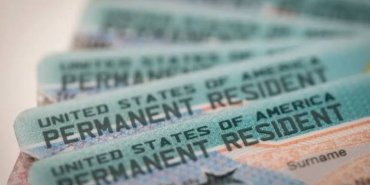
The Department of Homeland Security (DHS) has proposed a new measure that could significantly alter the landscape for H-1B and other employment-based nonimmigrants in the United States. According to a recent report, the DHS seeks to reduce the grace period currently afforded to these visa holders following the termination of their employment.
The proposed rollback targets the 60-day grace period that is currently allowed for H-1B visa holders and others on employment-based visas to find new employment or make necessary arrangements before they are required to leave the United States. This grace period has been crucial for many nonimmigrants who face sudden unemployment, offering a buffer to transition between jobs or to prepare for departure if necessary.
The impact of this proposal is expected to be widespread, affecting numerous nonimmigrants, including a significant number from African nations such as Kenya, who rely on these visas for their professional engagements in the U.S. The H-1B visa program, in particular, is a popular pathway for skilled professionals from Africa and other continents seeking to work in the United States.
The DHS's proposal comes amid broader immigration policy changes under the administration of U.S. President Donald Trump, who has taken a hard stance on immigration issues. The current administration, with Kristi Noem as the Secretary of Homeland Security, has been actively pursuing policies that tighten immigration controls and limit pathways for foreign nationals to remain in the country without active employment.
If adopted, the rollback could lead to increased uncertainty for nonimmigrant workers and their employers. Companies employing foreign talent might face challenges in retaining their workforce, as the reduced grace period could lead to sudden workforce shortages if employees are unable to secure new positions promptly after a layoff.
For the Kenyan and wider African diaspora, this development could complicate the already intricate process of maintaining legal work status in the United States. Many professionals from these regions move to the U.S. under the H-1B program, contributing to various industries including technology, healthcare, and academia. These sectors could see a direct impact on their operations if the policy change is implemented.
The DHS's proposal is currently under review, and it remains to be seen how the feedback from stakeholders and public commentary will influence the final decision. As the situation develops, affected nonimmigrants and their employers are advised to stay informed about any changes to the policy and prepare for potential adjustments in their employment and immigration strategies.











Add new comment