
Sweeping US Immigration Changes Impact 250,000 Visa Holders
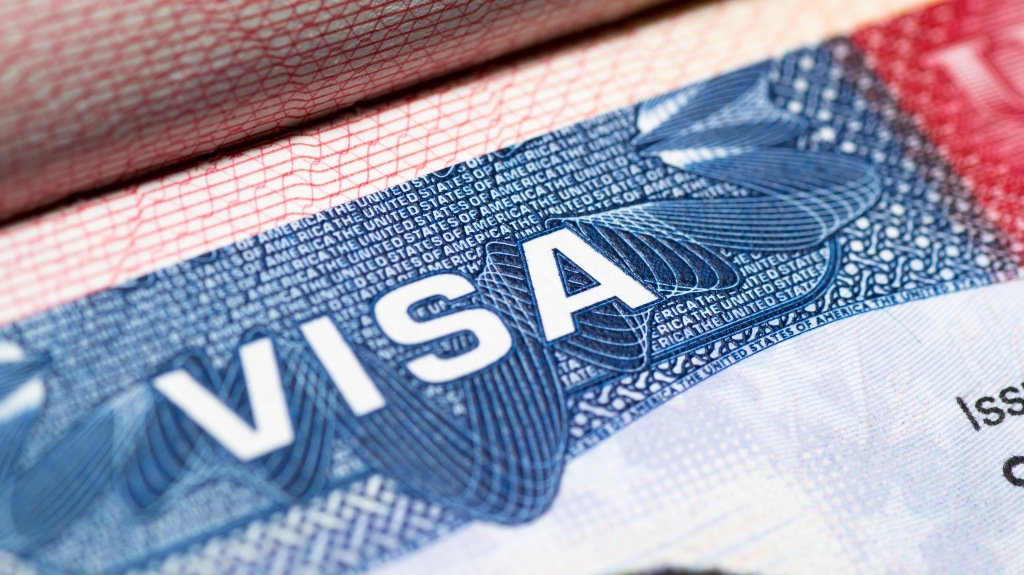
The United States has enacted significant changes to its immigration policy, leading to the revocation of approximately 250,000 visas. These changes, effective as of October 1, 2026, mark one of the most substantial overhauls in recent years and are set to impact thousands of individuals seeking to enter or remain in the country.
The revocation affects a wide array of visa categories, including employment-based, student, and family-sponsored visas. The U.S. Department of Homeland Security announced these measures as part of a broader strategy to tighten immigration controls and prioritize national security concerns.
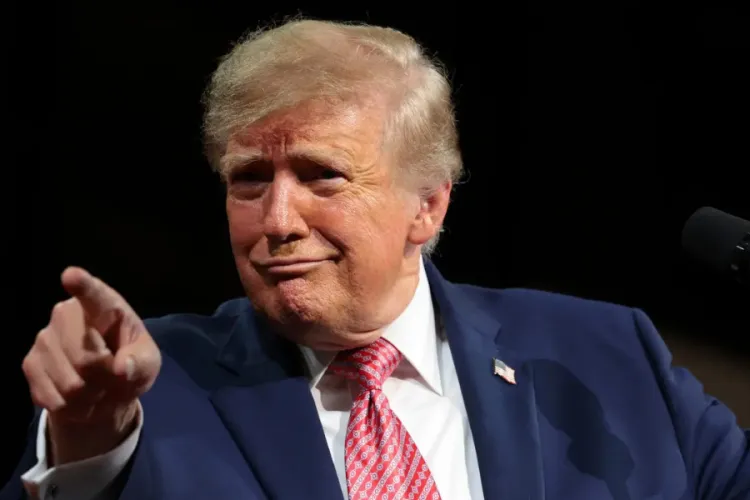
The restructuring of the immigration system has been a significant focus of President Donald Trump's administration during his second term. The administration has emphasized the need to address what it perceives as vulnerabilities in the current system, aiming to enhance vetting processes and reduce illegal immigration.
According to the Department of Homeland Security, the revocations were determined based on specific criteria that assessed the potential security risks and compliance with visa conditions. This move is expected to affect not only individuals currently residing in the U.S. under these visas but also those abroad who were planning to travel to the country.
The changes have elicited varied reactions from different stakeholders. Supporters of the policy argue that it is a necessary step to safeguard the nation and ensure that immigration laws are upheld. Critics, however, express concerns about the humanitarian and economic implications of such drastic measures. They argue that the revocation of visas could lead to family separation, disrupt educational pursuits, and adversely affect businesses that rely on foreign talent.
The U.S. immigration system has been a topic of considerable debate and policy adjustments over the past decades. Previous administrations have grappled with the challenge of balancing security with the nation's historical role as a destination for immigrants seeking better opportunities. The current changes reflect a pivot towards more stringent enforcement, which aligns with the Trump administration's broader immigration agenda.
Historically, U.S. immigration policy has undergone various transformations, often reflecting the political and social climate of the time. The latest changes continue this trend, as the administration seeks to implement policies that resonate with its base while addressing ongoing concerns about immigration.
The impact of these changes extends beyond those directly affected by the visa revocations. Educational institutions, businesses, and immigrant advocacy groups are closely monitoring the situation to assess its broader implications. Universities that host international students are particularly concerned about the potential decline in enrollment, which could affect their financial stability and cultural diversity.
In the business sector, companies that employ foreign workers on specialized visas face potential disruptions. The technology industry, in particular, relies heavily on skilled immigrants and may experience challenges in maintaining its competitive edge if access to international talent is restricted.
As the changes take effect, legal experts anticipate a surge in immigration-related legal challenges. Individuals affected by the visa revocations may seek recourse through the courts, arguing that the changes violate their rights or were implemented without adequate notice.
The U.S. government's decision to revoke 250,000 visas as part of its sweeping immigration reforms marks a pivotal moment in the nation's ongoing immigration debate. As the international community watches closely, the long-term effects of these changes remain to be seen, both within the United States and globally.
Comments
No comments yet — be the first.