


Kenya Confirms First Imported Ebola Case After Patient Dies in Nairobi
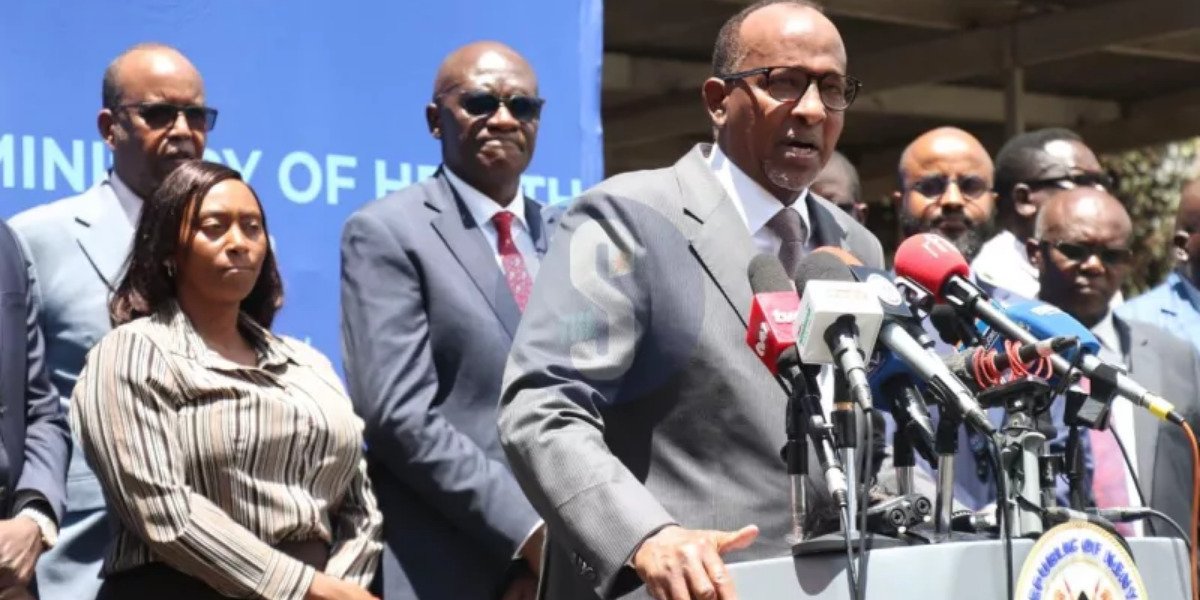
Kenya has confirmed its first imported case of Ebola virus disease after a Kenyan man who had travelled from the Democratic Republic of Congo (DRC) died in Nairobi.
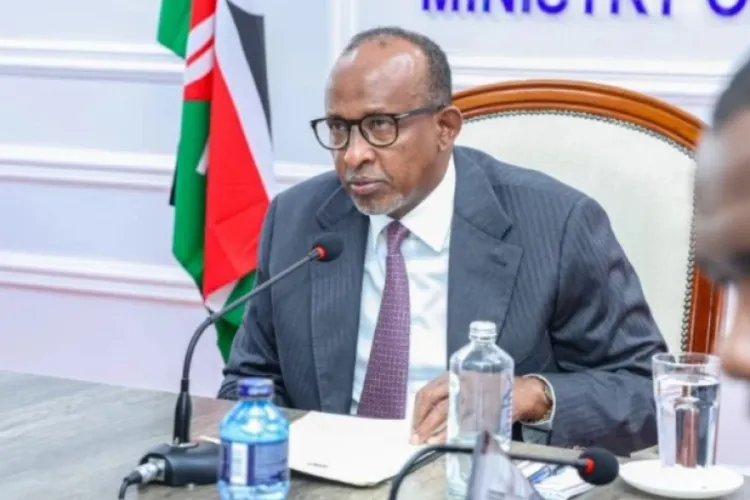
Health Cabinet Secretary Aden Duale said on Tuesday that the patient had lived in the DRC for seven years and became ill about a month ago. He received treatment at several health facilities in the DRC before travelling to Kenya.
The man travelled by road from the DRC to Kampala, Uganda, before boarding Jambo Jet flight 8523 to Nairobi. He arrived at Jomo Kenyatta International Airport at 1.10pm on Saturday, 3 October, where he underwent routine screening at the Port Health and immigration facilities.
He was then driven to Nairobi Hospital by a relative and a friend in a Toyota Fielder. After arriving at the Accident and Emergency department, medical staff separated him from other patients and transferred him to the hospital's East Wing Isolation Facility.
His recent travel history and symptoms raised suspicion of viral haemorrhagic fever. He had fever, chills, severe exhaustion and weakness, muscle pain, difficulty swallowing, a sore throat and bleeding beneath the skin around injection sites.
Samples taken from the patient tested positive for Bundibugyo Ebola virus disease at both the National Virology Reference Laboratory and the Kenya Medical Research Institute (KEMRI). The patient was placed on supportive treatment but died on Monday night. His burial was scheduled for Tuesday under specialised safe and dignified burial procedures intended to prevent further transmission.
The Ministry of Health has identified 28 contacts so far, including relatives and healthcare workers who attended to the patient. Officials are also tracing 23 passengers and four crew members who travelled on the same flight from Kampala to Nairobi.
Quarantine arrangements are being made for people considered to have been exposed to the patient as health officials work to determine the extent of possible transmission. Duale said Kenya had maintained heightened surveillance since the outbreak began in May 2026.
The Ministry is treating the case as an isolated imported infection rather than evidence of established community transmission, while stressing the importance of identifying and monitoring all contacts. Ebola can spread through direct contact with the bodily fluids of an infected person. Health authorities are therefore focusing on contact tracing, surveillance and infection-prevention measures to prevent the virus from spreading further.
Kenya's preparedness efforts have included increased screening and expanded laboratory capacity. By Tuesday, health officials had screened 652,584 travellers and tested 267 samples through five laboratories.
These facilities include the National Virology Reference Laboratory, KEMRI laboratories in Nairobi and Kisumu, and mobile laboratories operating at the Busia and Lwakhakha border points in Bungoma County. Nearly 5,000 health workers at national and county level have also received training as part of the country's Ebola preparedness programme. The Ministry said only the latest sample had tested positive among those examined and that Kenya had formally notified the World Health Organisation under the International Health Regulations.
Duale urged the public to remain calm, saying the country's surveillance, laboratory testing, isolation and contact-tracing systems were in place to limit the spread of the disease. The case is being managed as a public-health priority because of the patient's movements from the DRC through Uganda to Nairobi and his subsequent treatment at a major hospital. Health officials are working to identify and monitor people who may have been exposed during his journey and treatment.
The Ministry has advised the public to maintain regular hand hygiene by washing hands with soap and water or using alcohol-based hand sanitiser. People should also avoid close contact with anyone who is unwell and has recently travelled from an area experiencing active Ebola transmission.
Anyone who develops symptoms should seek treatment promptly at a recognised health facility rather than delay seeking medical care. Health workers have been instructed to maintain strict infection-prevention and control measures when treating patients, regardless of their illness.
The Ministry said further updates would be issued through its official communication channels. Members of the public can also obtain information through the toll-free health line 719.


Comments
No comments yet — be the first.