
Majority of Kenyan Buildings Fail Critical Safety Inspections
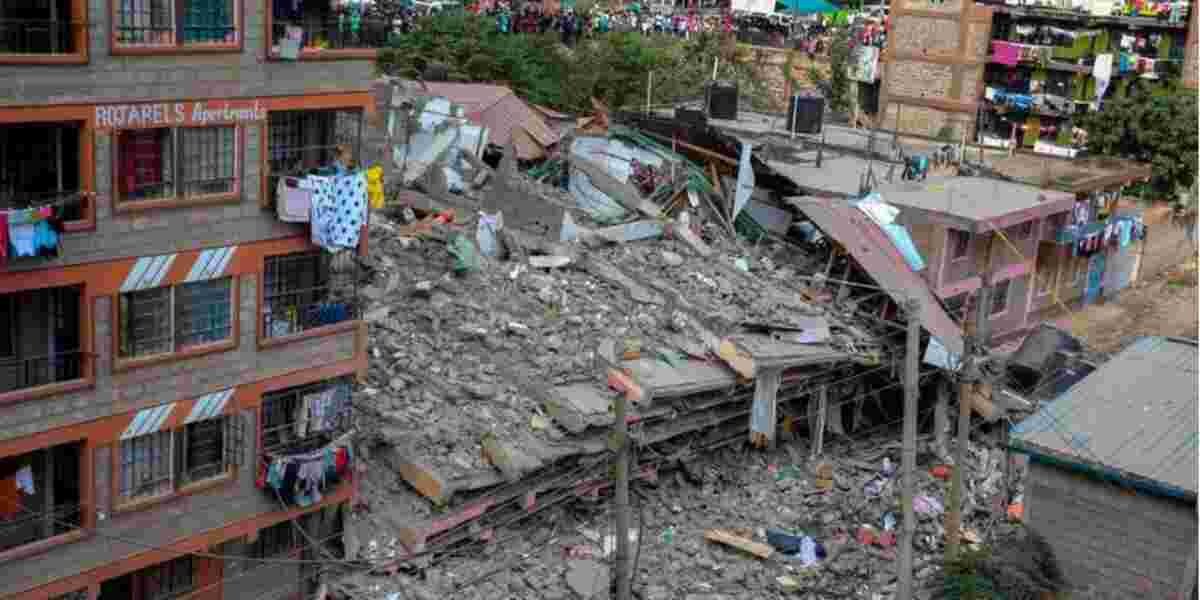
A newly released report by the Architectural Association of Kenya (AAK) has raised concerns regarding the structural safety of buildings nationwide.
According to the findings, less than half of the 1,333 buildings inspected during the 2023/24 financial year met essential safety standards. This situation calls for urgent improvements in oversight and enforcement of construction regulations. The report indicates that only 570 of the examined structures were deemed safe, while 42 buildings were identified as dangerous and require immediate testing and potential demolition.
Additionally, 246 buildings were classified as unsafe, and 453 fell into the fair category. These statistics highlight the need for stricter regulatory measures to address structural safety and foster reliable urban development. The AAK has underscored the imperative of enhancing the technical and financial capacity of the National Building Inspectorate (NBI) to manage public safety risks effectively.
Over the past decade, the NBI has inspected 20,649 buildings across various counties, with a disturbing 11,662 identified as unsafe and in need of rehabilitation. However, only 210 structures have undergone testing for structural integrity, revealing a notable gap within the regulatory framework. In Nairobi, the situation is particularly dire as it recorded the highest number of dangerous buildings. This reflects the complexities of regulating construction amid densely populated urban settings.
The report cites multiple incidents of structural failures and building collapses in regions including Uthiru, Kahawa West, Ruiru, and Kiamaiko, resulting in loss of life and displacements. Private buildings represent the largest share of non-compliant structures, alongside informal constructions that encroach on riparian zones and infrastructure reserves. The AAK has called for immediate evacuations where necessary and emphasizes the urgent need for systematic demolition of unsafe buildings.
In Nairobi County alone, 688 buildings have been categorized as dangerous, accentuating the critical need for intervention in urban areas affected by rapid and often unregulated development. Since the NBI's inception, a total of 119 permanent structures have been demolished, with an additional 10 buildings awaiting demolition following further inspections.





Comments
No comments yet — be the first.