


Kileleshwa, Kilimani Lead Nairobi's Resilient Luxury Housing Market Despite Sector Slump

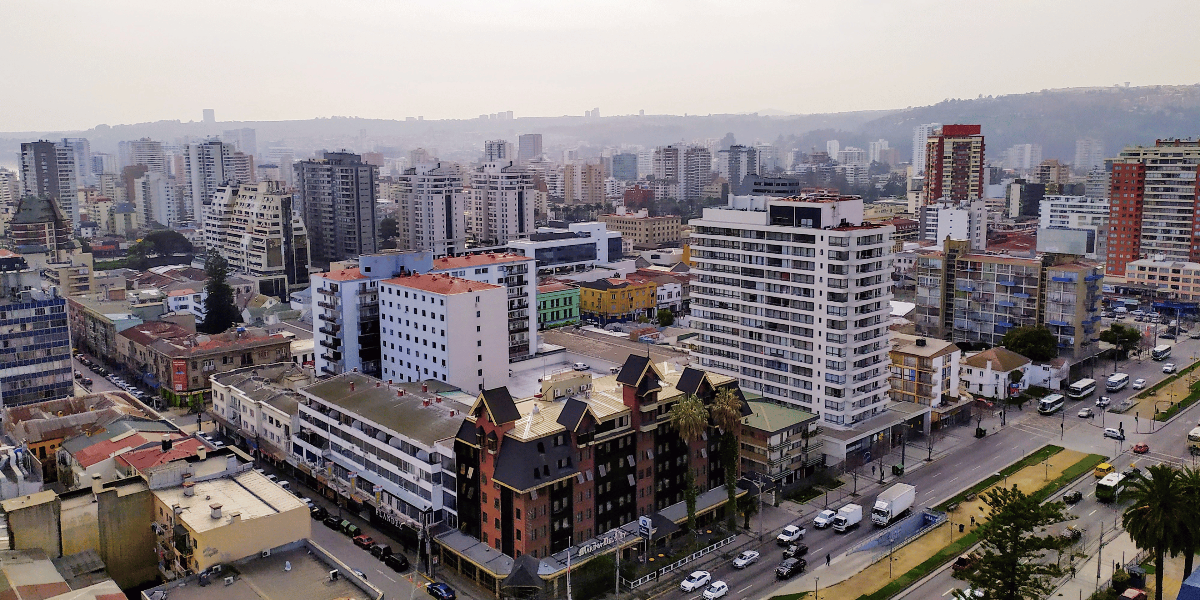
Nairobi's uptown neighbourhoods have maintained their status as some of the most expensive areas for housing, even as the broader real estate market grapples with significant declines, according to the latest Kenya Bankers Association (KBA) Housing Price Index.
For the third quarter of 2024, the index reports a 1.1 percent decrease in house prices compared to the previous quarter and a substantial 14.28 percent drop year-on-year. High-end housing options, including townhouses and maisonettes, continue to dominate with average prices reaching Sh38.63 million and Sh26.08 million, respectively. Notably, regions such as Kileleshwa, Kilimani, Lavington, Westlands, Spring Valley, and Riverside show particularly high average townhouse prices, peaking at Sh59 million.
Interestingly, the high-market segment saw an increase in transaction volume, climbing from 33.7 percent in the second quarter to 37.2 percent in the third quarter of 2024. Despite the overall decline in prices, other affluent neighbourhoods—such as Runda, Karen, Garden Estate, Parklands, Ridgeways, Muthaiga, Loresho, Kitisuru, Adams Arcade, Nyali, Mountain View, and Nyari—remain appealing to buyers.
Conversely, activity within more affordable regions like Athi River, Mlolongo, Ngong, Ruaka, Syokimau, Embakasi, Kahawa Wendani, Thika, Kitengela, and Ruiru experienced a downturn, accounting for 45.3 percent of transactions this quarter, a decline from 48.1 percent in the previous period. The KBA report attributes this downturn to macroeconomic adjustments impacting the real estate and construction sectors, indicating a shift towards more affordable housing options.
Areas like Mlolongo have seen a remarkable 34.3 percent rise in average house prices, fetching Sh10.97 million compared to Sh8.17 million in 2021. In terms of housing types, apartments still lead the market despite a notable 14 percent quarter-on-quarter decline in demand, constituting 40.19 percent of completed transactions—down from 54.35 percent previously. Bungalows have remained stable at 29.91 percent, while maisonettes recorded an uptick in demand, rising to also comprise 29.91 percent of the market, up from 15.22 percent.
Current average prices stand at Sh20.17 million for maisonettes, Sh17.51 million for apartments, and Sh10.78 million for bungalows. These patterns reflect an evolving market where buyers increasingly gravitate towards more cost-effective housing solutions, prompting price adjustments across various segments. The construction sector mirrored these trends, demonstrating volatility throughout the year, with activity increasing by 3.06 percent in the first quarter, declining by 2.55 percent in the second, and rebounding by 3.8 percent in the third quarter.



Comments (1)
boo you bell bungalows