


What It Costs to Build a House Using Precast Panels in Kenya

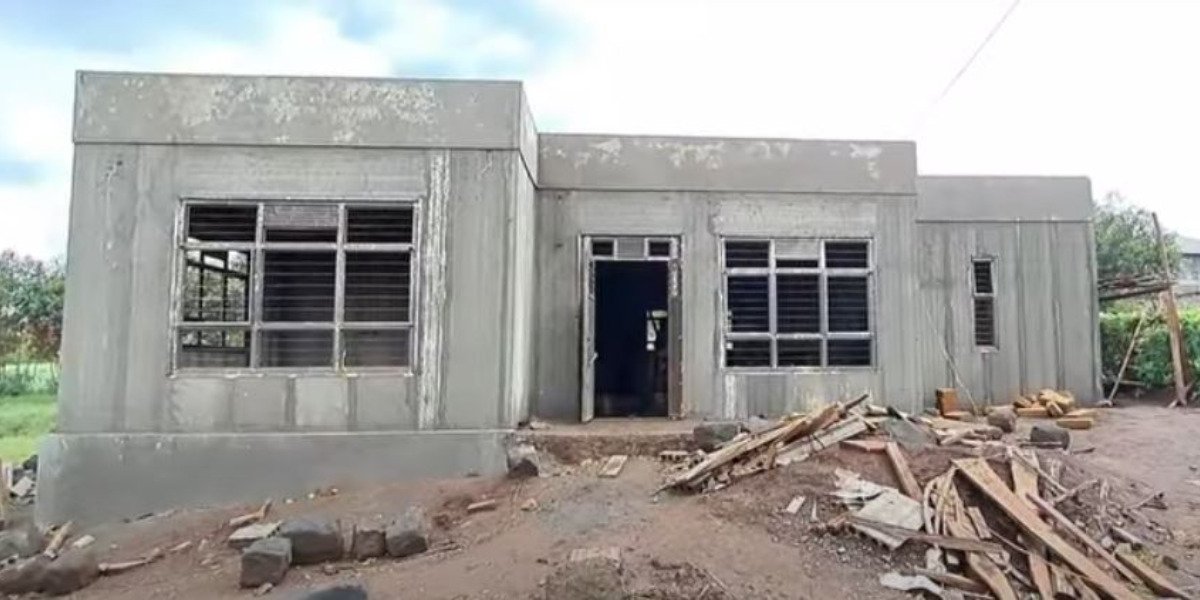
A shift toward precast concrete technology is offering a cost-effective alternative to traditional construction methods in Kenya.
The technology allows for the off-site manufacturing of building components, significantly reducing both construction costs and timelines.
According to precast concrete manufacturer Amos Kibaru, the shell of a bungalow can be constructed for an estimated Sh1.5 million using precast technology, including labour. Interior finishing brings the total cost to approximately Sh2.5 million.
This represents a substantial savings compared to conventional brick-and-mortar construction. Precast construction can also be completed in approximately one month, drastically cutting down construction time. The construction of a three-bedroom bungalow with 2.5-meter walls requires specific materials including T beams, panels, fibre reinforcement, and blocks.
The beams alone cost Sh211,200, with the remaining panels and blockwork contributing to the overall expense. Labour costs are relatively low, with shell assembly estimated at Sh40,000, not including the expense of finishing materials. Costs for roofing, windows, and steel doors will vary depending on the homeowner's preference.
While precast technology provides financial and time-saving benefits, logistical challenges related to transportation costs must be considered. Transportation expenses are heavily dependent on location. Thorough budgetary planning is also essential to ensure that the construction project stays within established spending limits.
The emergence of precast construction methods has the potential to democratize homeownership for low-income individuals, contribute to urban development, and reduce existing housing deficits. In Kenya, where affordable housing remains a critical issue, innovative approaches such as these offer hope for inclusive progress.



Comments
No comments yet — be the first.