
Kaloleni Estate Struggles Under Weight of Illegal Extensions
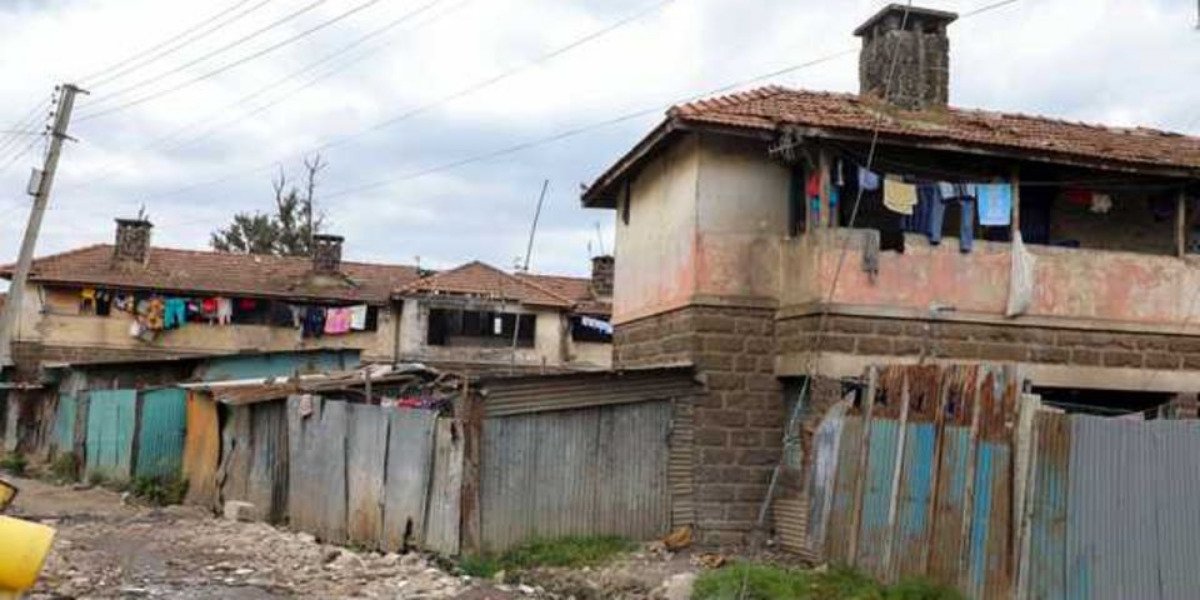
Kaloleni Estate, one of Nairobi’s oldest residential areas, is facing severe neglect despite its designation as a national heritage site and its deep ties to Kenya’s political and urban history.
Located along Jogoo Road in Nairobi’s Eastlands, Kaloleni was built in the mid-1940s by the colonial government to house African soldiers returning from the Second World War. Italian prisoners of war were reportedly involved in the construction, using imported materials to build the estate’s signature stone-walled, tile-roofed houses.
The estate was part of a broader plan to create formal housing for Africans during a time of strict racial segregation in urban planning. Tenants of the original houses currently pay between Sh1,980 and Sh2,200 per month to the Nairobi County Government. However, informal extensions built from iron sheets, attached to the main houses, are often rented out at higher rates by private landlords.
This has created a housing paradox where the extensions cost more than the original council homes, despite being less secure and lacking basic infrastructure.
Kaloleni’s population reflects a complex history of migration and settlement. Many of its early residents were individuals connected to the colonial administration, similar to those in neighbouring estates such as Ziwani and Pangani.
Today, long-term residents like Ezra Omondi Olack, Chair of the Kaloleni Estate Residents Association, consider the estate their only home. Olack argues that families of the original war veterans should not be required to pay rent, as the houses were granted in recognition of their service.
Despite its historical importance, Kaloleni suffers from widespread neglect. Residents face frequent water shortages, poor waste management, and stagnant water that poses serious health risks. Long-time resident Levi Wanjala recalls a time when the estate was lush and well-maintained, in contrast to its current state of disrepair.
In 2014, Kaloleni and its Social Hall were declared national monuments under the National Museums and Heritage Act. The Social Hall, in particular, holds significant historical value as a meeting place for key African leaders during Kenya’s independence movement.
Figures such as Jomo Kenyatta, Tom Mboya, and Mwai Kibaki all held events there, including celebrations following the 1963 election. The hall also hosted pan-African leaders, including Julius Nyerere, Kwame Nkrumah, and Joshua Nkomo.
Historically, Nairobi’s neighbourhoods were planned along racial lines. According to Makadara Deputy County Commissioner Philip Koima, areas like Kaloleni were reserved for Africans, while Asians were placed in neighbourhoods such as Parklands and South B, and Europeans in areas like Karen.
Within this structure, Kaloleni became home to members of the emerging African elite, including prominent figures such as Ugandan President Milton Obote and economist Barack Obama Sr.






Comments
No comments yet — be the first.