
Geopolitical Tensions Escalate as Oil Prices Surge Following Breakdown of U.S.-Iran Negotiations
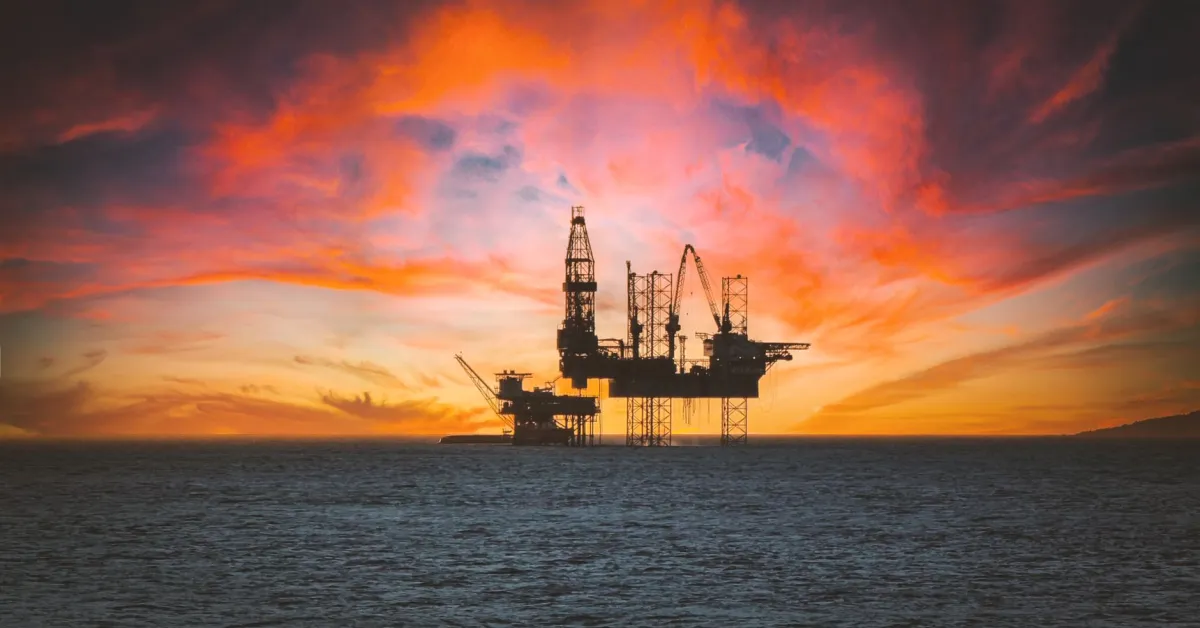
Global oil markets have been thrown into turmoil after U.S. President Donald Trump announced that the United States' negotiations with Iran have collapsed, leading to a spike in crude oil prices. The announcement followed a series of alleged Iranian attacks on commercial vessels navigating the strategic Strait of Hormuz, a vital corridor for global energy supplies, which has heightened fears of a potential conflict that could disrupt oil shipments from the region.
The Strait of Hormuz is a crucial maritime chokepoint through which approximately 20% of the world’s petroleum passes. The recent attacks have prompted a sharp reaction from the international community, with concerns mounting over prolonged instability in the Middle East. The U.S. President, speaking at a press conference, declared, "The deal with Iran is over due to their aggressive actions in international waters. Our focus is now on protecting our allies and ensuring the safety of global trade routes."
In the wake of these developments, oil prices surged by nearly 15% within 24 hours, reflecting market anxieties over potential shortages. The energy sector is closely watching the unfolding situation, given that any substantial disruption in the Strait could have widespread implications for global economies, particularly for developing nations heavily reliant on energy imports. Economists have noted that such a price increase could exacerbate inflationary pressures, further challenging recovering economies post-pandemic.
NATO has convened an emergency summit in Turkiye to address the security threats posed by the escalating tensions in the Gulf region. Discussions are reportedly centered on whether the alliance should increase its naval presence in the area to secure safe passage for international shipments. Jens Stoltenberg, the NATO Secretary-General, emphasized, "NATO remains committed to ensuring the stability of global maritime routes in the face of threats and aggression. Our member states are united in their resolve to deter any actions that may destabilize the region further."
Meanwhile, diplomatic efforts are being spearheaded by various international actors to de-escalate the situation. Marco Rubio, the U.S. Secretary of State, has been actively engaging with regional allies and partners to garner support for a coordinated response. "Diplomacy must prevail to avoid further confrontation," Rubio stated, urging Iran to adhere to international norms and practices.
The potential impact of these developments extends beyond immediate energy markets. African nations, for instance, may feel the pinch as higher oil prices could lead to increased costs of goods and services, affecting both consumers and businesses. Moreover, the volatility in global markets could deter foreign investments in emerging economies, complicating their growth prospects.
As the situation remains fluid, stakeholders worldwide are closely monitoring the actions of both the United States and Iran, as well as the responses from international organizations. The coming weeks are critical in determining whether diplomatic efforts can successfully defuse the tensions or if the world must brace for a more profound geopolitical confrontation.









Add new comment