

How Onion Farming Can Make You a Millionaire
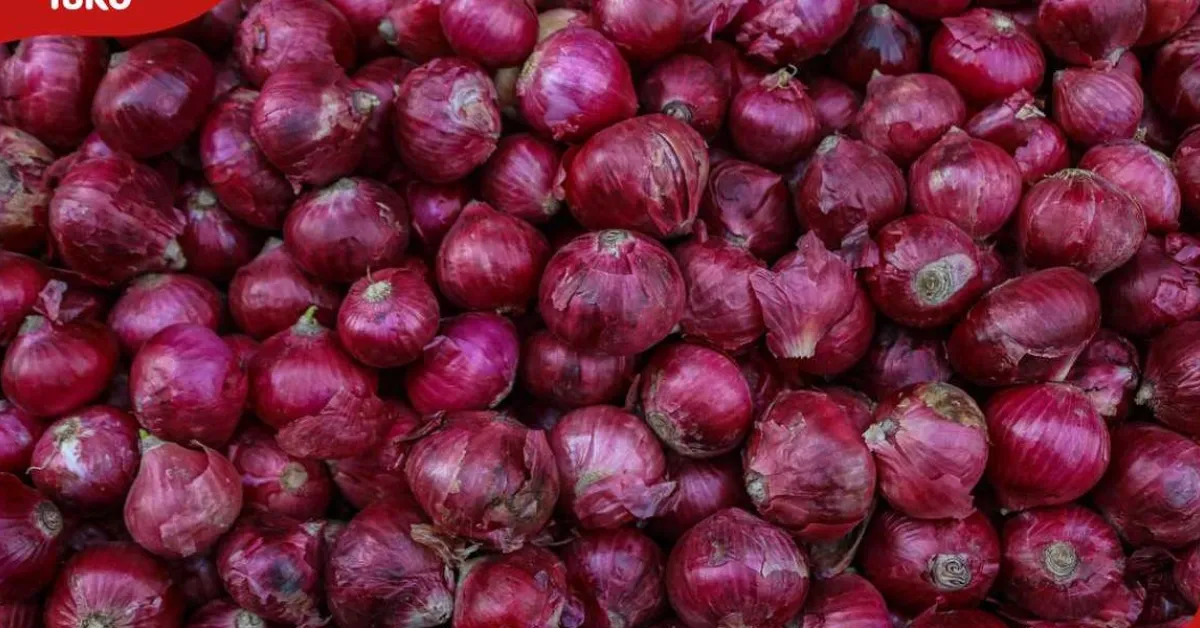
Kenya’s onion sector is expanding rapidly, driven by the adoption of hybrid seeds, improved farming methods, and growing regional trade.
In recent years, the industry has shifted from traditional seed varieties and low yields to more efficient production systems. Hybrid onion seeds, particularly F1 varieties, are now widely used. These seeds produce higher yields, more uniform bulbs, and better overall quality. As a result, Kenya has become one of the largest consumers of hybrid onion seed in East Africa.
Farmers are also strengthening their skills through training programmes and agricultural exhibitions. These initiatives focus on key areas such as nursery management, fertiliser use, pest control, and post-harvest handling. Improved knowledge and practices are helping farmers produce onions that are more competitive in regional markets.
Local production, however, does not fully meet demand throughout the year. The East African Community’s open trade system allows onions to move across borders, enabling imports to fill supply gaps. During periods of surplus, Kenyan farmers export onions to neighbouring countries. The market remains seasonal, with prices influenced by fluctuations in supply and demand.
Onion farming offers a viable business opportunity, particularly for young entrepreneurs. The crop requires moderate investment compared to other agribusiness ventures and benefits from steady demand from households, hotels, and processors. Under effective management, an acre can produce between 18 and 25 tonnes.
With average production costs of about Sh150,000 per acre, a yield of 20 tonnes sold at Sh50 per kilogramme can generate profits of around Sh850,000. During periods of scarcity, when prices rise to Sh120 per kilogramme, profits may exceed Sh2 million.
Climate change continues to present challenges. Unpredictable rainfall, extended dry periods, and temperature changes affect bulb formation and overall yields. Farmers are adopting measures such as irrigation, mulching, and adjusted planting schedules to manage these risks. Soil moisture conservation technologies, including starch-based solutions that retain and release water gradually, are also being introduced to support stable production.
Despite progress, several constraints remain. Farmers face drought, pest outbreaks, and the use of unsuitable seed varieties. Price volatility is common, and imports can disrupt local markets. Limited storage facilities often force farmers to sell immediately after harvest, leaving them vulnerable to low prices set by intermediaries. Processing onions into products such as flakes or powder can reduce losses and create access to new markets.
Technology is playing an increasing role in improving efficiency. Drip irrigation systems, mechanised spraying, soil testing, and digital platforms for market access are helping farmers increase productivity and profitability.





















Add new comment