
Climate Change Intensifies Extremes: Western Europe Shatters Temperature Records
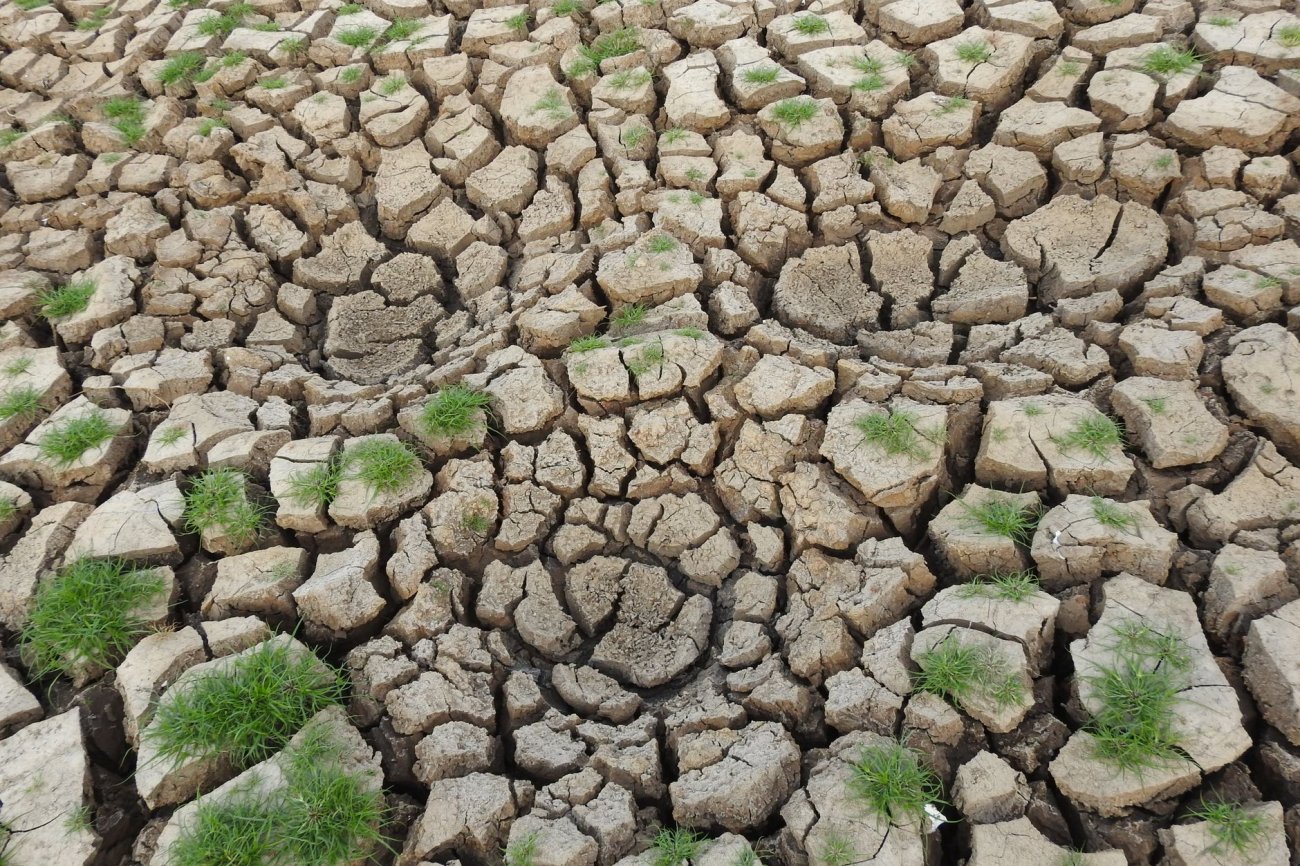
The combination of a persistent heat dome and the overarching effects of climate change have led to unprecedented temperature extremes across western Europe, raising alarms among scientists and policymakers alike. In recent weeks, temperature records have not only been broken but utterly shattered, with multiple cities experiencing their hottest days on record. The European Centre for Medium-Range Weather Forecasts (ECMWF) reported that parts of Spain, France, and Italy saw temperatures soar above 45 degrees Celsius, a scenario not previously forecasted for this early in the summer season.
Climate scientists attribute these drastic temperature increases to a confluence of natural weather patterns and human-induced climate change. "The heat dome effect has amplified the warming caused by greenhouse gases," said Dr. Friederike Otto, a climate scientist at the University of Oxford. "Such extreme events are becoming more frequent and more intense due to human activities," she added, echoing the sentiments of the latest Intergovernmental Panel on Climate Change (IPCC) report which underscores the urgency of curbing emissions.
The impact of this extreme heat is multifaceted, affecting everything from public health to agriculture. Hospitals across affected regions have reported a surge in heat-related illnesses, particularly among vulnerable populations such as the elderly and young children. According to France's Ministry of Health, emergency services responded to an average of 1,500 heat-related calls per day during the peak of the heatwave. "We are witnessing the direct effects of climate change, and our healthcare systems are feeling the strain," stated France's Minister of Health, Dr. Amélie de Montchalin.
Agricultural sectors also face dire consequences, with crops wilting under the intense heat and drought conditions exacerbating an already challenging growing season. The European Union’s agricultural body, Copa-Cogeca, has warned of a potential 20% reduction in yields for staple crops like wheat and corn. "Farmers are on the frontlines of climate change, and this is yet another reminder of the urgent need to adapt our agricultural practices," said Pekka Pesonen, Secretary-General of Copa-Cogeca.
This extreme weather event highlights the urgent need for a global response to climate change, particularly in terms of adaptation and mitigation strategies. The European Union has been at the forefront of climate action with its European Green Deal, aiming to make Europe the first climate-neutral continent by 2050. However, experts warn that more immediate action is required to address the increasing frequency of such extreme weather events.
Furthermore, the implications of these climatic shifts extend beyond Europe, with developing nations particularly vulnerable to the associated socioeconomic impacts. Countries with limited resources face greater challenges in adapting to rapid climate changes, highlighting the global disparity in climate resilience. The United Nations has called for increased international cooperation and financial support to aid these nations in building sustainable infrastructures that can withstand such extremes.
As Europe grapples with these record-breaking temperatures, attention now turns to the upcoming United Nations Climate Change Conference (COP28) scheduled to be held in Dubai later this year. World leaders are expected to discuss enhanced commitments to the Paris Agreement and explore new pathways for global climate collaboration. "The stakes have never been higher, and the need for unified action has never been more urgent," said António Guterres, Secretary-General of the United Nations, in a recent statement urging nations to escalate their climate ambitions.




Comments
No comments yet — be the first.