


Why More Homeowners Are Regretting Hidden Roof Designs

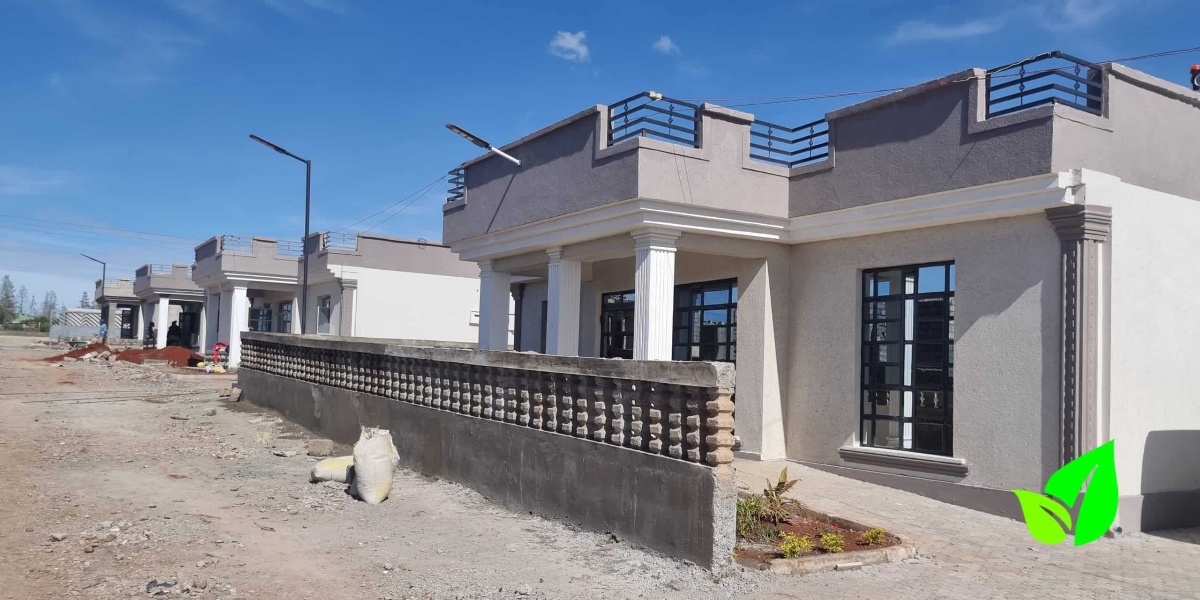
Homeowners with hidden roof designs are reporting persistent leaks, with construction experts attributing many of the problems to poor drainage systems, inadequate waterproofing and improper installation.
In Gikambura, Kikuyu, homeowner Mary Kageni says the rainy season has become a source of concern as repeated leaks continue to damage her house. A concealed roof design that initially appealed because of its clean appearance and lower construction costs has instead led to ongoing repair work.
Her experience reflects concerns among a growing number of homeowners who have adopted hidden roofs, a design that remains relatively new in Kenya’s residential housing market. While the roofs are valued for their modern appearance and affordability, poor workmanship has left some owners facing water damage and expensive maintenance.
Architect John Inya of Rovel and Steel says the difficulties stem from poor execution rather than the design itself. He explains that hidden roofs are often confused with flat roofs. A flat roof has a slope of less than seven degrees, while any roof with a steeper slope is considered pitched. A hidden roof is a pitched roof that is concealed from view.
Kageni’s house uses a butterfly-style hidden roof, where sloping iron sheets direct rainwater into a central gutter. According to Inya, the design was previously common in village shops, where water could drain freely through an open rear section. In modern homes, however, rainwater is channelled into a central gutter, making proper sizing and waterproofing essential.
“If the gutter is too narrow, rainwater can overshoot and enter the house,” he says.
He adds that waterproofing materials such as bituminous felt (APP) are necessary to prevent leaks at joints and connections. Structural engineer George Owalo also points to drainage failures as a common cause of leakage. He says many builders underestimate the amount of water that gutters must handle during heavy rainfall.
“The outlet has to function properly and remain clear. If heavy rain begins when it is blocked, leakage is unavoidable,” he says.
Experts recommend the use of heavy-gauge steel gutters reinforced with waterproofing layers. They also emphasise the need for sufficient width and depth to allow effective water flow and maintenance access. Without these measures, hidden roofs can develop recurring problems even when the overall design is sound.
Despite these challenges, architects and engineers maintain that hidden roofs offer several benefits. They require fewer construction materials, eliminate the need for expensive finishes such as fascia boards and can be built using standard corrugated aluminium sheets instead of more costly stone-coated roofing products.
Compared with flat slab roofs, which require reinforced concrete construction, hidden roofs remain a more affordable option. However, the recurring defects have highlighted concerns about the use of specialised designs without adequate technical expertise. Inya advises homeowners to seek guidance from qualified structural engineers rather than relying solely on site foremen.
“We often adopt designs from other regions because of their appearance without considering the conditions they were designed for,” he says.
He notes that steeply pitched roofs, commonly used in colder climates, are not essential in tropical environments. For Kageni, the decision is whether to continue repairing the roof or replace it altogether.






Comments
No comments yet — be the first.