
Taliban's Ban on Smartphones for Civil Servants Sparks International Concern
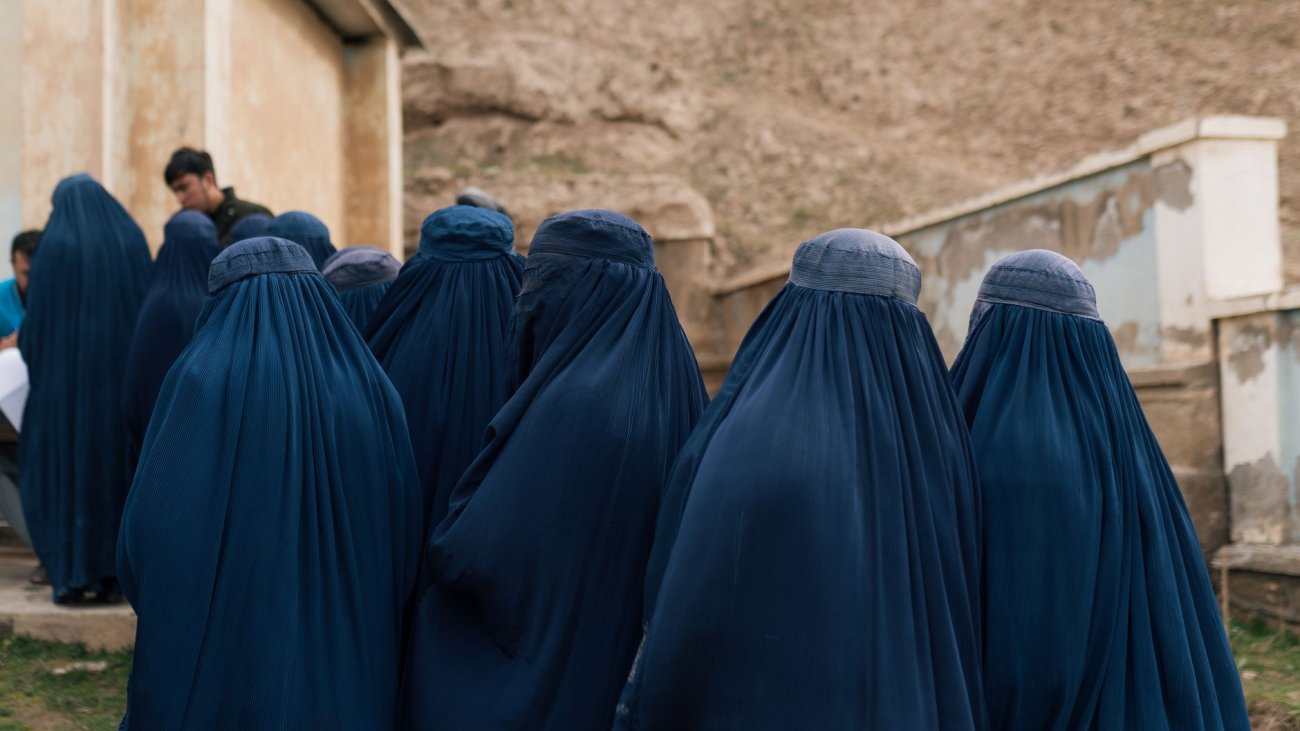
The Taliban government's recent mandate banning the use of smartphones among civil servants and military personnel in Afghanistan has raised significant international concern. The directive, issued by the Taliban's highest court on June 18, 2026, states that those found using smartphones at work will face severe consequences, including the destruction of their devices and potential disciplinary action. This order is part of a broader effort by the Taliban to consolidate control and limit external influences within the country.
Since retaking power in Afghanistan, the Taliban has implemented various measures to restrict information flow and curb dissent. According to the decree, the use of smartphones is seen as a security threat and an avenue for espionage and propaganda. Taliban spokesperson Zabiullah Mujahid stated, "The use of smartphones has compromised the integrity and confidentiality of our government's operations. This measure is necessary to protect national security and ensure discipline within our ranks."
The international community has expressed alarm over this development, viewing it as another step backward for freedoms in Afghanistan. The United Nations Special Rapporteur on the Situation of Human Rights in Afghanistan, Richard Bennett, remarked, "The ban on smartphones is a troubling escalation in the Taliban's ongoing efforts to suppress free expression and control the flow of information. It is important that the rights of Afghan citizens and civil servants to access information are safeguarded."
While the Taliban claims that the restriction is essential for security, critics argue that the measure will further isolate Afghanistan and hinder its development. The ban may complicate communication and coordination efforts among civil servants, especially in a country where infrastructure challenges already impede effective governance. Furthermore, the prohibition could have adverse effects on humanitarian operations, as international organizations rely on mobile technology for logistics and coordination in remote areas.
Neighboring countries and international stakeholders are closely monitoring the situation, particularly given Afghanistan's strategic importance in the region. The Secretary General of the South Asian Association for Regional Cooperation (SAARC) has expressed concern, emphasizing the potential implications of reduced communication capabilities on regional stability and cooperation. "Afghanistan's trajectory impacts all of South Asia. This ban may have unintended consequences for regional security and development," he said.
Human rights organizations are also worried about the broader implications of this policy on press freedom and the ability of Afghan citizens to receive and disseminate information. The Committee to Protect Journalists (CPJ) has called on the Taliban to reverse the ban, highlighting its potential to stifle free press and hinder the work of journalists operating in Afghanistan. CPJ's executive director, Jodie Ginsberg, stated, "Access to smartphones is crucial for journalists to perform their duties safely and effectively. This ban poses a significant threat to press freedom in Afghanistan."
The Taliban's smartphone ban is the latest in a series of restrictive measures aimed at consolidating their grip on power within Afghanistan. As the international community continues to engage with Afghanistan on issues of security and development, the impact of this ban will likely remain a focal point in diplomatic discussions. With the potential for both regional and global repercussions, stakeholders will be closely watching how this policy unfolds in the coming months.






Comments
No comments yet — be the first.