

Tupac Shakur Murder Trial Kicks Off: Key Highlights from Opening Statements
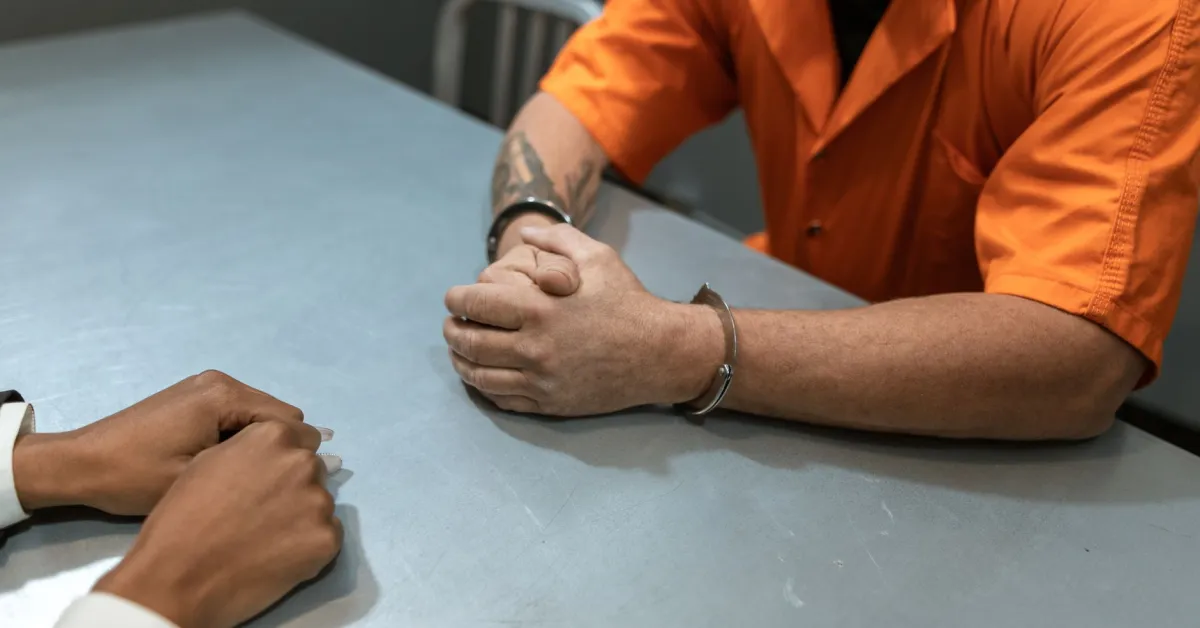
The highly anticipated murder trial of Tupac Shakur commenced this week, capturing the attention of fans and legal observers alike. The proceedings, taking place in a crowded courtroom, spotlight the complex narrative surrounding the rap icon's untimely death in 1996.
During the opening statements, the prosecution outlined their case against the accused, who is said to be connected to the long-standing feud between East Coast and West Coast hip-hop artists. The courtroom was filled with a mix of legal professionals, family members, and media, all eager to witness the unfolding drama surrounding one of music's most enigmatic figures.
The prosecution asserted that Shakur was targeted due to his involvement in the infamous rivalry, which pitted artists against each other in a battle for dominance in the hip-hop scene. They described the events leading up to Shakur's shooting in Las Vegas, emphasizing the tension that had built over years of public disputes and personal animosities.
Key witnesses are expected to provide testimony that could shed light on the circumstances surrounding the shooting. The prosecution hinted at presenting new evidence, including eyewitness accounts and forensic analyses, which they argue will establish a clear motive and connection to the accused. This has raised the stakes for the defense, who must counter these claims with their own narrative.
On the defense side, attorneys maintained the innocence of their client, arguing that the prosecution's case is built on circumstantial evidence and unverified testimonies. They characterized the investigation as flawed and suggested that law enforcement had been more focused on the sensational aspects of the case rather than the facts. The defense plans to challenge the credibility of key witnesses and present alternative theories about the events of that fateful night.
The trial is drawing significant public interest not just because of Shakur's legacy but also due to the cultural impact he had on music and society. Shakur's life and career were cut short at the age of 25, leaving behind a rich catalog of music that continues to resonate with fans around the world. The case has remained open for decades, and many have speculated about the reasons behind the delays in seeking justice.
As the trial progresses, it is expected to delve into the broader issues of violence in the hip-hop industry and the ongoing implications of celebrity culture. The courtroom has become a stage for discussions about fame, rivalry, and the consequences of a lifestyle often romanticized in music.
Legal experts are closely monitoring the proceedings, noting that the outcome could have significant ramifications for how similar cases are handled in the future. The trial reflects a societal shift towards seeking accountability in cases that have long been shrouded in mystery and speculation.
As the opening statements concluded, the atmosphere in the courtroom was palpable, with many anticipating the testimonies that will follow. This trial not only seeks justice for Tupac Shakur but also aims to address the unresolved questions surrounding his legacy and the impact of violence in the music industry.




















Add new comment