

CS Kagwe Explains Causes of Kenya’s Current Milk Shortage
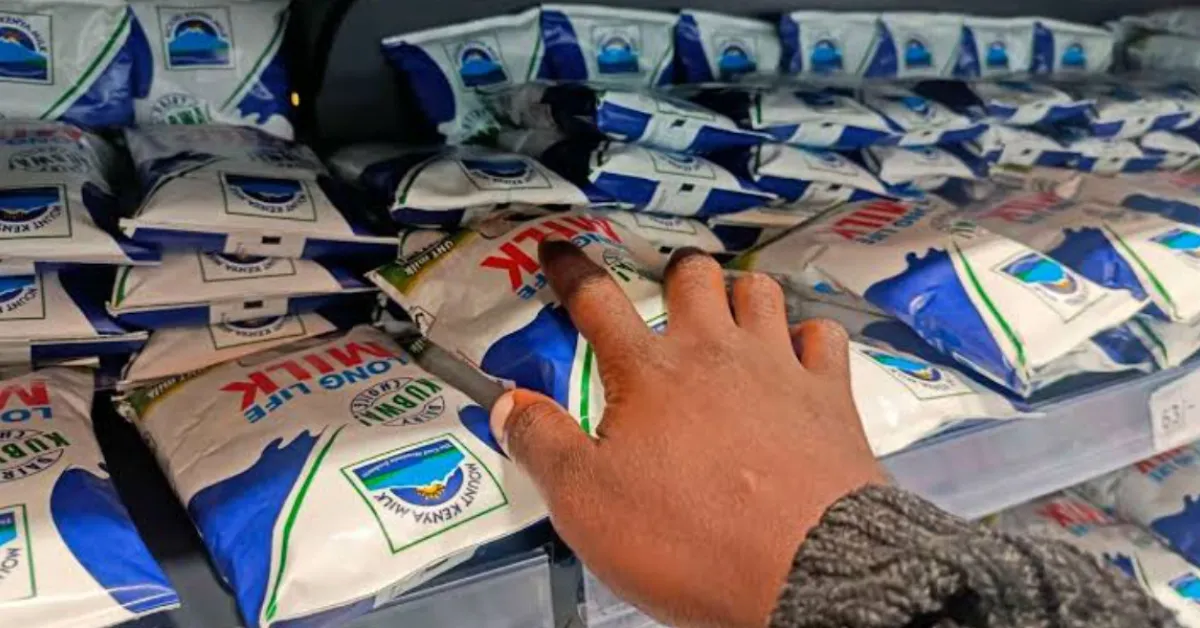
Agriculture Cabinet Secretary Mutahi Kagwe has attributed Kenya’s current milk shortage to drought and increased household stockpiling, saying milk processing has fallen by just over five per cent.
Speaking to senators, Kagwe said prolonged dry conditions had reduced fodder supplies in major dairy-producing areas, affecting milk production. He also said fears of a shortage had led households to buy more milk than usual.
“People who would normally have one or two packets of milk in their houses have now got six or so because of the fear that there is not going to be milk,” Kagwe told lawmakers.
He said the increased household purchases had contributed to the perception of a more severe shortage than the actual decline in supply. Kagwe also pointed to disruptions within the dairy supply chain, saying some farmers were selling milk directly to consumers instead of supplying processors.
He attributed this to dissatisfaction among farmers with cooperatives and companies that had not increased payments in line with rising market prices.
He urged cooperatives to pay farmers promptly and fairly, saying higher prices paid by consumers should result in better returns for producers.
Kagwe said the situation remained manageable and expected rainfall to improve fodder supplies and help restore milk production. He said Kenya also needed to expand fodder farming on large-scale farms and among smallholders. The Cabinet Secretary further called for investment in disease-resistant varieties suited to semi-arid areas.
“The areas that are considered arid and semi-arid are the future of agriculture,” he said.
On milk prices, Kagwe said producer prices were largely determined by supply and demand, although the government had set minimum thresholds to protect farmers.
A Kenya Dairy Board study puts the average cost of producing a litre of milk at Sh36.20 across different production systems, with average profits of Sh9.90 per litre.
Farm-gate prices have since risen to between Sh55 and Sh60 per litre, above the government minimum. Kagwe said lowering production costs was key to improving farmers’ profitability as market prices continued to rise.




















Add new comment