

World Bank Warns El Niño Could Disrupt Kenya’s Growing Season
Kenyan farmers could face difficult growing conditions in the coming months as the World Bank warns that strengthening El Niño conditions may disrupt crop production across parts of East Africa.
In its latest Food and Nutrition Security Update, the World Bank forecasts below-normal agricultural performance in several eastern African countries, including Kenya, Ethiopia, Somalia, South Sudan and Uganda. It attributes the expected decline to irregular rainfall and persistently high temperatures, which could affect crop development and reduce harvests in key farming areas.
The forecast extends beyond Kenya, with the World Bank warning that millions of people across eastern and southern Africa could face worsening food insecurity. By March 2027, about 62 million people in the wider region may require urgent food
assistance if current risks intensify.
The World Bank expects El Niño conditions to strengthen through the latter part of 2026 and continue into early 2027. The weather pattern can increase the risk of drought, extreme heat and heavy rainfall, although its effects vary across countries and regions.
In Kenya, the forecast comes as farmers prepare for the October-November-December short rains, which are important for crop production and the replenishment of pasture. Poor rainfall in areas already affected by food insecurity could reduce household incomes, livestock production and food supplies.
The World Bank said food security risks are being driven by several factors,
including adverse weather, conflict and deteriorating economic conditions. These pressures can reduce the ability of households and communities to cope with additional shocks.
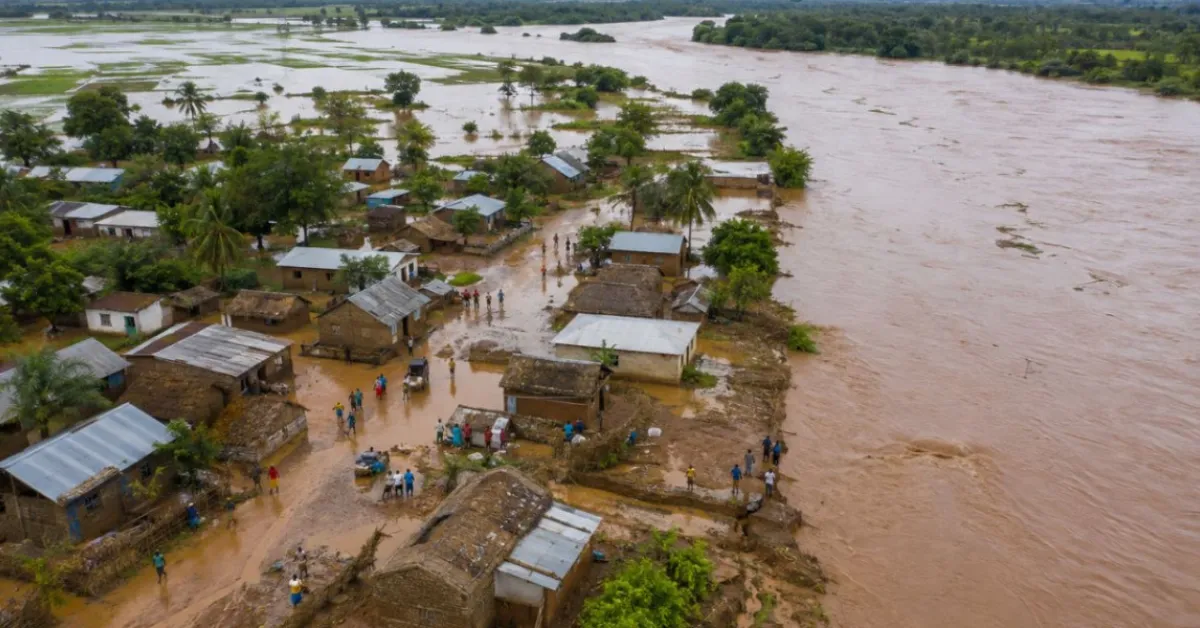
The effects of El Niño are not expected to be the same across East Africa. Some areas could receive above-average rainfall, which may improve crop conditions, water availability and grazing. However, excessive rainfall could also cause flooding, damage infrastructure and displace communities.
Kenya’s meteorological authorities have warned that some parts of the country could receive heavier-than-normal rainfall. The government is therefore preparing for possible flooding while also monitoring the effects that uneven rainfall and high temperatures could have on agricultural production.
Kenya is also expected to receive about KSh51 billion in emergency financing from the World Bank to strengthen its ability to respond to climate-related shocks and other emerging threats. The funding is intended to improve the country’s resilience as extreme weather continues to pose economic and social risks.


















Add new comment