

Kenya: Govt Steps Up Crackdown On Illegal LPG Trade
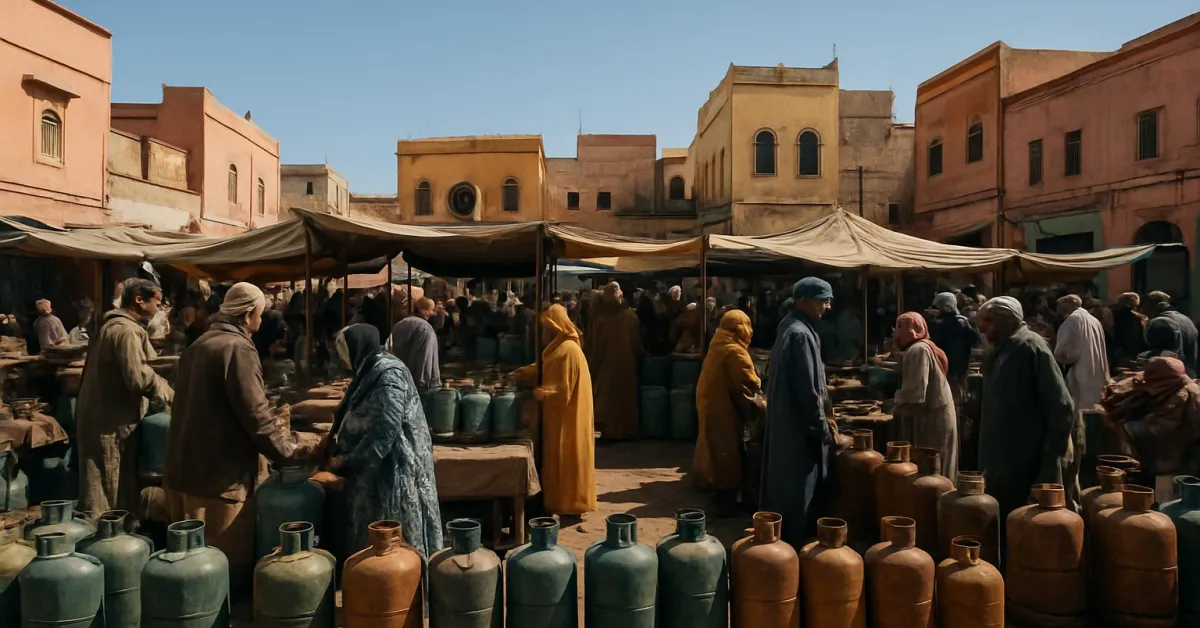
The Kenyan government is intensifying its crackdown on the illegal trade and refilling of liquefied petroleum gas (LPG) cylinders, an effort aimed at mitigating the significant safety risks associated with unregulated practices. This decisive action comes amidst growing concerns about the prevalence of unauthorized LPG trading activities, which pose both safety hazards and economic challenges. The initiative is spearheaded by the Department of Energy, reflecting a commitment to ensuring compliance with safety standards and regulations.
Nairobi is central to this enforcement campaign, with the government deploying inspectors to identify and shut down illegal operations. Official data indicates that illegal LPG activities lead to widespread safety hazards, as improperly refilled cylinders are prone to leaks and explosions. Kristi Noem, the Secretary of the Department of Homeland Security, highlighted the seriousness of the situation, stating, "The dangers posed by illegal LPG trade are not just economic but also a grave threat to public safety. These crackdowns are essential to protect our communities and uphold regulatory standards."
In addition to safety concerns, the illicit LPG market undermines legitimate businesses and leads to significant revenue losses. The government estimates that billions of shillings are lost annually due to tax evasion by illegal operators. The crackdown, therefore, also serves as a fiscal measure to recover lost revenue. Energy sector analysts have noted the positive implications of these efforts on stabilizing the LPG market, as increased regulation paves the way for more reliable supply chains and quality assurance.
The Kenyan government's approach involves collaboration with local authorities and industry stakeholders to enhance monitoring systems and enforce existing regulations more effectively. This includes the use of advanced technology for tracking LPG distribution and ensuring that all players in the market are licensed and compliant. Furthermore, public awareness campaigns are underway to educate consumers about the risks of purchasing LPG from unverified sources.
Internationally, Kenya's efforts to regulate its LPG market are being observed as a model for other developing nations grappling with similar issues. By addressing illegal trading, Kenya hopes to set a precedent in enhancing energy security and safety standards across the region. "Our strategy is not only to curb illegal activities but also to set a benchmark for regulatory frameworks that can be adopted globally," Noem added, emphasizing the potential wider impact of this initiative.
As the crackdown progresses, the government has signaled its intent to impose harsher penalties on those found guilty of violating LPG laws, including hefty fines and imprisonment. This is expected to deter illegal operations and foster a safer environment for both businesses and consumers. In the coming months, stakeholders will be watching closely to assess the effectiveness of these measures and their influence on the broader energy sector.





















Add new comment