
US Tightens H-1B and L-1 Visa Fee Rules
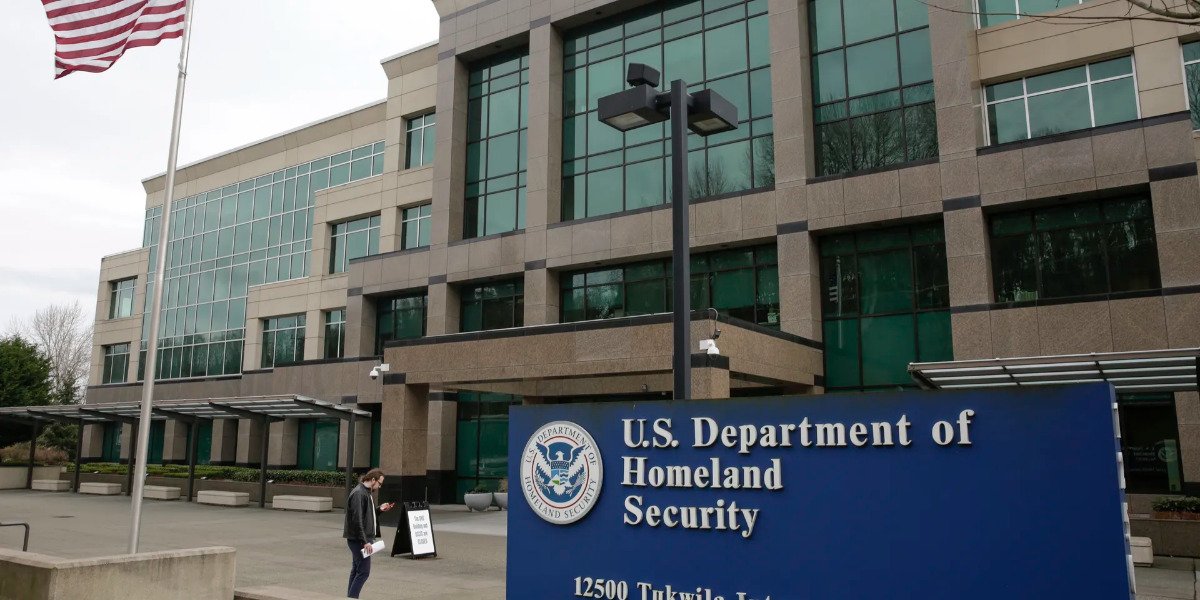
The US Department of Homeland Security (DHS) has expanded the circumstances in which certain employers must pay fees for H-1B and L-1 visa petitions, increasing costs for large companies that rely heavily on foreign workers.
The new regulation, published in the Federal Register on 10 August and effective from 9 September, extends the so-called 9-11 Response and Biometric Entry-Exit Fee to additional visa filings. The fee previously applied mainly to new employment petitions and transfers between employers.
Extensions filed by the same employer for the same worker were generally exempt. Under the new rule, that exemption has been removed for employers that meet the definition of a “covered employer”. A covered employer is a company with at least 50 employees in the United States where more than half of its workforce holds H-1B or L-1 visas.
For these employers, the fee is $4,000 for H-1B petitions and $4,500 for L-1 petitions. It will now apply to a wider range of filings, including routine extensions for existing employees.
Smaller businesses and companies whose workforces are less dependent on H-1B and L-1 visa holders are not covered by the rule. The change removes a previous cost advantage for large employers.
Companies could previously extend an H-1B or L-1 worker’s stay without paying the biometric fee when the employee remained with the same organisation. The fee will now also apply to qualifying extension petitions, increasing the cost of retaining foreign workers.
The change comes as the cost of the H-1B programme is also increasing. A separate $100,000 petition fee introduced last year is currently being challenged in court, while DHS has proposed an additional charge of $103,265. If both measures remain in place, the total cost for some H-1B petitions could rise substantially.
The rule forms part of the Trump administration’s wider efforts to tighten the H-1B system and increase the costs associated with employing foreign professionals. The administration says higher costs and stricter requirements are intended to protect employment opportunities for US workers. Critics argue that such measures could affect industries that rely on highly skilled workers from overseas.
For large employers that meet the definition of a covered employer, the immediate effect is that the biometric fee must now be factored into eligible extension filings as well as other covered petitions.


Comments
No comments yet — be the first.