

Inside Parliament's probe into secondary school fees and capitation
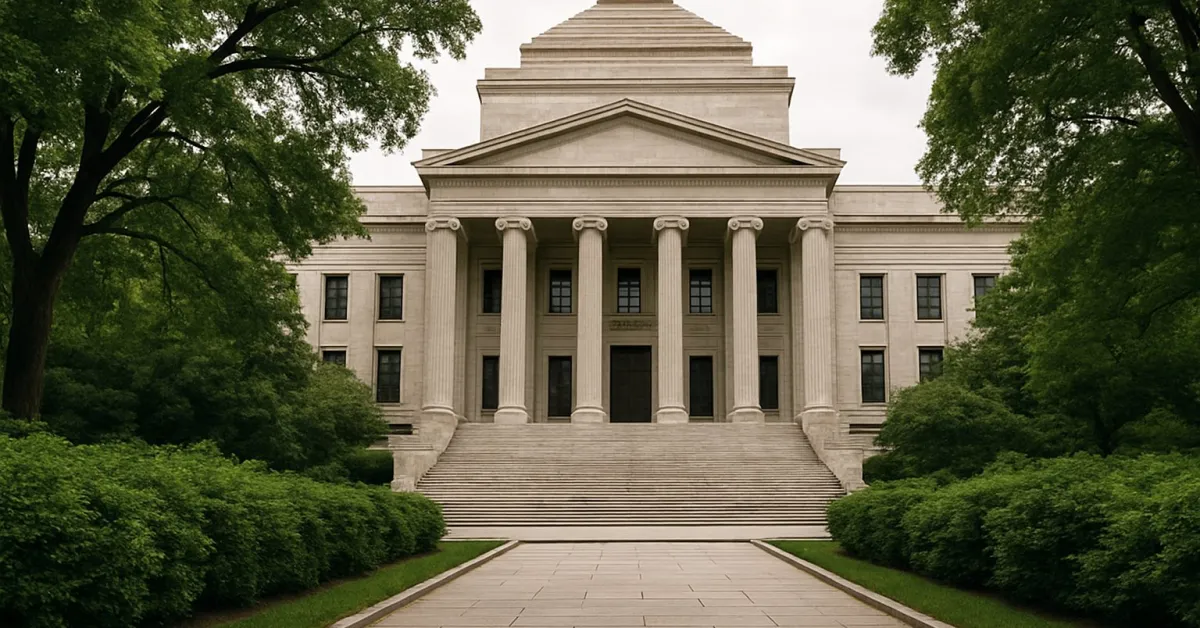
In Kenya, a parliamentary investigation has been launched into the disparities between the government’s capitation disbursements to secondary schools and the actual number of students these funds are intended to support. Concerns have been raised by several members of parliament regarding the noticeable gap between the funds allocated and the requirements of the schools, which principals claim has resulted in significant underfunding.
The capitation policy, designed to ensure equitable distribution of resources to secondary schools based on student numbers, is under scrutiny for its implementation. Principals have expressed that the funds received do not align with the actual student populations, suggesting discrepancies in the reporting or distribution mechanisms. This has led to financial constraints, impacting the schools' ability to provide for their students adequately.
Legislators have suggested that these misalignments might be due to outdated data or inefficiencies within the capitation distribution framework. The need for a revised system that reflects accurate student enrollment figures has been emphasized to prevent further financial shortfalls in the educational sector. This probe is particularly significant as education remains a critical factor in Kenya's development trajectory.
The parliamentary committee involved in this investigation is tasked with uncovering the root causes of these discrepancies and recommending solutions that will ensure that schools receive appropriate funding. The findings of this probe could lead to necessary reforms in the capitation policy, which may have implications not only for Kenya but also for other developing nations experiencing similar challenges in educational funding.


















Add new comment