
US Foreign Workers Could Be Forced to Leave Immediately After Losing Jobs
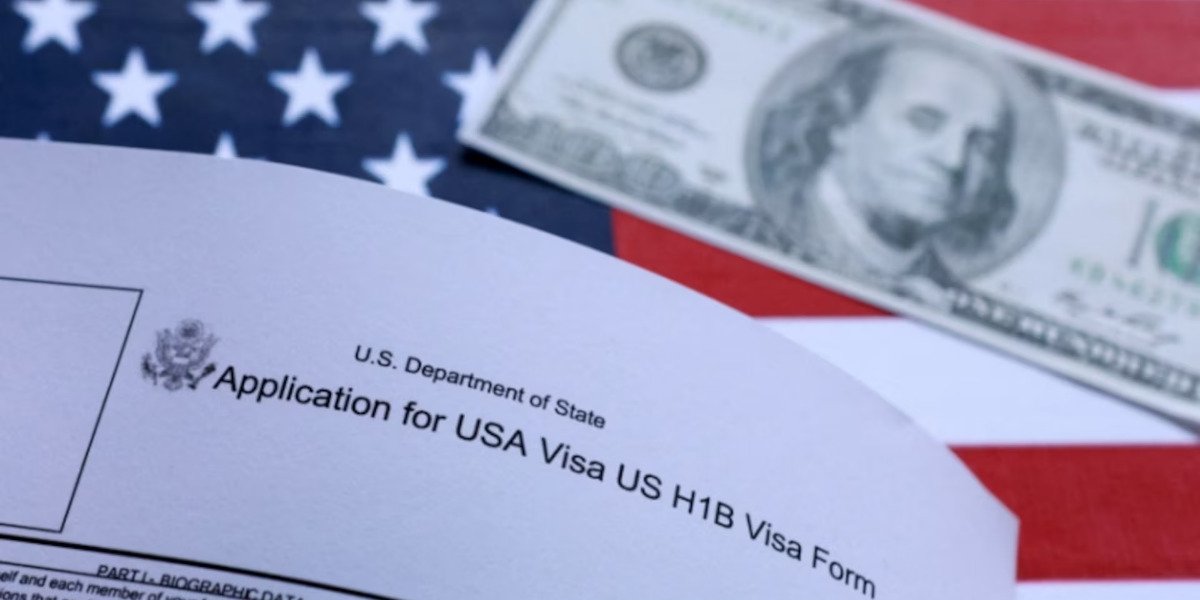
The Trump administration has proposed ending the 60-day grace period for skilled foreign workers who lose their jobs in the United States, requiring them to leave the country when their employment ends.
The measure, signed by Department of Homeland Security (DHS) Secretary Markwayne Mullin and due to be published in the Federal Register on 11 September, would require visa holders to leave the US immediately after their employment is terminated. Their non-immigrant status would effectively end the following day.
The grace period was introduced in 2017 under President Barack Obama. It gave workers on employment-linked visas time to find a new sponsor, extend their immigration status or make arrangements to leave the country. Employers also benefited from the policy because it made job changes easier and reduced disruption to their workforces.
DHS says removing the grace period would restore a direct link between employment and immigration status and reduce the administrative burden involved in handling such cases. The department said it expects employers either to offer the same positions to equally qualified US workers or to file an I-129 petition when they need to retain a foreign worker.
The proposal comes as the administration moves towards tighter immigration rules. In recent months, visa processing has been suspended for some major technology companies, significantly higher H-1B fees have been proposed, and visa appointment delays have been reported worldwide.
DHS estimates that more than 65,000 workers used the grace period between 2021 and 2025 after losing their jobs or changing employers. Without the protection, workers could be required to leave the US immediately after their employment ends, at a time when layoffs linked to automation and artificial intelligence are affecting parts of the labour market.
The proposal would affect more than H-1B workers. Dependants on H-4 visas, as well as holders of L-1, O-1, TN and other employment-based classifications, would also lose the same transitional protection. DHS has separately indicated that it intends to restrict work permits for some dependants, reversing policies that had provided greater stability for some families.
Adam Klein, a former DHS official, said the change could shift administrative work rather than reduce it. A worker who loses a job could have to leave the country, find a new position from abroad, complete another immigration process and potentially return to the US.
Business groups have also raised concerns about the effect on workforce flexibility. Neil Bradley of the US Chamber of Commerce said the administration should consider the consequences for businesses and US competitiveness, noting that the grace period had helped reduce disruption when workers changed jobs.
The National Foundation for American Policy has reported a significant decline in visa approvals for major technology companies. Approvals fell by more than a third in the latest fiscal year compared with 2024 and by 70 per cent compared with 2015. The proposal will be subject to a 60-day public comment period. DHS will then decide whether to issue a final rule.




Comments
No comments yet — be the first.