


Serbia's Vucic Concedes Election Defeat to Student-Led Protest Movement
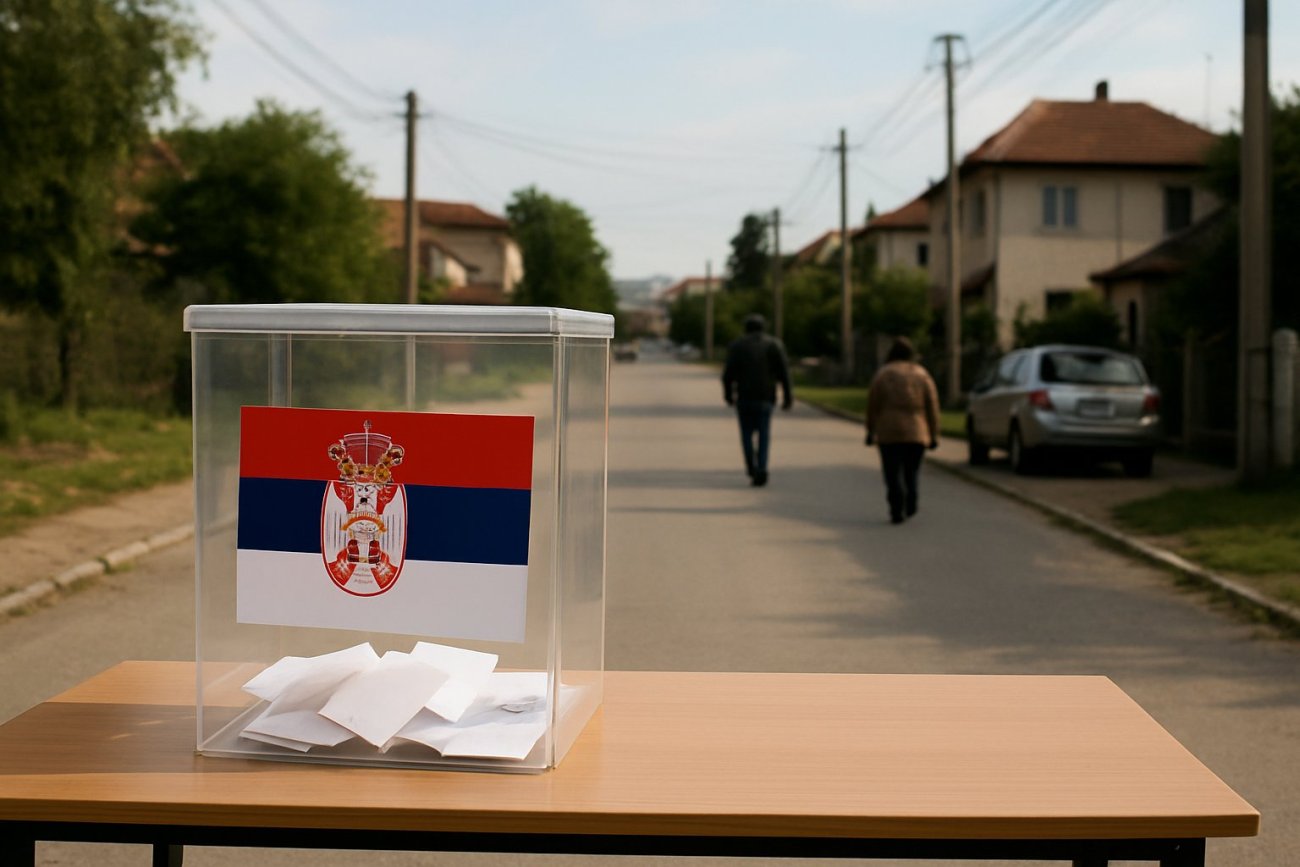
BELGRADE, Serbia — Aleksandar Vučić, Serbia's populist right-wing leader of 12 years, has conceded defeat in parliamentary elections to a student-led protest movement, saying it was "clear" his party had lost the vote and acknowledging the collapse of 14 years of political dominance.
The election, held in the Balkan country whose capital is Belgrade, had been billed as a referendum on the nation's future. Celebrations broke out across Serbia after Vučić's concession, as crowds gathered to mark the fall of a leader who had controlled Serbian politics for more than a decade.
Vučić, who has been the country's dominant ruler since 2014 and whose Serbian Progressive Party has anchored every government since 2012, told the public that his movement's defeat was beyond doubt. His acknowledgment opened the way for a student-led protest movement, which did not exist as a political force two years ago, to take control of parliament.
The movement's rise was extraordinarily rapid. In just under two years, students succeeded in tearing up more than a decade of Vučić's dominance, converting campus outrage into a nationwide mobilization and finally into electoral victory.
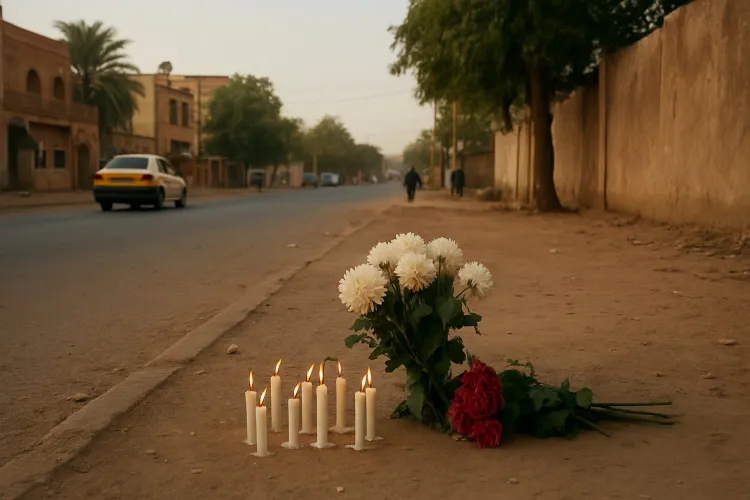
The protests began in November 2024, after a concrete canopy collapsed at the recently renovated railway station in Novi Sad, the capital of Serbia's northern Vojvodina province, killing 16 people. Students at universities across the country blamed the deaths on corruption and shoddy work tied to politically connected contractors, and they turned that anger into a sustained national uprising.
Organized largely without traditional party structures, the students occupied university faculties for months, refusing to attend classes until their demands were met. Their protests took the form of daily street blockades, cycling marathons between cities, and silent vigils held for 15 minutes at a time in honor of the Novi Sad victims. The demonstrations grew into the largest Serbia has witnessed since 2000, when mass protests swept former strongman Slobodan Milošević from power.
The movement's central demands centered on accountability for the station deaths, the prosecution of those responsible for attacks on protesters, and the release of detained demonstrators. Vučić's government initially dismissed the students as foreign-backed saboteurs, but the accusations failed to halt the protests, which drew support from farmers, actors, judges and ordinary citizens exasperated by corruption, low wages and emigration.
Vučić, a veteran of Serbia's turbulent post-communist politics, began his career as information minister under Milošević in the late 1990s, when he enforced repressive media laws during the Kosovo war. He later recast himself as a pro-European reformer, serving as prime minister from 2014 to 2017 before becoming president in 2017. His Serbian Progressive Party dominated every national election during that period, and critics accused him of capturing state institutions, pressuring media and skewing the electoral playing field — charges he consistently denied.
Under Vučić, Serbia pursued European Union membership while maintaining close ties with Russia and China, and he presided over a period of relative economic stability paired with growing public frustration over corruption and governance. Those tensions exploded into the open after the Novi Sad disaster, and successive waves of protest steadily eroded his authority.
Faced with an unrelenting protest movement, the country was pushed toward early parliamentary elections, which were framed by both sides as a decisive verdict on Vučić's rule. The student-led movement transformed itself into an electoral force for the contest, and the result ended the Serbian Progressive Party's long hold on power.
Attention now turns to the formation of a new government in Belgrade. Vučić himself holds the presidency, a post to which he was re-elected in 2022 and which he has occupied since 2017, but the parliamentary defeat strips his party of control of government and ends the longest stretch of single-party dominance in Serbia since Milošević's ouster.
The students who began with silent vigils for 16 dead railway passengers now hold the mandate to govern, having achieved in under two years what established opposition parties failed to accomplish across three successive national election cycles during Vučić's tenure.

Comments
No comments yet — be the first.