

US Strikes in Iran Stir International Tensions Amid Claims of Civilian Harm
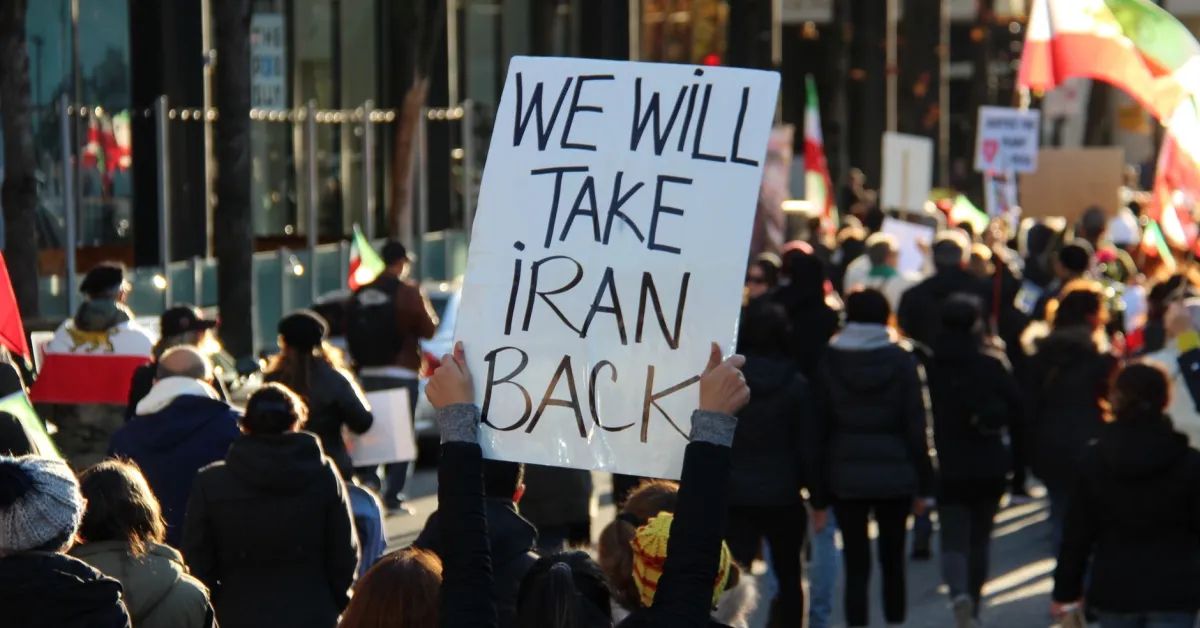
The United States has conducted a series of military strikes in Iran, a development that has sparked significant international concern as it reportedly targeted civilian infrastructure. Tehran has accused the U.S. of striking bridges and causing casualties, claims which have been echoed by Iranian social media and local sources. This escalation comes amid ongoing tensions between the two nations, with the U.S. asserting that it acted in defense of its interests in the Middle East.
U.S. Secretary of Defense Pete Hegseth stated that the military operations were necessary to protect American personnel and allies in the region. "We must take decisive action to deter aggression and ensure stability," Hegseth emphasized in a statement. However, the Iranian government has condemned the strikes, highlighting the alleged damage to civilian infrastructure as a breach of international law and humanitarian norms.
According to reports from Tehran, the strikes have resulted in damage to key bridges, which are vital for local transportation and trade. Iranian official media have reported casualties, though specific numbers remain unconfirmed. The Pentagon has maintained that their operations were targeted and aimed at specific threats, denying any intentional harm to civilian areas. These developments have raised concerns among global leaders, prompting calls for restraint and dialogue.
Secretary of State Marco Rubio has reiterated the United States' commitment to safeguarding international waterways, particularly in strategic locations such as the Strait of Hormuz. "We will not tolerate any attempts to disrupt the free flow of commerce," Rubio declared, referencing the recent boarding of a ship in the strait by U.S. forces. This move has further intensified the already fraught relations with Iran, which views the American military presence as provocative.
As the situation unfolds, international observers are closely monitoring the potential for escalation. The United Nations has urged both parties to engage in diplomatic negotiations to prevent further conflict. The impact of such tensions extends beyond the immediate region, with implications for global oil markets and international security. Developing nations, particularly those reliant on Middle Eastern oil, are watching with concern as prices fluctuate amidst the uncertainty.
The current climate of unrest in the Middle East underscores the delicate balance of geopolitical interests, with the potential for significant repercussions on global stability. As the international community calls for de-escalation, the focus remains on the actions of key players and their willingness to pursue peaceful resolutions.












Add new comment