
Kenya Faces Maize Shortage as Prices Hit New Highs
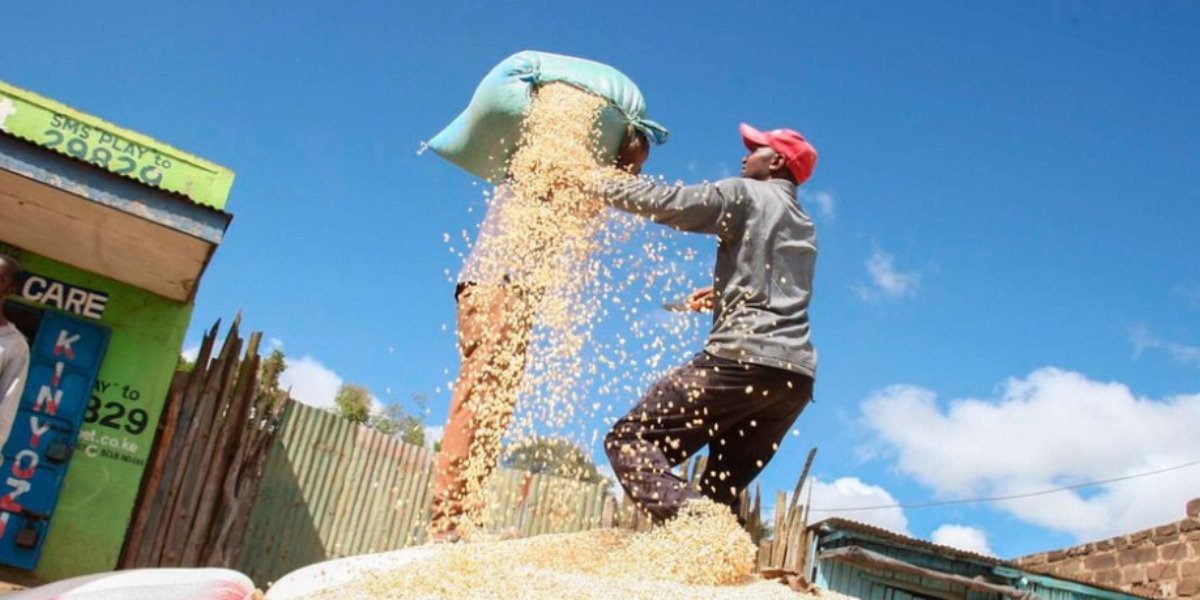
Kenya’s maize prices have climbed sharply, giving farmers higher returns as millers and the National Cereals and Produce Board (NCPB) compete for limited supplies.
The price of a 90kg bag has risen from Sh2,800 to Sh3,200 within a month, with some millers offering up to Sh3,600. The NCPB has set its purchase price at Sh3,500 as it aims to buy two million bags for the National Strategic Food Reserve. Despite these offers, only 80,000 bags have been delivered in recent weeks.
NCPB Corporate Communications Manager Titus Maiyo said deliveries remain slow but encouraged farmers to take advantage of the current rates. The increase in prices comes as the government expects a strong harvest of about 70 million bags, up from 67 million last year, helped by subsidised fertiliser.
Agriculture Cabinet Secretary Mutahi Kagwe said 21.3 million bags of fertiliser worth Sh53.25 billion have been issued, with plans to expand support next season. Millers, however, warn that demand pressures persist, citing early warning reports listing Kenya among global hunger hotspots amid poor rainfall forecasts and growing competition for resources.
Kenya National Bureau of Statistics data shows the country has brought in nearly 300,000 tonnes of maize annually over the past five years. Uganda and Zambia have increased exports to Kenya, while Tanzania’s sales have fallen due to export limits.
Millers are urging the government to harmonise county levies to ensure smoother cross-border movement of maize. In contrast, the wheat sector is experiencing a steady decline. Once Kenya’s second most important cereal, wheat has been hit by unstable markets, disease pressure, and changing weather patterns.
Acreage dropped from 119,600 hectares in 2022 to 104,400 hectares in 2023, while production fell from 368,700 tonnes to 309,500 tonnes. Farmers in Uasin Gishu and other Rift Valley regions are shifting to maize, horticulture, and dairy, citing high input costs and uncertain returns.
Farmer David Sang from Sergoit said frequent weather changes, disease outbreaks, and volatile prices have made wheat production increasingly risky.
The impact is already reaching consumers. Millers are paying Sh4,800 per 90kg bag, a figure farmers say does not cover production costs.
Bread prices have risen by up to 16 percent, with a standard 400g loaf now selling at Sh70. Global demand for wheat and climate-related disruptions in major exporting regions have added further pressure to supplies. Experts warn that without investment in disease-resistant varieties and climate-tolerant technologies, Kenya’s wheat industry faces continued decline.






Comments
No comments yet — be the first.