
Why Kerarapon Is Emerging as a Cheaper Alternative to Karen
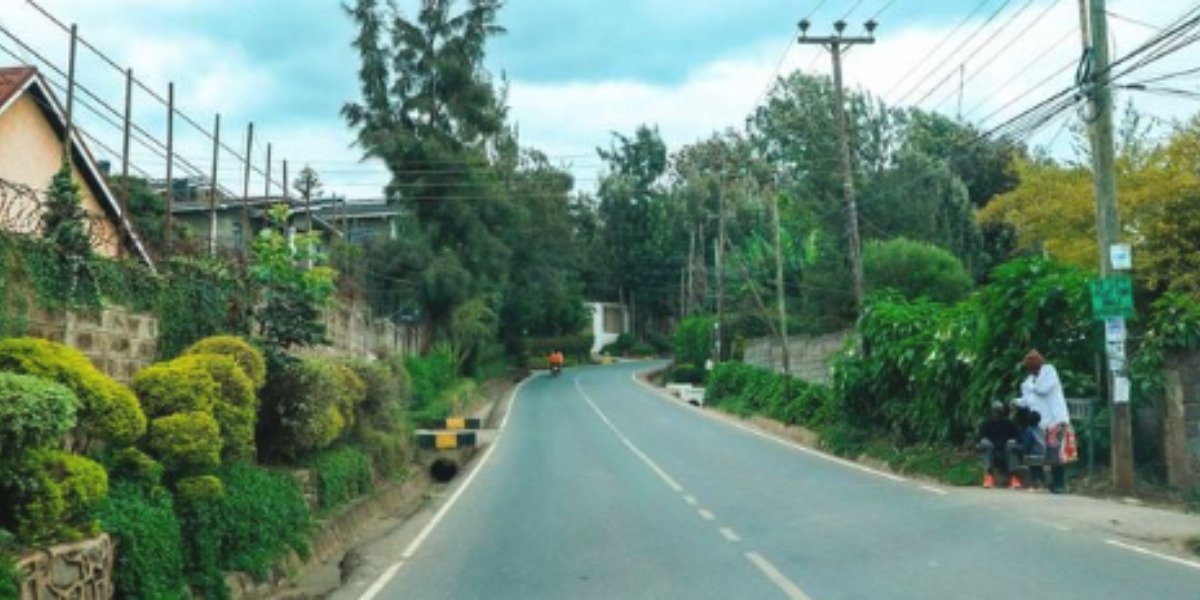
Kerarapon is experiencing a sharp rise in residential development, with flexible zoning laws and competitive land prices drawing increased interest from developers, professionals, and diaspora investors.
Once a quiet area neighbouring Karen, Kerarapon, located in Kajiado County, has become one of Nairobi’s fastest-growing residential zones. Its appeal is largely driven by less restrictive land regulations. While Nairobi County enforces a minimum half-acre plot size in areas like Karen, Kerarapon permits smaller holdings, typically a quarter-acre, with some parcels even subdivided to one-eighth of an acre.
This flexibility has broadened access to home ownership for buyers priced out of more exclusive suburbs. The result is a varied real estate market where standalone homes dominate, and rental properties are increasing. Most homes sit on quarter-acre plots, catering to middle- and upper-middle-income buyers seeking privacy and space.
The area also attracts tenants moving away from high-rise neighbourhoods such as Kilimani and Kileleshwa. A modern three-bedroom house in Kerarapon rents for about Sh150,000 per month, roughly half the price of a similar home in Karen.
Despite rapid development, Kerarapon retains elements of its semi-rural past.
A narrow tarmac road connects the neighbourhood, with local shops and small businesses lining its edges. Unlike Karen, which has limited retail to preserve its exclusive atmosphere, Kerarapon has embraced local commerce, encouraging a more self-sufficient community.
Long-time residents have witnessed the transformation. Dr Mary Okoth, who moved to the area in 2009, recalls its countryside feel and minimal development. She purchased land for Sh12 million; today, similar plots are valued at around Sh40 million. However, the peace that once defined the area is now interrupted by ongoing construction and new housing projects.
Newer residents are attracted by the balance of affordability and lifestyle. Kingston Gitonga, who bought a quarter-acre plot for Sh36 million, says the location offered the greenery and calm associated with Karen, but at a more accessible price. His property includes a five-bedroom house with a garden, and he reports steady appreciation in value.
Land prices in Kerarapon remain significantly lower than those in Karen. An acre typically sells for about Sh60 million, compared to between Sh80 million and Sh130 million in Karen. Quarter-acre plots are the most common, with the rare eighth-acre plot priced between Sh7 million and Sh9 million.
Real estate agents confirm that demand continues to grow. Pharex Eradion of Karen Village Commercial Spaces notes that buyers are increasingly turning to Kerarapon to escape Nairobi’s congested rental market. Although gated communities are still limited, with only four currently existing, developers are now targeting larger parcels for townhouse developments and mixed-use projects.
The area has also seen improvements in infrastructure. Proximity to international schools and healthcare facilities has added to its appeal, although traffic remains a concern. Residents are awaiting the full expansion of Ngong Road to ease congestion during peak hours.
However, zoning issues remain a point of contention. While the local residents’ association supports low-density development to preserve the suburb’s character, some investors have faced resistance when proposing high-rise or multi-unit buildings.






Comments
No comments yet — be the first.