

Iran War Disrupts Kenya’s Billion-Shilling Meat Export Market
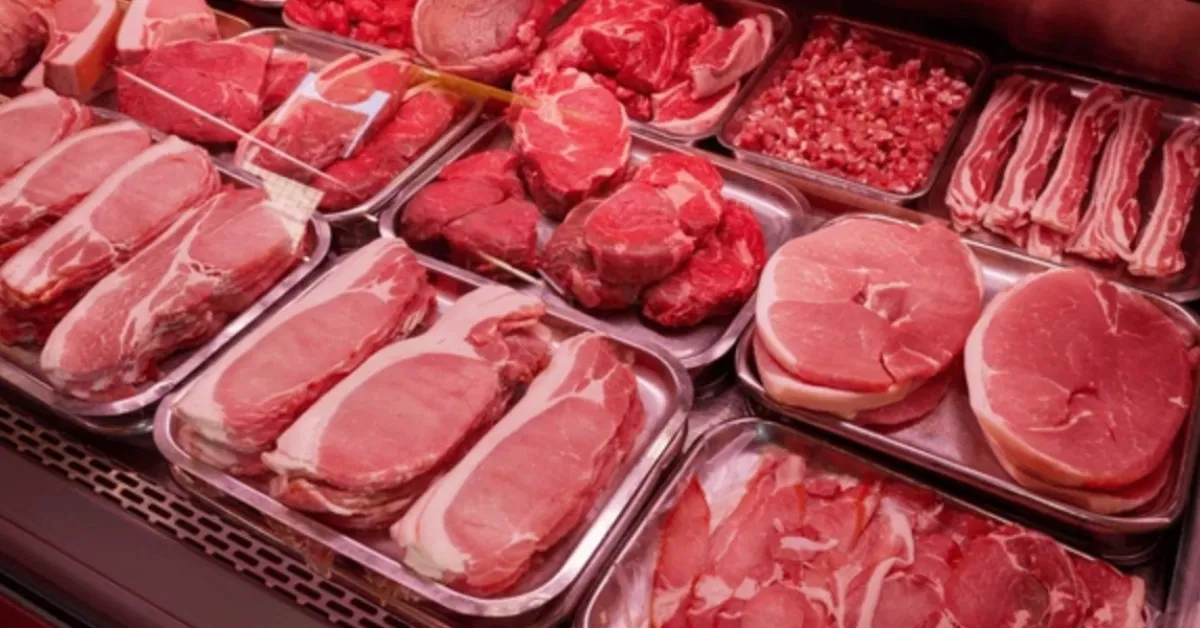
Kenya’s agricultural exports are facing delays and suspensions, with meat and animal products worth around Sh300 million weekly affected by disrupted trade routes.
Agriculture Cabinet Secretary Mutahi Kagwe said the conflict involving Iran is already impacting shipments. Exporters have reported losses since cargo flights to Gulf states were halted on 1 March due to escalating Iran–Israel hostilities. Mr Kagwe added that the government is seeking alternative markets to reduce the impact on farmers.
“We are exploring new markets, especially for meat, as some of our current ones are being disrupted,” he said during an event in Nyeri, expressing confidence that new opportunities could offset the setbacks.
The tea sector is also affected by regional instability. Iran, previously a major buyer of Kenyan tea, imposed a ban in 2024 following a quality dispute. A joint committee was formed last year to resolve the issue, but progress has stalled amid worsening geopolitical tensions.
The Tea Board of Kenya estimates that exports to Iran in 2024 totalled 13 million kilogrammes, valued at Sh4.26 billion. Kenya’s Dubai hub, which blends and distributes tea across the Middle East, remains a key point for trade but is vulnerable to disruptions in Red Sea shipping routes.
Domestically, the government has increased efforts to support production. Fertiliser subsidies have been expanded, with Sh8 billion allocated in the supplementary budget. Since December, three million bags of fertiliser have been distributed, with an additional 1.5 million expected before the planting season.
Mr Kagwe acknowledged delays caused by logistics and late supplier payments but assured farmers that corrective actions are underway. Authorities have also strengthened regulatory oversight.
Seventy-seven harmful pesticides have been banned, and the use of chemicals already prohibited elsewhere has been restricted. The government is promoting organic alternatives in collaboration with pyrethrum processors, signalling a move towards safer and more sustainable farming practices.













Add new comment