

Floods Expose Hidden Structural Weaknesses in Kenya’s Real Estate
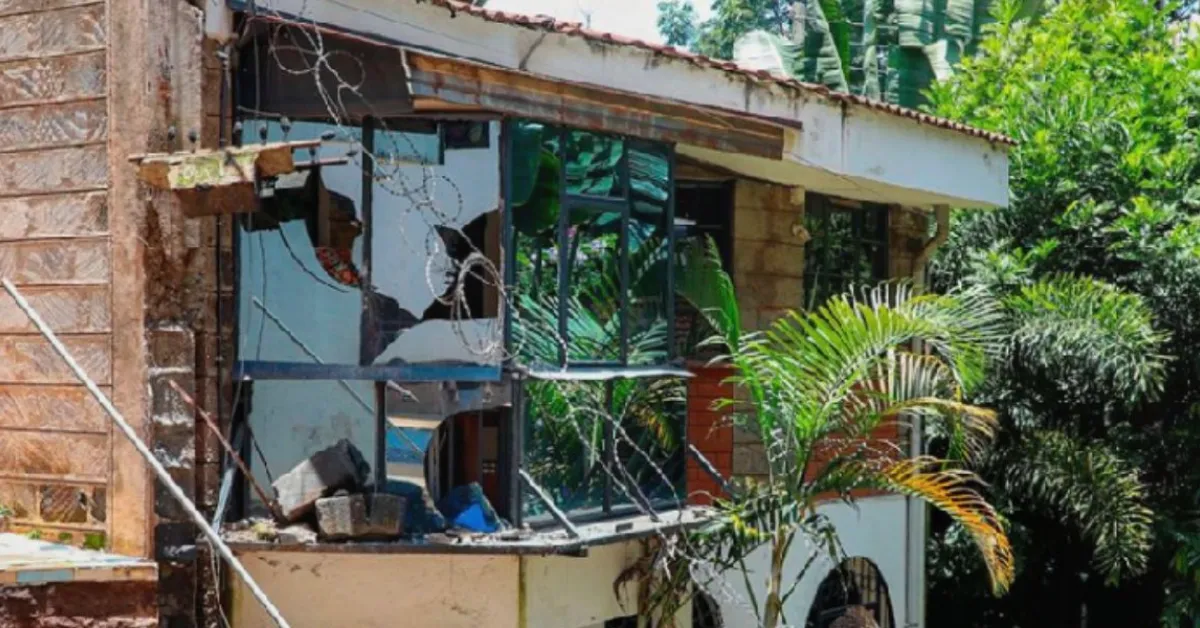
Weeks of sustained rainfall have caused severe flooding across Nairobi, damaging homes, disrupting transport, and leading to structural failures in several buildings.
Streets have been submerged, residential areas inundated, and some structures have collapsed after prolonged exposure to water. Engineering experts state that buildings should remain structurally stable in adverse weather.
Professor Siphila Wanjiku, Dean of the Faculty of Engineering at the University of Nairobi, explains that when water enters walls and foundations, it weakens construction materials. This can result in cracks, shifting, and, in severe cases, collapse. Surface repairs such as repainting do not resolve underlying structural damage.
The issue extends beyond individual buildings to the broader urban system. Architect and sustainability consultant Stephen Lutta notes the lack of an integrated master plan linking housing with drainage, sewerage, and waste management. In many cases, developments block natural water flow, overwhelming drainage systems.
Poor waste disposal further restricts water channels, increasing the risk of flooding.
Construction standards are also a concern. Lutta observes that some projects are carried out by unregistered practitioners who overlook environmental conditions, including building on low-lying land.
He adds that even well-designed structures remain vulnerable if the surrounding infrastructure is inadequate. He contrasts Nairobi with cities such as Kuala Lumpur, which experience higher rainfall but have invested in extensive drainage systems and effective waste management.
Flooding is also affecting the property market. Eric Nyadimo, President of the Institution of Surveyors of Kenya, says that investors are increasingly avoiding flood-prone areas, reducing land value. Soil conditions add further risk. Clay soils retain water, while loose volcanic soils in areas such as Naivasha and Kajiado can weaken foundations if not properly managed.
Nyadimo identifies drainage as a critical but often neglected aspect of urban development. He notes that flooding frequently occurs because drainage systems cannot move water quickly enough, rather than due to rainfall alone. Nairobi was historically built on swampy ground, and earlier measures, including planting water-absorbing trees, helped manage excess water. Rapid and uncoordinated development has since reduced this capacity.








Add new comment