
Ruto Turns to Kithure Kindiki in Strategic Push to Reclaim Mt Kenya Support
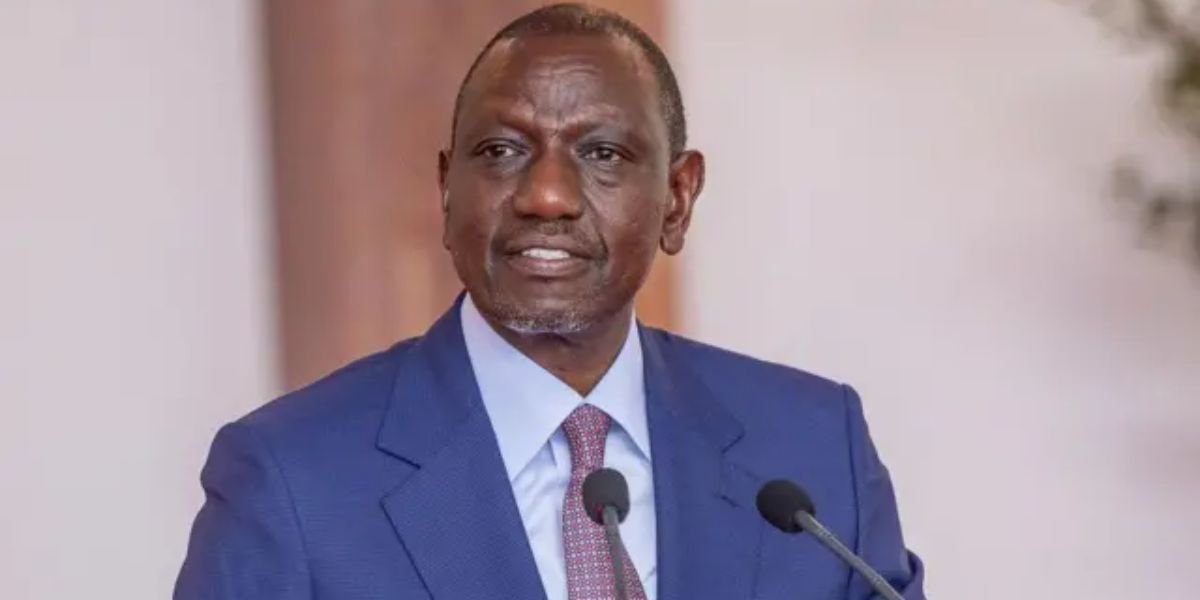
President William Ruto is reorganising his political network in the Mt Kenya region to strengthen support ahead of the 2027 election.
The move reflects efforts to stabilise a key voting bloc that was central to his 2022 victory but has recently shown signs of dissatisfaction. At the same time, criticism from his former deputy, Rigathi Gachagua, has gained traction across several counties, adding pressure on the administration.
Deputy President Kithure Kindiki has taken on a leading role in this reorganisation. Previously regarded as a low-profile technocrat, he now coordinates a structured team of politicians, technocrats, and party officials working to reinforce the President’s presence in the region.
His cautious approach and consistent loyalty have attracted public support from the President, prompting speculation about his position in the 2027 ticket. During recent visits to Murang’a and Tharaka Nithi, the President publicly endorsed Kindiki’s leadership, indicating a departure from the strained relationship that marked his earlier partnership with Gachagua.
The strategy combines political outreach with an emphasis on development. The administration is highlighting progress in infrastructure, healthcare, and energy projects to align government delivery with its political messaging.
Cabinet Secretaries Geoffrey Ruku and Alice Wahome, together with Principal Secretaries Alex Wachira and Mary Muthoni, have been tasked with linking policy initiatives to grassroots engagement. Former Trade Cabinet Secretary Moses Kuria, now serving as an economic adviser, continues to mobilise specific groups, including the Akorino community, reflecting a targeted approach alongside broader efforts.
Several regional leaders have also taken on active roles. Kirinyaga Governor Anne Waiguru has renewed her support for the government, while National Assembly Majority Leader Kimani Ichung’wah manages messaging within Parliament. Embu Governor Cecily Mbarire, in her capacity as UDA national chairperson, oversees party organisation in the region.
Together, they form part of a coordinated effort to counter Gachagua’s influence and the emergence of his Democracy for the Citizen’s Party. Kindiki’s engagements at the local level follow a structured format similar to the President’s campaign approach before the 2022 election.
Meetings bring together clergy, professionals, youth representatives, and business leaders. His message centres on the argument that backing the President in 2027 could position the region for a presidential bid in 2032. He has framed this as a strategic choice between maintaining political continuity or risking a longer delay in achieving that goal.
However, analysts indicate that the reorganisation may not fully reduce Gachagua’s support. Multimedia University lecturer Prof Gitile Naituli notes that while Kindiki’s measured tone towards his rival is tactically considered, existing political attitudes in the region may prove difficult to change.
The situation is further complicated by the President’s engagement with the Orange Democratic Movement, which could alter national alliances but may also affect expectations within Mt Kenya.

Comments
No comments yet — be the first.