
Kenyan Diaspora in the US Affected by Delays in Visa Processing Amid Heightened Demand
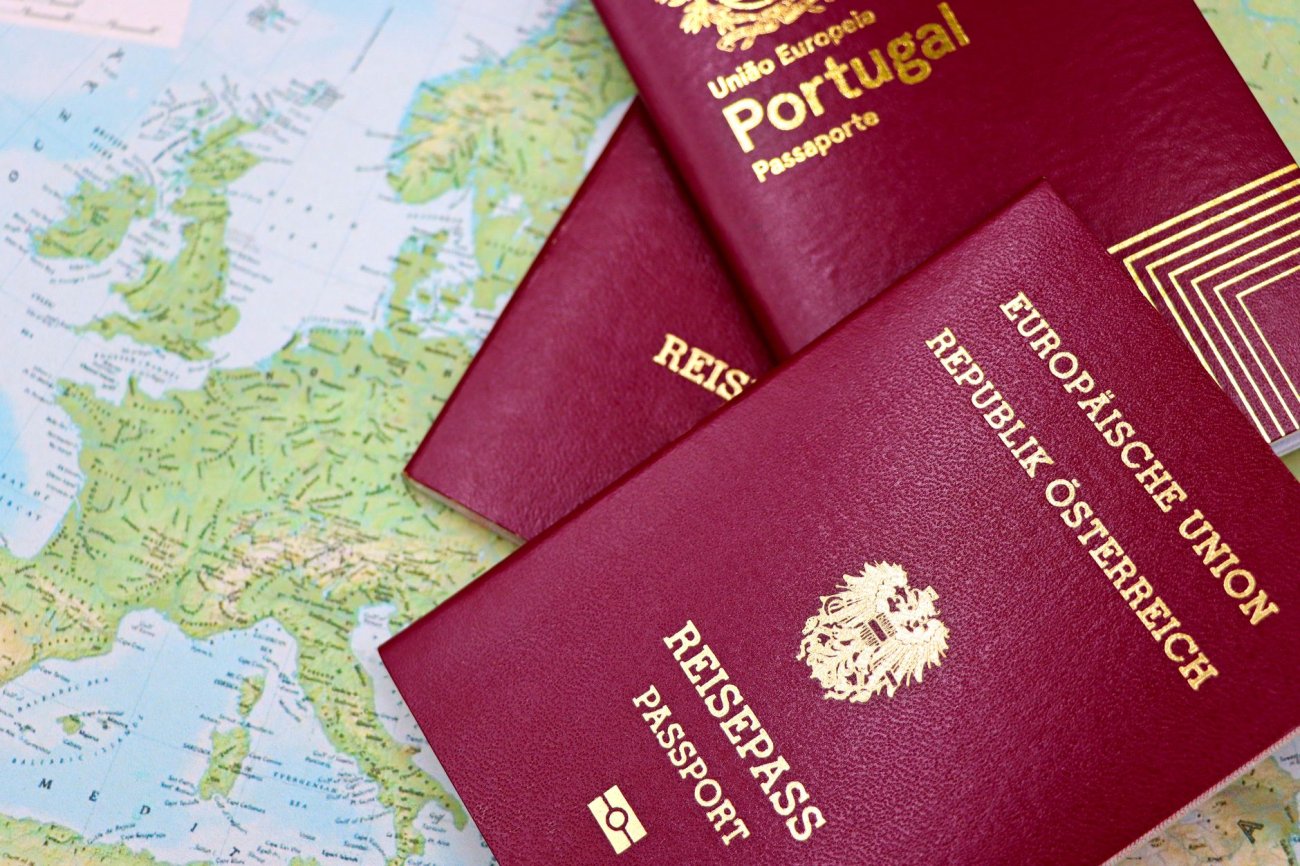
Kenyan nationals in the United States are facing significant challenges as immigration officials grapple with increased demand for visa renewals and work permits. The U.S. Citizenship and Immigration Services (USCIS) recently reported a backlog of over 1.5 million applications, complicating matters for immigrants seeking to extend their stay or gain new employment opportunities.
Kenya's Ambassador to the United States, Lazarus Amayo, emphasized the importance of efficient processing for the Kenyan community, which numbers over 130,000 according to the Migration Policy Institute's 2025 data. "The Kenyan diaspora is a crucial part of our bilateral relations," stated Ambassador Amayo in a recent address to the Kenya Diaspora Alliance. "We are actively engaging with U.S. officials to address these delays and ensure our citizens can continue to contribute positively to both economies."
Notably, the delays are impacting those on temporary visas such as the H-1B and L-1, with processing times extending beyond six months, compared to the usual three to four months. This has led to uncertainty among employers and employees alike. According to USCIS guidance updated in March 2026, priority is being given to applications filed under the Premium Processing Service, which costs an additional $2,500, allowing for a 15-day service.
Secretary Alejandro Mayorkas of the U.S. Department of Homeland Security acknowledged the situation in a press briefing, stating, "Our agency is committed to reducing wait times and improving the efficiency of our services. We are implementing measures to address the current backlog and expedite processing where possible."
The delays have also affected the processing of family-based visas, complicating travel plans for families planning to reunite for events and emergencies in Kenya. The Kenya Embassy in Washington D.C. has advised affected individuals to check the Embassy's website for detailed guidance and resources.
Kenya Diaspora Alliance's Chairman, Dr. Shem Ochuodho, highlighted the emotional toll on families separated by the prolonged processing times. "We are receiving numerous concerns from families distressed by the slow pace of visa approvals," Dr. Ochuodho remarked during a recent press conference. "It is imperative that we continue to advocate for our community's needs and seek timely solutions."
For those facing urgent travel needs, the USCIS has recommended utilizing the Emergency Travel Document provisions under the Advance Parole process, although this too has seen increased demand. Applicants are encouraged to prepare comprehensive documentation to support their requests.
Amid these challenges, the Kenyan community in the U.S. is urged to remain informed of their application status through the USCIS online portal and to seek assistance from community organizations offering legal advice and support services. For more information, the USCIS website (www.uscis.gov) provides regular updates on processing times and application procedures.




Comments
No comments yet — be the first.