
Europe's Record Heatwave Exposes Severe Climate Vulnerabilities
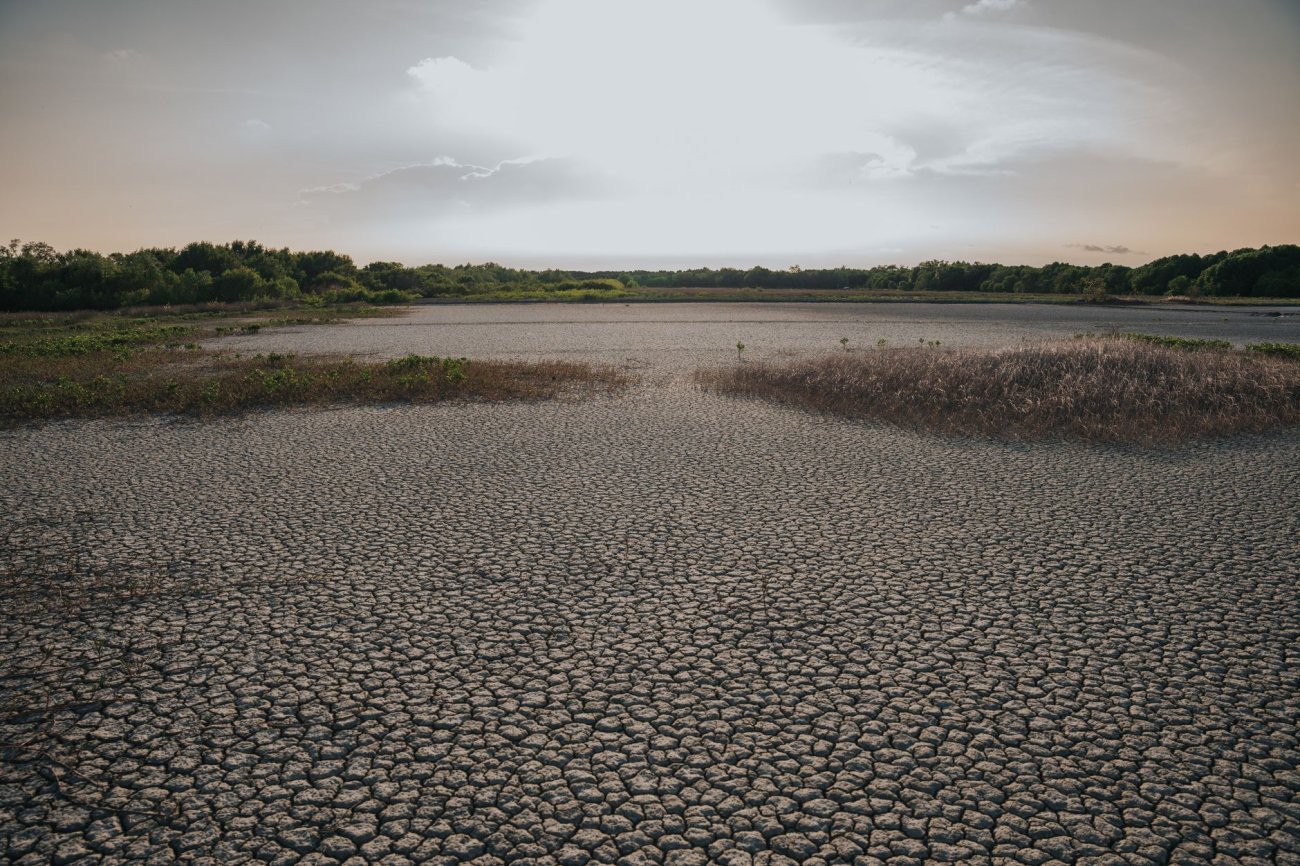
Europe continues to grapple with an unprecedented heatwave as temperatures soar to record levels, leading to at least 1,300 deaths across the continent, according to the World Health Organization (WHO). Germany recently reported a new national high of 41.7 degrees Celsius, underlining the urgent need for robust climate adaptation measures. WHO Director-General Tedros Adhanom Ghebreyesus emphasized the gravity of the situation, stating, "Europe is not prepared for high temperatures, and the recent heatwave underscores the immediate need for comprehensive climate action."
This extreme weather event has strained public health systems and exacerbated vulnerabilities across several countries. The German Meteorological Service has issued warnings about the increased risk of heat-related illnesses, while emergency services in France and Spain report significant increases in heatstroke incidents. The European Union’s Copernicus Climate Change Service highlighted that this June was the hottest on record, with the trend expected to continue throughout the summer.
As Europe wrestles with these challenges, the heatwave also serves as a stark reminder to other regions, including Africa, where climate resilience remains a critical concern. African nations, already battling the effects of climate change with limited resources, could face similar extreme temperatures that threaten agriculture, water supply, and public health. The WHO has called for global solidarity in addressing these climate impacts, urging developed nations to support vulnerable countries through funding and technology transfer.
In response to the crisis, European leaders are accelerating the implementation of the European Green Deal, aiming to make the continent climate-neutral by 2050. European Commission President Ursula von der Leyen stated, "This heatwave is a wake-up call. We must double down on our efforts to transform our energy systems and infrastructure to withstand the impacts of climate change." She also pointed to the need for immediate protective measures, such as expanding green spaces in urban areas and improving building insulation.
Further complicating the situation, the heatwave coincides with the United States preparing for its own extreme temperatures ahead of the July 4th holiday weekend. The National Oceanic and Atmospheric Administration (NOAA) predicts severe conditions across several states, potentially affecting celebrations for the nation's 250th anniversary. This simultaneous occurrence of heatwaves in both Europe and North America highlights the global nature of climate challenges and the interconnectedness of weather patterns.
As scientists continue to study the impacts of these extreme temperatures, the focus remains on how nations can better prepare for and mitigate the effects of climate change. The urgency of addressing these challenges is evident, with the WHO and other agencies advocating for immediate action to protect public health and prevent further loss of life. The current situation serves as a crucial opportunity for international cooperation and innovation in climate resilience strategies.




Comments
No comments yet — be the first.