

1,500 missing after glacial collapse in Nepal and Tibet
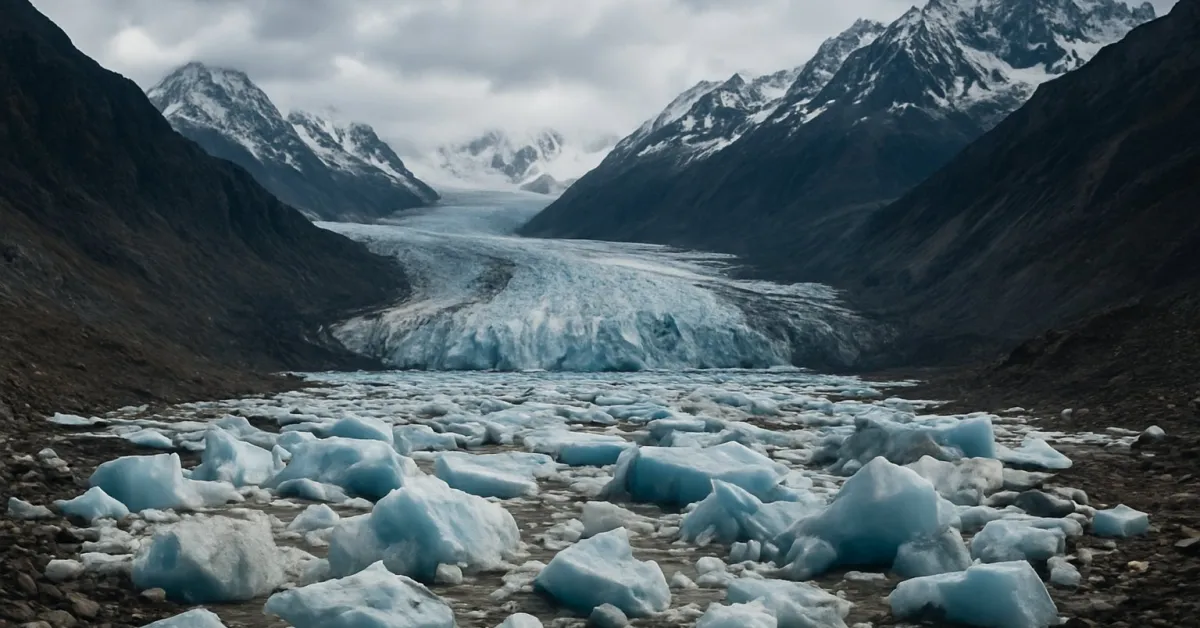
In a catastrophic event, approximately 1,500 individuals are reported missing following a significant glacial collapse in the Himalayan region straddling Nepal and Tibet. The disaster has raised serious concerns about the implications of climate change, particularly the rapid melting of glaciers in this sensitive area.
Preliminary investigations by scientists have indicated that the collapsed glacier is likely responsible for triggering devastating floods in the region. The Himalayan glaciers have been under intense scrutiny as climate change accelerates their melting, leading to increased risks of such disasters. The flooding has not only affected local communities but has also prompted fears of broader environmental impacts.
The Nepali police have confirmed that they have recovered 270 bodies, while over 800 individuals remain unaccounted for in the aftermath of the disaster. This incident highlights the vulnerability of populations living in areas prone to glacial activity and the urgent need for disaster preparedness in the face of climate-related events.
The significance of this event extends beyond the immediate region, as it underscores the global challenge posed by climate change. For the Kenyan diaspora and other communities, the situation serves as a stark reminder of the interconnectedness of environmental issues. As nations grapple with the effects of climate change, the lessons learned from this disaster may resonate in discussions about sustainable practices and climate resilience.
As rescue operations continue, the international community is watching closely. Aid organizations and governments are likely to mobilize resources to assist in relief efforts, which may include search and recovery operations, medical assistance, and support for displaced individuals. The situation remains fluid, and updates are expected as authorities work to address the crisis.
This incident has also reignited discussions about the need for global cooperation in addressing climate change. Countries around the world, including those in Africa, are facing similar challenges related to environmental degradation and extreme weather events. The Kenyan diaspora, particularly those involved in environmental advocacy, may find opportunities to engage in dialogues about sustainable development and climate action in light of these unfolding events.
The glacial collapse in Nepal and Tibet serves as a critical reminder of the urgent need for comprehensive strategies to mitigate the impacts of climate change. As communities come together to support one another in the wake of this tragedy, it is crucial for global leaders to prioritize environmental sustainability and resilience in their policies.















Add new comment