

Africa: The Drylands Dividend - the Smart Investment for Powering a Water-Scarce World
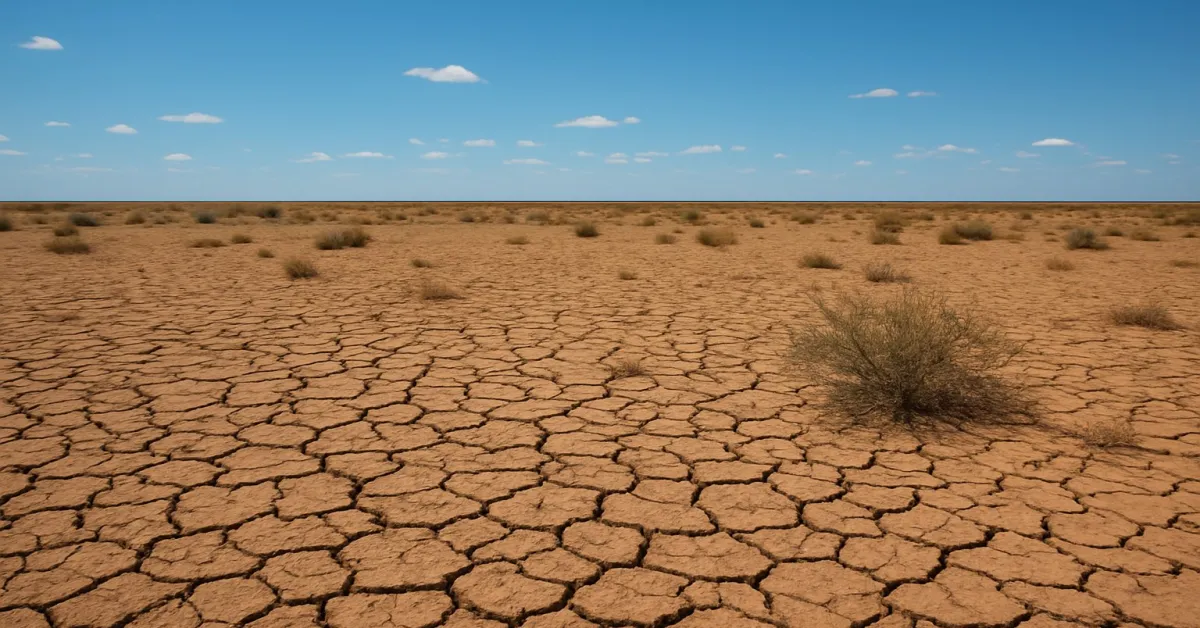
In an era marked by increasing water scarcity, the drylands of Africa are emerging as an unexpected source of economic opportunity. Across the Sahel, a region often marred by droughts and desertification, gum arabic and frankincense have become vital exports, tapping into the global demand for natural resins in the food, beverage, and fragrance industries. These dryland commodities, harvested from acacia and Boswellia trees, are proving to be crucial components in products worldwide, from fizzy drinks to luxury perfumes.
The strategic importance of these resources is underscored by the significant economic benefits they bring to the communities involved in their collection and trade. The gum arabic industry alone is valued at hundreds of millions of dollars, with Sudan and Chad as major producers. The global market for frankincense, expected to exceed $300 million by 2026, highlights the expanding demand driven by both traditional uses and the rise of natural product preferences among consumers.
"Drylands are not barren wastelands; they are home to valuable resources that can drive economic growth and provide sustainable livelihoods," stated Ibrahim Thiaw, Executive Secretary of the United Nations Convention to Combat Desertification, in a recent address. His sentiments reflect a broader recognition of the untapped potential within these arid regions, which cover more than 40% of the African continent.
The harnessing of these resources is not without challenges. The sustainable management of acacia and Boswellia trees is critical to maintaining ecological balance and ensuring continued availability. Environmentalists emphasize the importance of community-led resource management practices to prevent overharvesting and preserve biodiversity. These practices are particularly crucial as climate change exacerbates the pressures on these ecosystems.
In addition to environmental considerations, there are socio-economic aspects to address. The industry's growth has significant implications for rural development, offering income opportunities for thousands of households. However, as demand grows, so does the need for equitable benefit-sharing mechanisms to ensure that local communities receive a fair share of the profits. Regional cooperation and international support are essential to bolster these efforts, facilitating access to global markets and enhancing resilience against climate impacts.
Looking ahead, the integration of technology and innovation offers promising prospects for the drylands economy. Satellite imagery and data analytics can improve resource management, while investment in processing facilities within Africa could increase value-added production, maximizing economic returns for local communities. The "drylands dividend" therefore not only represents an economic boon but also a potential pathway towards achieving several Sustainable Development Goals, including poverty reduction and sustainable economic growth.
As global awareness of the drylands' potential grows, so too does the responsibility to manage these resources wisely. "We must balance immediate economic gains with long-term sustainability," noted Thiaw, emphasizing the need for an integrated approach that considers environmental, social, and economic dimensions. The development of Africa's drylands, when managed responsibly, could indeed become a model for leveraging natural resources sustainably in a water-scarce world.
















Add new comment