

Ethekon: No Part of Kenya Should Assume It Is Safe From Election Violence
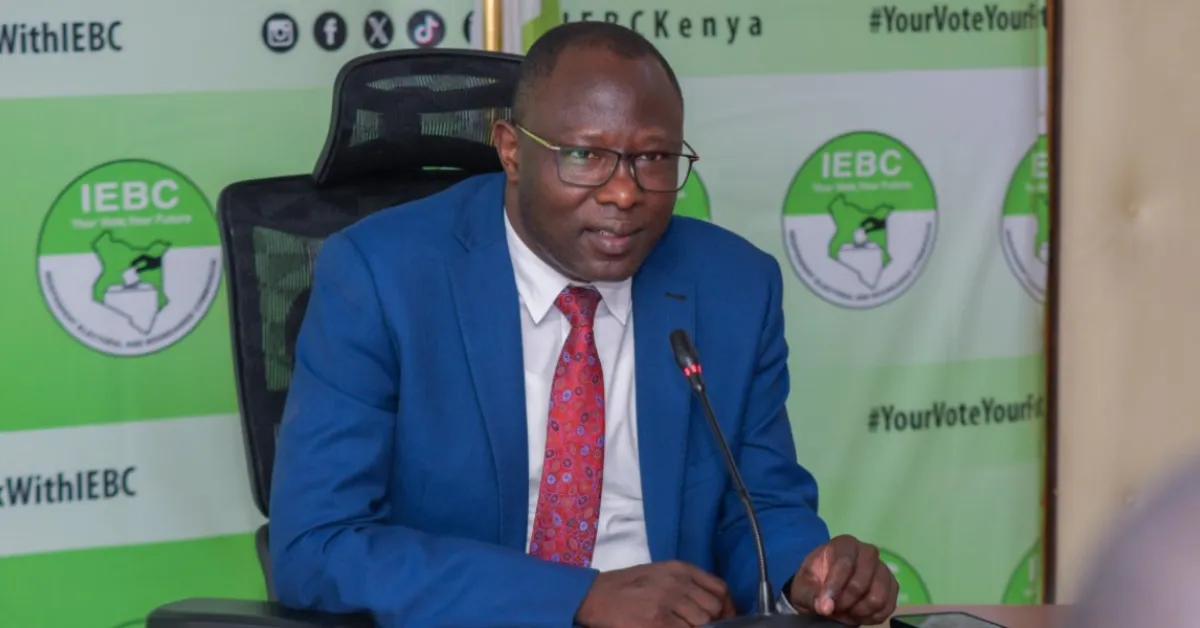
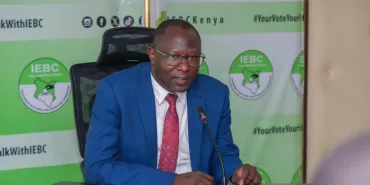
IEBC chairman Erastus Ethekon has warned Kenyans and institutions against complacency as the country enters the 2027 General Election period, citing the violence that followed the disputed 2007 presidential election.
Speaking at a National Election Security Roundtable in Nairobi, Ethekon said the 2007/08 post-election crisis showed how quickly political disputes could escalate into violence. He recalled that Kenya had previously been regarded as a stable country in a volatile region before the crisis exposed weaknesses in national cohesion and electoral security.
Ethekon said his involvement in peace-building efforts during the period had shown him the importance of community-based mechanisms for preventing conflict. He highlighted peace committees, which were first established in areas such as Wajir, for their role in helping to stabilise communities during the crisis.
He said the events of 2007/08 demonstrated that no part of the country could be assumed to be safe from conflict. Areas previously considered unlikely to experience violence were also affected, underscoring the need for early preparation and continued vigilance.
The chairman noted that the gazettement of the electoral cycle on 19 August marked the legal start of the election period. The IEBC has since published a roadmap setting out fixed timelines for preparations ahead of the 2027 elections, although the candidates who will contest the polls have not yet been determined.
Ethekon said early planning would be critical to creating a secure environment in which citizens could exercise their democratic rights freely. He also stressed that the responsibility for credible elections extends beyond the IEBC to state agencies, civil society organisations and the media.
He urged journalists to avoid spreading misinformation, recalling the role of inflammatory reporting during the 2007/08 crisis. He said responsible reporting would be important in preventing misinformation from worsening political tensions.
















Add new comment