
As the UK sanctions Israeli settlements, is the two-state solution dead?
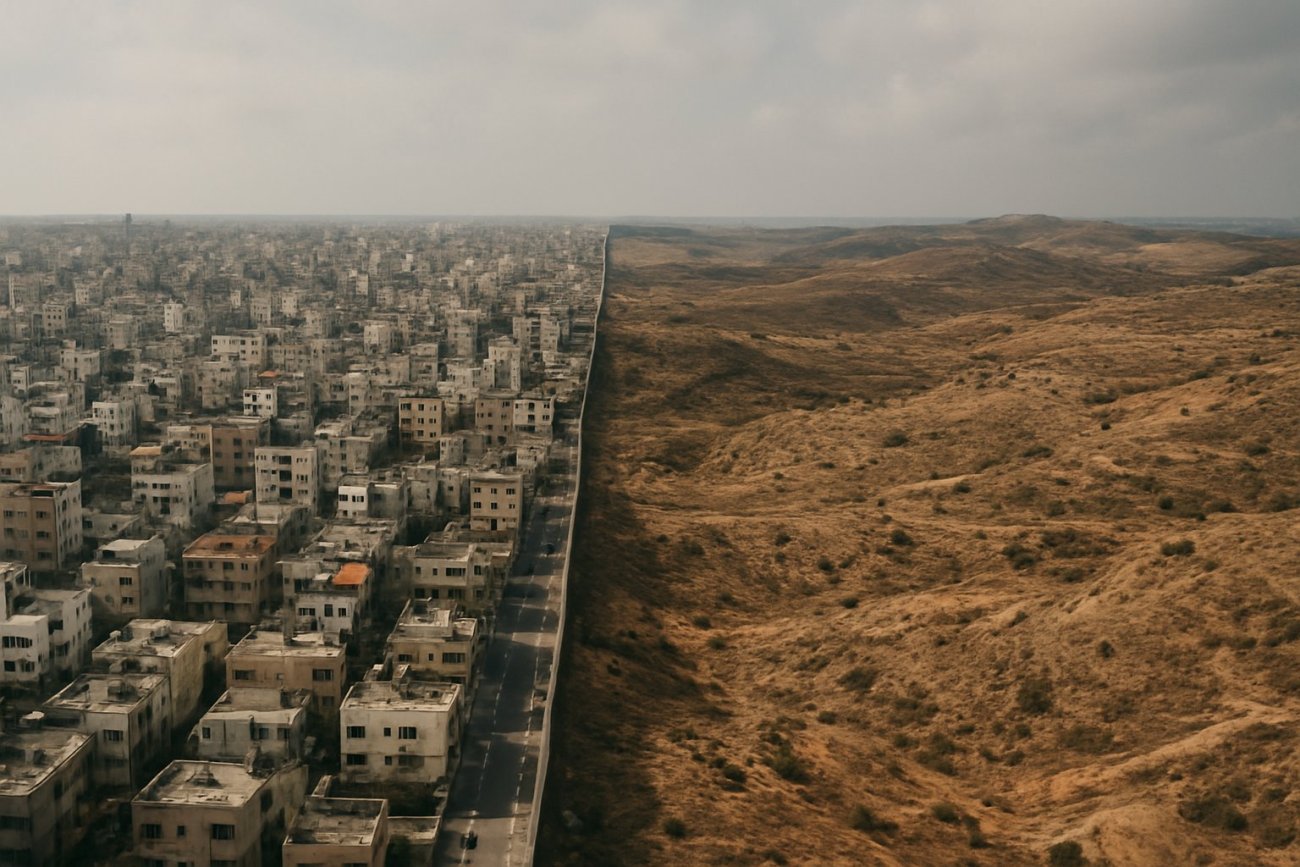
The recent decision by the United Kingdom to impose sanctions on Israeli settlements has sparked significant debate among international observers regarding the viability of a two-state solution for the Israeli-Palestinian conflict. The British government's move, which targets entities involved in the construction and expansion of settlements in the occupied Palestinian territories, marks a significant policy stance aimed at addressing longstanding disputes in the region.
British Prime Minister Keir Starmer's administration has faced scrutiny both domestically and internationally for this decision, with analysts expressing varying views on its potential impact. The sanctions are seen as an attempt to exert pressure on Israel to halt settlement activities, which are deemed illegal under international law and considered a major obstacle to peace efforts. However, some experts argue that this diplomatic gesture may be insufficient to catalyze meaningful progress towards achieving Palestinian statehood.
The imposition of sanctions aligns the UK with several other European nations that have adopted similar measures. Nonetheless, analysts caution that without broader international consensus and coordinated action, the sanctions alone may not significantly alter the current trajectory. The Israeli government has consistently maintained that settlement expansion is a matter of security and national interest, complicating efforts to find common ground.
The implications of the UK's decision extend beyond the Middle East, as it could influence diplomatic relations with both Israel and Palestine. For developing nations and African countries observing the situation, the UK's stance might serve as a reference point in their foreign policy considerations regarding the conflict. The decision also underscores the challenges faced by international actors attempting to mediate in deeply entrenched geopolitical disputes.
Observers note that the UK's sanctions could lead to economic ramifications for entities involved in settlement activities, potentially hindering their operations and affecting the local economies connected to these projects. However, the extent of these impacts remains to be seen, and much will depend on the response from other major global powers, including the United States, which has traditionally played a central role in Middle East peace negotiations.
The broader question posed by the UK's decision is whether the two-state solution, once widely endorsed as the pathway to peace, is still a feasible goal. The persistent expansion of settlements, coupled with political divisions on both sides, presents formidable barriers to the realization of a two-state framework. As the international community grapples with these complexities, the UK's sanctions serve as a reminder of the ongoing challenges in resolving one of the world's most protracted conflicts.





Comments
No comments yet — be the first.