
'Sh20,000 a month? Not worth our girls' dignity!' Former FGM Cutters Embrace Alternative Livelihoods in Narok
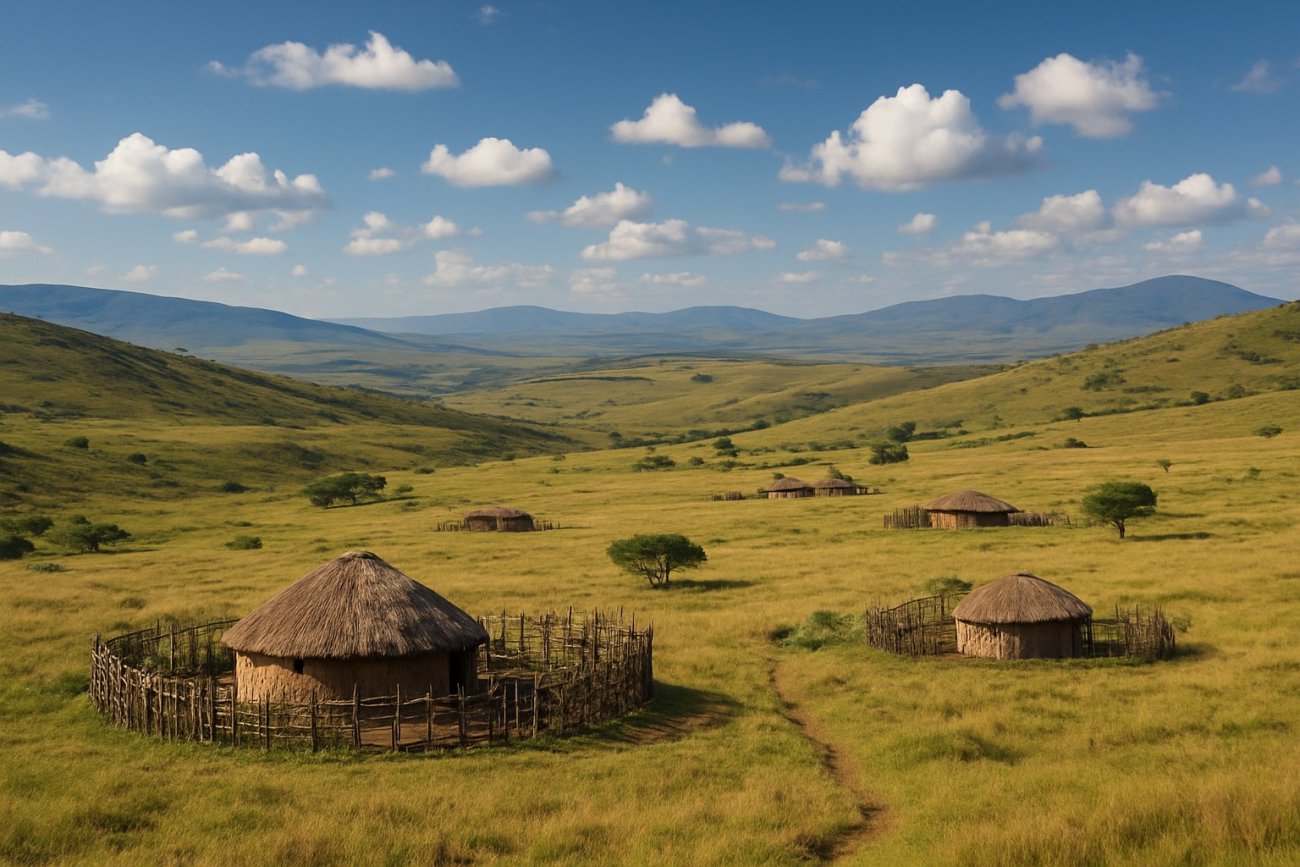
In Narok County, Kenya, a significant shift is occurring as former female genital mutilation (FGM) cutters abandon their traditional practices in favor of alternative livelihoods. This change comes in response to the realization that the financial incentives associated with FGM, which some have valued at Sh20,000 a month, do not justify the impact on the dignity and well-being of girls.
The movement against FGM has been gaining momentum, with increased awareness of the harmful effects of the practice on women's health and rights. Activists and organizations dedicated to eradicating FGM are working tirelessly to educate communities about the dangers associated with this practice, emphasizing the importance of protecting young girls.
As part of this transformative journey, former cutters are finding empowerment and purpose in new roles. They are learning skills that allow them to contribute positively to their communities while also earning a sustainable income. These alternative livelihoods not only provide financial stability but also foster a sense of pride and dignity that comes from supporting the health and future of young girls.
The shift in Narok reflects broader efforts across the country to combat FGM and promote gender equality. By offering former cutters viable alternatives, communities are beginning to dismantle the cultural norms that have perpetuated this harmful practice for generations. The impact of these changes is profound, as girls who would have otherwise faced FGM are now being given the opportunity to grow up free from the associated trauma.
As the narrative continues to evolve, the stories of former cutters who have embraced this change are becoming more prominent. They serve as powerful examples of resilience, demonstrating that it is possible to break free from harmful traditions and contribute to a brighter future for the next generation.




Comments
No comments yet — be the first.