

Kenya Faces Milk Shortage as Drought Cuts Dairy Production

Milk shortages are worsening across Kenya, with retail prices doubling in some parts of the country within a week. The South Rift counties of Bomet, Narok and Kericho have been particularly affected, disrupting supplies to households, schools, hospitals and businesses.
In shops and supermarkets, a 500ml packet of processed milk now sells for about Sh100, up from Sh50–55. A 250ml carton costs Sh50–60, compared with the usual Sh25–30. In Bomet town, a litre of raw milk is selling for about Sh100, nearly twice its previous price.
Farmers and traders say demand is far exceeding supply. Hotels, schools and hospitals have struggled to secure regular deliveries, while some supermarkets have run out of milk.
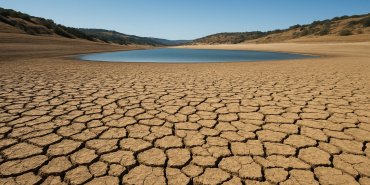
Prolonged drought is a major factor behind the shortage. Pastures have dried up, water sources have declined and farmers are struggling to maintain their herds. The rising cost of commercial feed has added to the pressure, forcing some small-scale farmers to reduce production.
“Local streams and water sources have dried up, there is a sharp decline in water volumes in rivers and pasture has been depleted both in stores and fields,” said Beatrice Kering, a farmer in Narok County.
The cost of fodder has also risen sharply. A bale of Boma Rhodes grass, widely used as animal feed, now costs between Sh280 and Sh300, further increasing production costs for farmers.
The effects are also being felt by dairy cooperatives, which collect milk from farmers and supply processors. Some cooperatives have reported declines of up to 50 per cent in milk deliveries.
Some farmers are also bypassing cooperatives and selling directly to vendors or through informal markets, where they can often receive better prices. Livestock Development Principal Secretary Jonathan Mueke has acknowledged that low payments to farmers are discouraging production.
Mueke said cooperatives receiving higher prices from processors should increase payments to farmers to encourage them to maintain or expand production. He warned that some farmers were considering leaving dairy farming because of poor returns.
County governments have introduced measures intended to support farmers, including subsidised artificial insemination and veterinary services. In Bomet, officials have also encouraged rainwater harvesting and the preservation of pasture to help farmers maintain production during dry periods.
However, the severity of the current drought has reduced the impact of these measures. Land fragmentation in parts of the South Rift has also reduced the amount of land available for pasture, leaving farmers with less capacity to withstand prolonged dry conditions.
Consumers are also facing increasing difficulties in finding milk. Some households have reportedly made advance payments at milk-cooling plants to secure supplies. In areas where supermarkets have run out of processed milk, consumers have turned to informal vendors and alternative products.
The shortage has exposed the dairy sector's vulnerability to drought, rising production costs and weaknesses in the supply chain. Low payments to farmers, challenges within cooperatives and inadequate fodder supplies continue to affect production.
The onset of the rainy season could improve pasture and water availability and provide some relief to farmers. However, longer-term measures to strengthen fodder production, improve farmer payments and address weaknesses in the cooperative system will be needed to reduce the risk of repeated shortages and sharp price increases.




















Add new comment