
Kenya Warns of Cholera, Typhoid and Aflatoxin Risks Ahead of El Niño Rains
Kenya’s public health authorities have warned that the expected El Niño rains could increase cases of food- and water-borne diseases, including cholera, typhoid and aflatoxin poisoning.
The State Department for Public Health and Professional Standards, in an advisory issued on Monday, urged households and food vendors to take precautions before the rains intensify. Flooding could contaminate drinking water as floodwaters mix with sewage and enter shallow wells, boreholes and piped water systems.
Authorities have advised households to keep chlorine tablets, use secure water storage containers and maintain separate vessels for drinking water. The rains could also increase the risk of aflatoxin poisoning. High humidity can encourage mould growth on crops such as maize and groundnuts, as well as animal feeds.
Households have been advised to dry grains thoroughly, store them off the ground and keep them in airtight containers to reduce the risk of contamination. The warning comes as Kenya continues to deal with the effects of aflatoxin contamination, which has previously resulted in food recalls and health concerns.
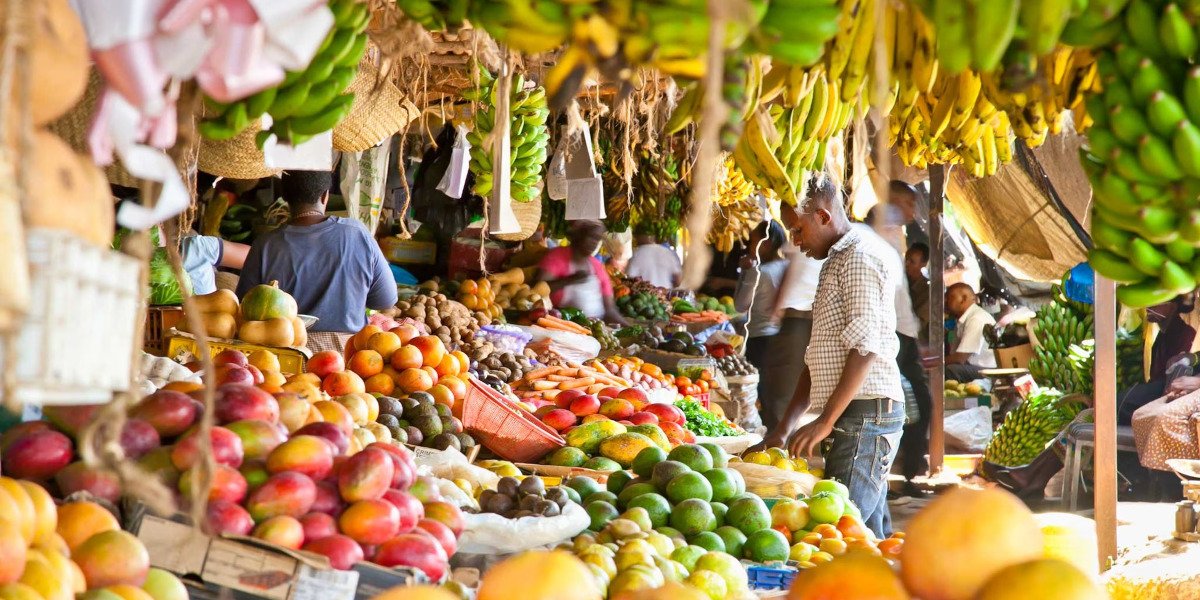
Food safety in urban areas could also be affected by power outages during storms. Interruptions to refrigeration may cause milk, meat and leftovers to become unsafe for consumption. Families have been advised to keep airtight containers and hygiene supplies available, while food vendors should raise produce above floodwater, maintain drainage around stalls and cover food properly to protect it from contaminated water and flies.
County governments are expected to increase food safety inspections, while food handlers have been advised to ensure their medical certificates remain valid.
At community level, Nyumba Kumi teams and Community Health Promoters have been tasked with organising drainage clean-ups and public awareness campaigns. Residents have also been urged to boil drinking water to reduce the risk of contamination.
Major markets that are prone to flooding have been identified as potential areas for disease transmission if preventive measures are not implemented. The government has begun mapping flood-prone areas and clearing drainage systems as part of preparations for the rains. The public health advisory highlights the need for households, food businesses and communities to strengthen sanitation, water safety and food handling measures during the rainy season.





Comments
No comments yet — be the first.