


KWS Restricts Visitor Access to Hell’s Gate Gorge as El Niño Rains Raise Flood Alarms

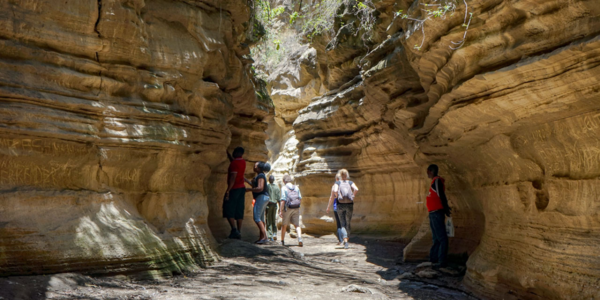
The Kenya Wildlife Service (KWS) has closed the Hell’s Gate Gorge in Naivasha for the duration of the El Niño rainy season, citing the deadly threat of flash floods that can strike even under clear skies.
Announced on Monday, November 9, the restriction bars tourists and visitors from accessing the popular Ol Njorowa Gorge. The Kenya Meteorological Service Authority (KMSA) predicts that heavy El Niño rainfall will continue across the country into early next year.
KWS explained that the gorge presents a unique hazard because dangerous torrents often originate miles away. Heavy downpours in surrounding highland areas, including Mount Longonot, Mai Mahiu, Nairobi, Kedong, and Suswa, send massive volumes of water rushing down natural drainage channels.
Within minutes, water levels in the gorge’s narrow passages and steep rock walls can rise to fatal heights, leaving visitors with little room to escape.
“Sometimes it does not rain in Hells Gate National Park, but it has rained upstream, which drains water to the gorge,” KWS said. “So, we always make sure that if it is raining, we take the necessary precautions to prevent loss of life.”
KWS Director General Erustus Kanga noted that the precautionary measure is designed to prevent further disasters following previous fatalities at the site. In September 2019, sudden flash floods swept away a group of 13 visitors exploring the gorge, leaving seven dead.
The victims of the 2019 disaster included five Kenyan tourists, a local tour guide, and one foreign visitor, with rescue teams later recovering bodies downstream. An earlier tragedy occurred in 2012 when seven young people from the PCEA Mukarara Church in Dagoretti died during a church excursion inside the gorge.
KWS has instructed visitors to respect the closure and stay away throughout the rainy season, regardless of how safe or dry conditions appear inside the national park.



Comments
No comments yet — be the first.