
What Every Green Card Holder Needs to Know Before Leaving the US
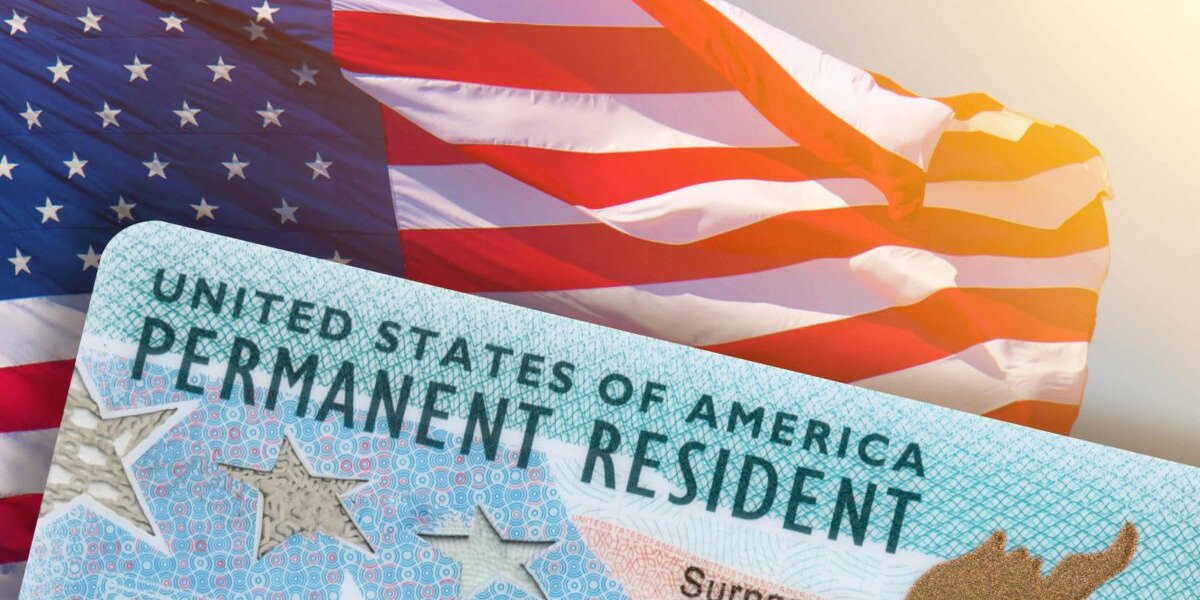
Lawful permanent residents are facing increased scrutiny at the United States borders, with some denied re-entry after extended periods abroad.
Green card holders have reported growing difficulties when returning to the United States, particularly following longer stays overseas. Under policies associated with President Donald Trump’s administration, immigration authorities have applied stricter checks, including assessing whether individuals have effectively given up their US residence.
Although permanent residents have the legal right to live and work in the United States, this right is subject to conditions. Immigration rules govern re-entry, especially for those who remain outside the country for extended periods. An absence of one year or more without a re-entry permit can make a green card invalid for admission. Shorter absences may also raise concerns about whether the individual has maintained sufficient ties to the country.
A central issue is the concept of “abandonment of residence”. If a permanent resident appears to have settled abroad or cannot show ongoing connections to the United States, border officials may determine that their status has been forfeited. In such cases, individuals may be referred to immigration court, where a judge will decide whether residency has been abandoned.
Immigration specialists advise obtaining a re-entry permit before travelling for long periods. This is done by filing Form I-131. The permit allows permanent residents to remain outside the United States for up to two years without losing their status. Applicants must be physically present in the country when submitting the form, although they may later collect the permit from a consulate or embassy after completing biometric requirements.
For absences of less than one year, a green card is usually sufficient for re-entry. However, frequent or repeated travel abroad can still create complications, even if each trip falls within permitted limits. Such travel patterns may lead officials to question whether the United States remains the person’s primary residence. This can affect both re-entry decisions and future citizenship applications.
The issue also affects naturalisation. Applicants must show five years of continuous residence in the United States. Absences longer than six months may interrupt this requirement unless the individual can provide evidence of strong ties to the country. Regular or extended travel abroad can make this more difficult to prove.






Comments
No comments yet — be the first.