
How H-1B Workers Can Remain in the US After Losing Their Jobs
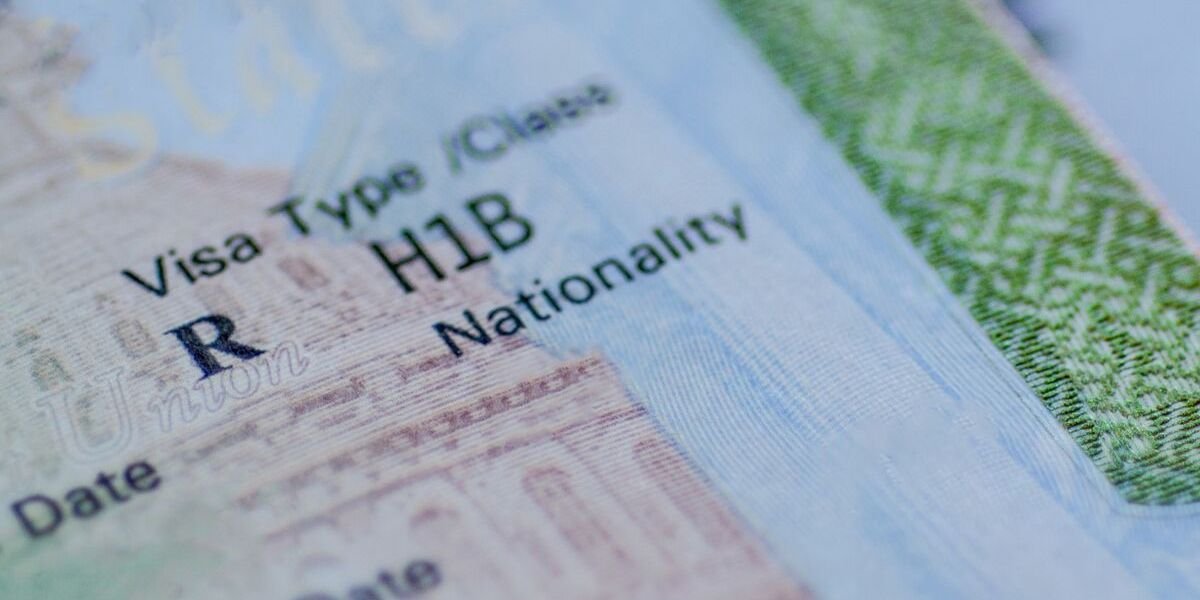
US tech layoffs are leaving foreign workers on temporary visas with limited time to secure new employment or change their immigration status.
Job cuts across the US technology sector are affecting thousands of employees, but foreign nationals on visas such as the H-1B face additional constraints. Unlike US citizens, they must comply with strict immigration timelines that can determine whether they remain in the country.
A central requirement is the 60-day grace period. When employment ends, most non-immigrant workers, including those on H-1B, E-1, E-2, E-3, H-1B1, L-1, O-1 and TN visas, as well as their dependents, are generally allowed up to 60 days to take action. They are not required to leave immediately, but must use this period to secure a new visa arrangement or change their status.
One option is to obtain a new job under the same visa category. For H-1B workers, a new employer can file a petition with the US Citizenship and Immigration Services. Once the petition is submitted, the individual may usually begin working before it is formally approved. If a worker changes visa category, they must typically wait for approval before starting work, although premium processing can reduce decision times to under three weeks.
Other routes may be available for those who do not immediately secure sponsorship. Some workers switch to H-4 dependent status if their spouse holds an H-1B visa, although work authorisation under this category requires a separate application. Others apply for B-1 or B-2 visitor status, which allows them to remain in the US while continuing their job search. In addition, Form I-539 can be used to request an extension or change of non-immigrant status.
If no application or petition is filed within the 60-day window, the individual and any dependents must leave the United States or risk accumulating unlawful presence. Filing a non-frivolous application before the deadline pauses the accrual of unlawful presence while it is pending. If the application is approved, the person is treated as having maintained lawful status; if it is denied, unlawful presence begins immediately after the decision.
Different rules apply to students on F-1 visas. Those undertaking post-completion Optional Practical Training are allowed up to 90 days of unemployment, while STEM extension participants are permitted a total of 150 days of unemployment across the entire OPT period.
The standard six-year limit on H-1B visas is not always fixed. Workers with approved green card petitions under categories such as EB-1, EB-2 or EB-3 may qualify for extensions beyond this period. In addition, the American Competitiveness in the Twenty-First Century Act allows certain applicants to extend their stay and change employers while permanent residency applications are still in progress.




Comments
No comments yet — be the first.